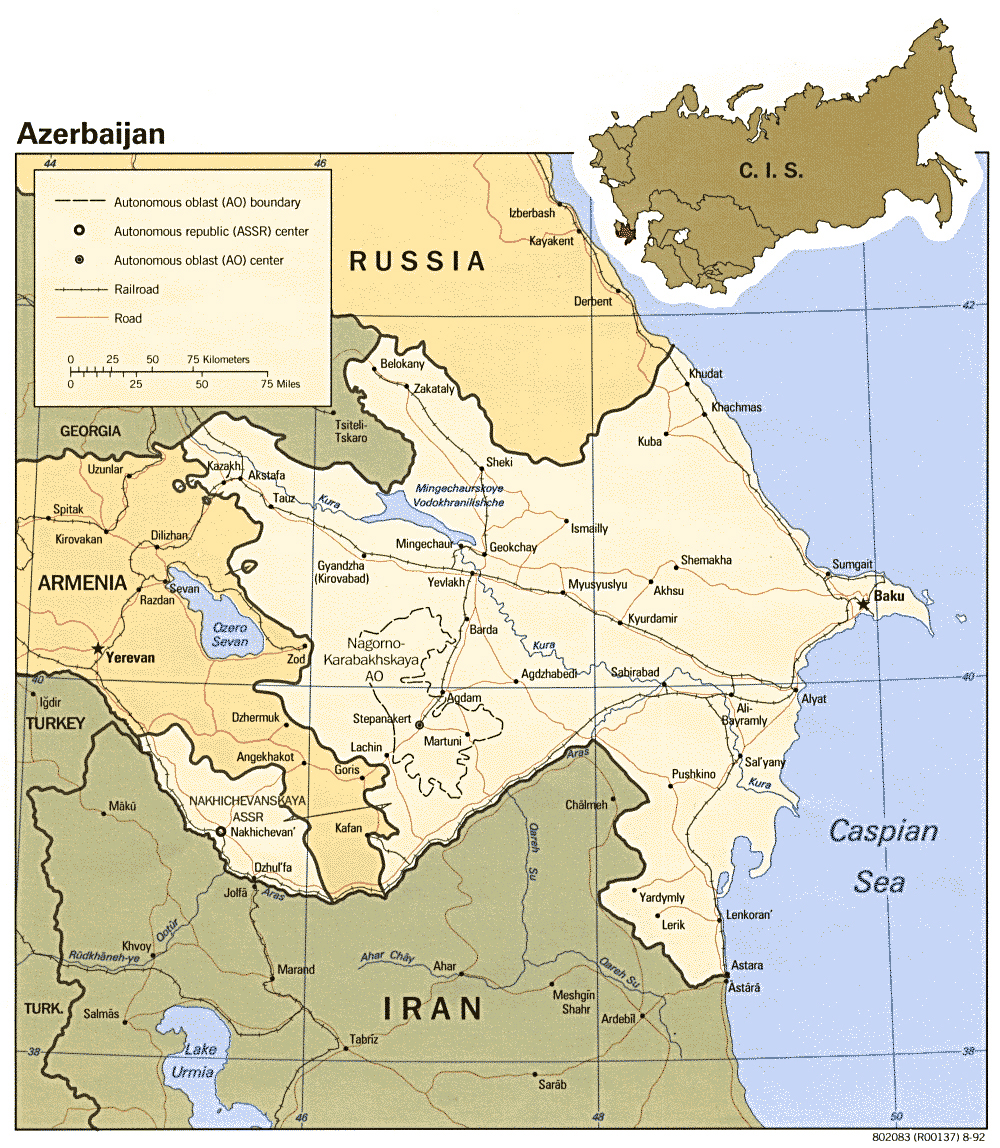
Dressing for Azerbaijan means balancing nine distinct climatic zones with centuries of textile tradition. When you pack for Baku's Caspian winds or the Greater Caucasus mountains, your wardrobe needs to bridge scorching summers, freezing winters, and deep-rooted cultural expectations regarding modesty and heritage.
The primary challenge isn't just checking the weather forecast. It's understanding how conservative rural codes contrast with Baku's cosmopolitan fashion scene, and how functional layering keeps you comfortable as you move from sea-level plains to high-altitude peaks.
Decoding Azerbaijan's Microclimates and Wardrobe Needs
Azerbaijan features a remarkably diverse geography that dictates what you actually need in your suitcase. You can't rely on a single wardrobe strategy for the entire country.
Along the Caspian Sea coast—including Baku—summers soar past 35°C (95°F) with high humidity, while winters bring biting, damp winds known locally as the khazri. Inland regions like Ganja experience intense continental temperature swings, and the mountainous northern territories require serious winter gear for sub-zero alpine conditions.
- Coastal Lowlands (Baku & Absheron): Pack lightweight, breathable fabrics like linen and cotton for summer. Bring a windproof jacket or sturdy trench coat for autumn and spring coastal gusts.
- Mountainous Regions (Shahdag & Guba): Winters demand thermal base layers, heavy wool coats, and insulated, waterproof boots. Even summer evenings in the mountains drop sharply, requiring fleece or wool layers.
- Semi-Desert Zones (Gobustan): Dust, sun exposure, and dry heat dominate. Prioritize sun-protective shirts, durable walking shoes, and a wide-brimmed hat.
Cultural Norms and Dress Codes: City vs. Countryside
While Azerbaijan is a secular nation with a modern urban population, traditional values still shape everyday social etiquette. Ignoring local customs can make you stand out or feel uncomfortable, especially outside the capital.
In downtown Baku, you'll see young professionals wearing contemporary European styles, tailored blazers, and trendy streetwear. However, modesty remains important. When visiting mosques, rural villages, or historical sites, both men and women should cover their shoulders and knees. Women will need a lightweight scarf or head covering to enter functioning religious sites like the Bibi-Heybat Mosque or Sheki Khan's Palace.
- Men's Norms: Shorts are rarely worn by adult local men outside of beach resorts. Opt for lightweight chinos or linen trousers for warm weather.
- Women's Norms: Maxi dresses, midi skirts, and trousers work best. Packing a versatile scarf is essential for spontaneous mosque visits or breezy evenings.
- Footwear Etiquette: You'll frequently remove your shoes when entering homes, traditional teahouses (chaykhana), and sacred spaces. Slip-on shoes save you time and hassle.
Seasonal Packing Strategies
To pack efficiently without overpacking, build your wardrobe around versatile modular layers.
Summer Packing List
Skip synthetic fabrics that trap heat and sweat. Choose loose-fitting cotton tunics, breathable linen trousers, and comfortable walking sandals or breathable trainers. Bring one light cardigan or denim jacket for air-conditioned indoor spaces and breezy nights on the Caspian Boulevard.
Spring and Autumn Packing List
Spring and autumn bring unpredictable rain showers and shifting temperatures. Layering is your best tool here. Combine a moisture-wicking t-shirt with a flannel or light wool overshirt, topped with a water-resistant shell. Jeans or durable canvas trousers handle city walking and rural day trips alike.
Winter Packing List
Winter in Azerbaijan is genuinely cold. A heavy wool or down-filled overcoat, thermal leggings, wool socks, and waterproof boots with solid traction are non-negotiable. Don't forget leather gloves and a lined beanie to protect against the fierce Baku winter winds.
Sustainable Fashion and Local Artisanal Heritage
Azerbaijan boasts a rich textile history, from the world-renowned carpet-weaving traditions of Guba and Karabakh to intricate silk-weaving in Sheki. Modern Azerbaijani designers increasingly blend these heritage motifs with contemporary cuts, creating a thriving sustainable fashion movement.
When shopping for souvenirs or updating your travel wardrobe locally, look for authentic handmade kelaghayi—traditional silk headscarves recognized by UNESCO. Supporting local artisans who use natural dyes and organic wool keeps regional craft alive while offering durable, high-quality garments suited to the local environment. For official heritage insights, explore the UNESCO Intangible Cultural Heritage registry detailing Azerbaijani craftsmanship.
Common Packing Mistakes to Avoid
Travelers often miscalculate the intensity of local conditions or overlook cultural nuances. Avoid these frequent missteps:
- Underestimating the Wind: Baku's nickname is the "City of Winds." Umbrellas often break instantly in coastal gales; always pack a hooded windbreaker instead.
- Ignoring Footwear Quality: Historic cobblestone streets in Baku's Old City (Icherisheher) and rugged mountain trails will destroy thin-soled fashion sneakers. Bring supportive, broken-in walking shoes.
- Overpacking Heavy Winter Gear for Baku: While mountain towns freeze, coastal cities are milder. Balance heavy coats with clever layering rather than bringing multiple bulky parkas.
- Disregarding Religious Spaces: Forgetting to pack a shoulder-covering layer or a headscarf forces you to rent or buy suboptimal covers on-site.
Frequently Asked Questions
Do women have to wear a headscarf all the time in Azerbaijan?
No. Headscarves are only required when entering active mosques or specific religious shrines. On the streets of Baku and major cities, women dress in standard contemporary European fashion without head coverings.
Are shorts acceptable attire in Azerbaijan?
Foreign tourists wearing shorts in hot weather won't face outright hostility, but local adult men rarely wear them away from the beach. Opt for lightweight trousers or chinos to blend in respectfully and protect against strong sun.
What is the best currency and payment method for shopping for clothes locally?
The Azerbaijani Manat (AZN) is the official currency. While major shopping malls in Baku accept international credit cards, keep cash on hand for traditional bazaars, rural craft shops, and local teahouses.
Can I buy traditional Azerbaijani clothing easily?
Yes, specialty boutiques in Baku and artisanal workshops in Sheki and Guba sell authentic handmade textiles, carpets, and modern reinterpretations of traditional garments like the chapan robe.



