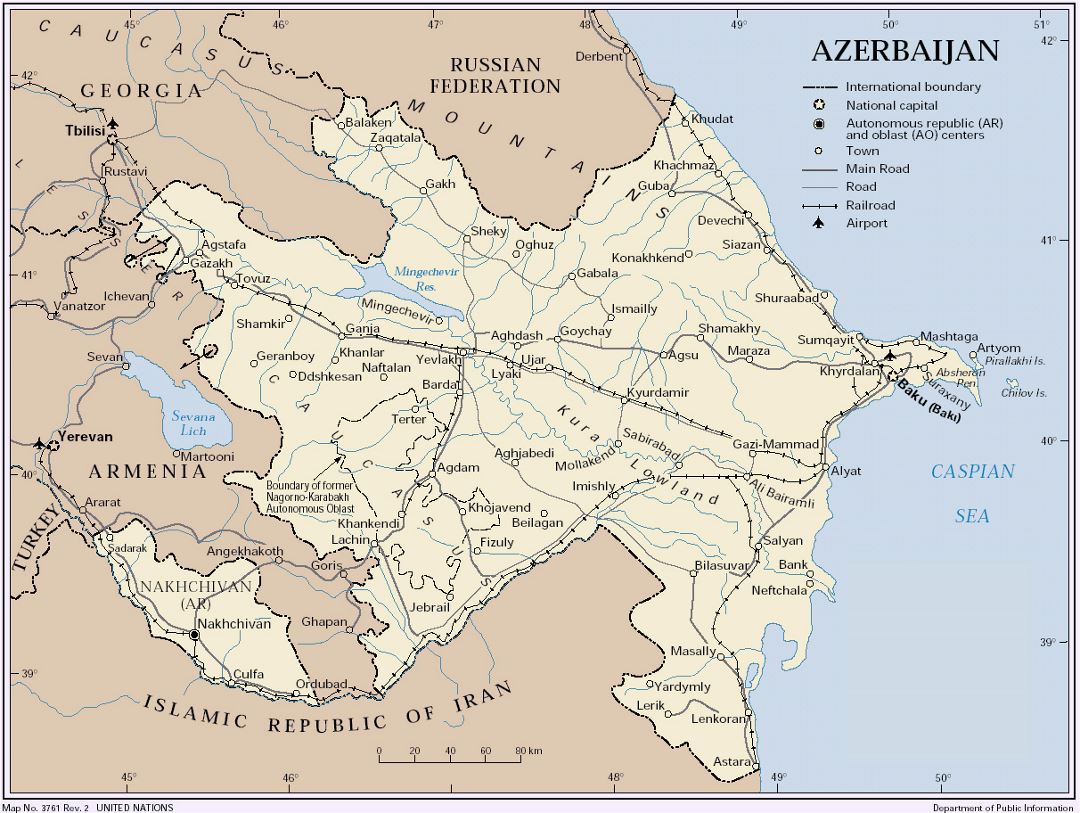
The diplomatic friction between Baku and Paris extends far beyond ordinary bilateral disagreements, cutting deep into energy security, South Caucasus power balances, and post-colonial disputes. While economic ties and European energy diversification remain crucial, political clashes over the Armenia-Azerbaijan conflict and French overseas territories have pushed relations to a volatile crossroads. Understanding this rift requires looking past surface-level rhetoric to examine how energy dependencies and shifting regional alliances collide.
At the core of this diplomatic friction are competing strategic priorities. France, acting within the framework of European Union policy, balances human rights concerns and traditional support for Armenia with the continent's heavy reliance on Caspian gas. Meanwhile, Azerbaijan pursues an independent foreign policy, forcefully rejecting perceived European interference in its internal affairs and regional security operations. This tension creates a complex dynamic where economic pragmatism constantly battles ideological and geopolitical posturing.
The Energy Anchor: Balancing Pipelines and Pragmatism
Energy remains the primary anchor tying Paris and Baku together, even as political storms brew. European markets need stable hydrocarbon inflows, and Azerbaijani fields play an essential role in supplying southern Europe through the Southern Gas Corridor. French energy conglomerates have historical footprints in the Caspian basin, participating in major exploration and infrastructure ventures.
Yet, this energy relationship is increasingly vulnerable to political shocks. When diplomatic ties sour, corporate risk assessments shift. European utilities demand long-term supply predictability, but recurrent spats between the Élysée Palace and the administration in Baku inject uncertainty into investment pipelines. Energy security is no longer just about extraction and transport routes; it requires navigating regulatory friction and hostile diplomatic exchanges that can jeopardize joint corporate ventures.
Clash of Spheres: Armenia, Regional Security, and Overseas Territories
Diplomatic relations deteriorated sharply following the Second Nagorno-Karabakh War and subsequent military shifts in the South Caucasus. Paris positioned itself as a vocal supporter of Yerevan, supplying defensive military hardware and criticizing Azerbaijani military actions. Baku viewed this stance as heavily biased, accusing France of destabilizing the Caucasus by encouraging Armenian intransigence.
The geopolitical chessboard expanded dramatically outside the Caucasus when mutual accusations flared over overseas territories. French officials blamed Baku for stoking unrest and amplifying anti-colonial sentiment during deadly riots in New Caledonia. Azerbaijani authorities dismissed these claims as groundless distractions, pointing instead to French domestic policies. These proxy-style disputes transformed a regional European-Caucasian disagreement into a global struggle over sovereignty, information warfare, and historical grievances.
Diplomatic Resets and the Limits of Engagement
Despite intense hostility, complete severance of ties remains unlikely due to shared institutional memberships and economic necessities. Sporadic diplomatic reengagement efforts highlight that both capitals recognize the cost of total estrangement. Channels of communication reopen periodically, driven by the practical need to manage consular affairs, trade agreements, and multilateral forums.
However, these reconciliations are fragile. Trust deficits run deep, and domestic political pressures in both countries discourage leaders from appearing weak. France faces domestic scrutiny over its foreign policy coherence, while Azerbaijan leverages its strategic energy value to resist Western pressure. Consequently, bilateral engagement operates in cycles of temporary thaw followed by sharp ideological clashes.
Frequently Asked Questions
Why are Azerbaijan and France experiencing diplomatic tensions?
Tensions stem from differing positions on the Armenia-Azerbaijan conflict, French criticisms of Baku's domestic governance, and mutual accusations of foreign interference—particularly concerning French overseas territories like New Caledonia.
How does energy trade impact France-Azerbaijan relations?
Energy forms the core economic bridge between the two nations. Azerbaijani natural gas helps supply European markets, and French firms maintain commercial interests in Caspian energy infrastructure, creating a pragmatic incentive to keep diplomatic channels open despite political hostility.
What role does Armenia play in this bilateral rift?
France has historically maintained strong cultural and political ties with Armenia, offering diplomatic backing and defense equipment. Baku views this support as partisan intervention that disrupts regional stability in the South Caucasus.
Can diplomatic ties recover fully in the near future?
Complete normalization is difficult while fundamental disagreements over regional security, human rights, and sovereignty persist. While pragmatic trade and energy links prevent total isolation, deep-seated distrust ensures relations will remain volatile.



