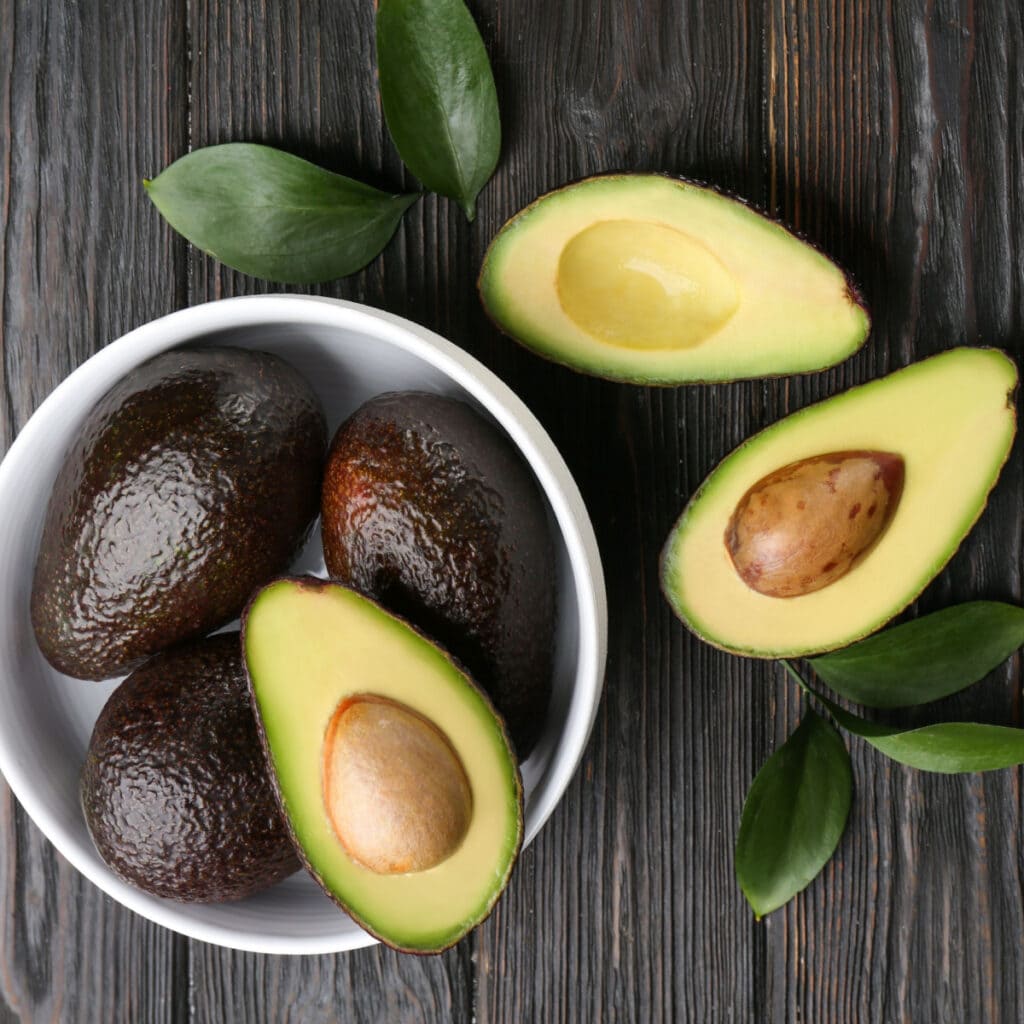
Eating an avocado shouldn't leave you doubled over in pain, yet a growing number of people experience severe cramping, bloating, or nausea after enjoying guacamole or avocado toast. While these green fruits are celebrated for their heart-healthy fats and rich nutrients, they harbor specific chemical compounds that can trigger distress in sensitive digestive systems. Understanding why your body reacts poorly to avocado helps you pinpoint the root cause—ranging from high fat content to sugar alcohols and cross-reactivity—so you can find lasting relief.
Why Avocados Trigger Stomach Pain
The human digestive tract processes foods differently depending on enzyme availability, gut microbiome composition, and underlying sensitivities. When avocado causes discomfort, the reaction usually stems from one of a few biological factors.
High Monounsaturated Fat Content
Avocados are packed with healthy fats, primarily oleic acid. While these monounsaturated fats benefit cardiovascular health, they take significantly longer to break down than carbohydrates or proteins. Consuming a large amount of fat at once slows down gastric emptying. If you eat a whole avocado in one sitting, your stomach works overtime to process the heavy load, leading to a sluggish feeling, fullness, or upper abdominal cramping.
FODMAPs and Polyol Sensitivity
Avocados contain sorbitol, a type of sugar alcohol belonging to the FODMAP family. For individuals with irritable bowel syndrome (IBS) or generalized FODMAP sensitivity, sorbitol is poorly absorbed in the small intestine. It travels to the large intestine, where gut bacteria ferment it, producing excess gas, bloating, and osmotic fluid shifts that cause diarrhea or sharp cramps. According to Monash University guidelines, a standard low-FODMAP serving of avocado is restricted to about thirty grams—roughly one-fifth of a medium fruit. Eating more than that can easily trigger symptoms in sensitive individuals.
Fiber Load and Sudden Dietary Changes
A single medium avocado contains around ten grams of dietary fiber, roughly split between soluble and insoluble fibers. If your regular diet is low in fiber, suddenly introducing a whole avocado introduces a massive bulk load to your gut. The digestive tract struggles to process the sudden surge, resulting in gas, rumbling, and mild laxative effects.
The Latex-Fruit Connection and True Allergies
Not all adverse reactions stem from routine digestion issues. Some people experience immune responses when consuming avocados due to structural protein similarities.
Latex-Food Syndrome
If you have a known allergy to natural rubber latex, you carry a thirty to fifty percent risk of developing cross-reactivity with certain plant foods, including avocados, bananas, and kiwis. The proteins in latex closely mimic proteins found in the fruit. When ingested, the immune system mistakes them for allergens, triggering symptoms that can range from an itchy mouth and hives to stomach pain, nausea, and in rare cases, systemic anaphylaxis.
Oral Allergy Syndrome
Also known as pollen-food allergy syndrome, this condition occurs when your immune system reacts to proteins in avocados that share structural similarities with birch or ragweed pollen. Symptoms usually manifest locally as tingling or itching in the lips, tongue, or throat, but can occasionally include mild gastrointestinal distress.
Immediate Relief Steps When Your Stomach Hurts
If you've already eaten avocado and are paying the price, several practical home remedies can calm your digestive tract and speed up recovery:
- Sip soothing herbal teas: Brew a cup of ginger, peppermint, or fennel tea. Peppermint helps relax the smooth muscles of the intestinal tract to relieve cramping, while ginger reduces nausea.
- Apply gentle heat: Place a warm heating pad or hot water bottle on your lower abdomen for fifteen minutes to ease smooth muscle spasms.
- Hydrate with care: Sip room-temperature water or warm water with a squeeze of lemon to support digestion without shocking your stomach.
- Stick to bland foods: For your next meal, opt for simple, low-fat items like plain rice, toast, or crackers until the discomfort passes.
- Take targeted over-the-counter aids: If gas and bloating are your primary symptoms, simethicone can help break up gas bubbles. If acidity is present, consult a pharmacist about safe antacid options.
How to Enjoy Avocado Without the Pain
You don't necessarily have to banish avocados from your life forever. Adjusting your consumption habits often prevents symptoms entirely.
Master Portion Control
Treat avocado as a condiment rather than a primary food source. Instead of eating half or a whole avocado at once, limit yourself to thin slices—around two tablespoons—on your toast or in your salad. Staying under the high-FODMAP threshold keeps sorbitol fermentation manageable.
Pair with Easy-to-Digest Foods
Eating raw, cold avocado on an empty stomach can shock a sensitive digestive system. Combine small amounts of avocado with cooked, low-fiber proteins or starches like grilled chicken and white rice to buffer the fat load and slow down absorption.
Experiment with Acidic Pairings
Many people notice that eating guacamole infused with lime or lemon juice causes fewer issues than eating plain avocado. The acid lowers the overall pH, which can assist digestive enzyme function and help break down structural fibers more smoothly before they reach your lower gut. For safe dietary planning guidelines, consult resources from the Mayo Clinic or speak with a registered dietitian.
Frequently Asked Questions
Can cooking avocado make it easier to digest?
Baking or grilling avocado changes its cellular structure and moisture content, which can alter how your body breaks it down. While it doesn't eliminate FODMAPs or fat content, some people find warm, cooked preparations sit lighter than cold, raw avocado.
Is avocado oil safer for sensitive stomachs than whole avocado?
Yes, in most cases. Avocado oil consists entirely of extracted fats, meaning the fiber, sorbitol (FODMAPs), and proteins that trigger digestive distress or allergic cross-reactivity are left behind. If you react poorly to whole avocado due to FODMAPs or fiber, avocado oil is often well-tolerated.
How do I know if my reaction is an allergy or an intolerance?
An intolerance primarily affects your digestive system, causing bloating, gas, cramping, or diarrhea hours after eating. An allergic reaction involves the immune system and typically triggers rapid symptoms such as itching, mouth swelling, hives, or breathing difficulties shortly after contact. If you experience allergic symptoms, avoid avocados completely and seek professional medical testing.
Why can I eat small amounts of guacamole without stomach ache?
Guacamole recipes dilute the total amount of avocado per bite while incorporating lime juice and other seasonings. Smaller portion sizes keep your total sorbitol and fat load well below your personal trigger threshold.



