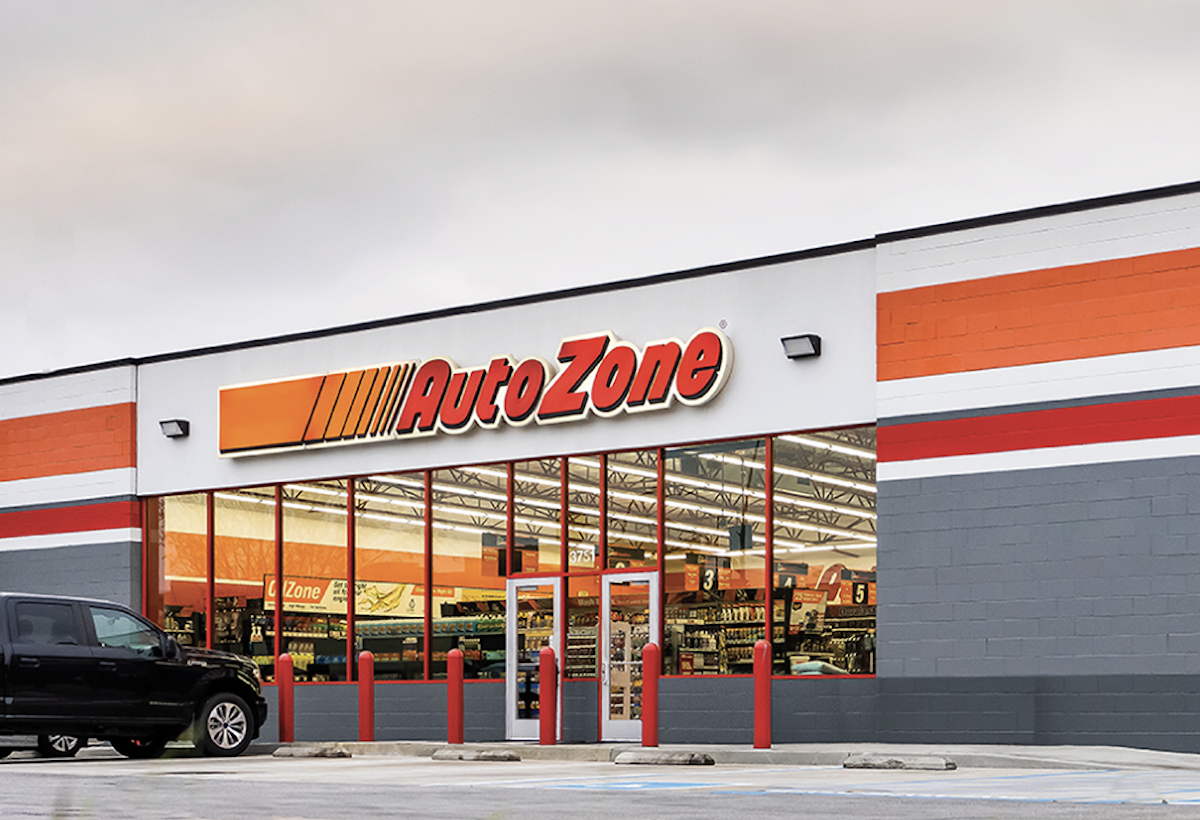
Making ends meet on retail wages has always been an uphill battle. If you work the floor at an AutoZone store, your paycheck is about to reflect changes designed to address that exact pressure.
AutoZone has rolled out company-wide pay adjustments across its network of stores. This move targets hourly retail staff and commercial specialists, responding directly to stubborn inflation and a competitive job market. If you're wondering how this affects your next direct deposit, let's break down the mechanics, timelines, and real-world impact of these wage adjustments.
Understanding the AutoZone Pay Adjustments
Wage structures at major auto parts retailers rarely change overnight or uniformly. Instead of a single flat-rate bump for every employee, AutoZone's pay adjustments factor in local cost-of-living metrics, store performance, and individual tenure.
Hourly team members form the core of daily operations, answering part numbers, testing batteries, and turning wrenches for DIY mechanics. The revised wage tiers aim to close the gap between entry-level pay and the rising cost of living in urban and suburban markets alike. Additional information into this topic are covered by Associated Press.
- Role-Based Tiering: Positions with higher technical demands, such as commercial driver-salesmen and parts specialists, see different adjustments compared to cashiers or general clerks.
- Geographic Cost Scaling: Stores located in high-cost metropolitan areas receive larger adjustments to remain competitive against local warehouse and fast-food alternatives.
- Tenure Recognition: Longer-tenured associates are positioned higher on the revised pay scale to prevent wage compression, ensuring veteran staff aren't earning the same as new hires.
Why AutoZone Increased Wages Now
Retailers don't raise pay out of sheer generosity; they do it because the cost of turnover is staggering. Finding, hiring, and training a replacement parts specialist drains store resources.
For years, the automotive aftermarket sector has faced a persistent labor squeeze. Mechanics and retail auto parts workers have plenty of employment options, from local repair shops to major logistics warehouses. When unemployment sits at low levels, employees hold the leverage.
Vehicles are also more complex than ever. Modern cars require staff to navigate sophisticated computerized diagnostic tools, look up intricate wiring diagrams, and explain advanced electronic components to confused customers. A qualified parts counter person isn't just a cashier; they act as a technical advisor. Compensation packages needed to evolve to reflect that technical reality.
Comparing AutoZone with Industry Competitors
AutoZone isn't operating in a vacuum. Major competitors like O'Reilly Auto Parts and Advance Auto Parts have also adjusted starting wages and structured bonus programs over recent years.
When one national player shifts its wage floor upward, others must follow or watch their best staff walk across the street. This competitive leapfrog has steadily raised the baseline for automotive retail pay.
| Retailer | Primary Compensation Focus | Incentive Structure |
|---|---|---|
| AutoZone | Hourly base adjustments & local cost scaling | Performance and commercial sales bonuses |
| O'Reilly Auto Parts | Starting wage floors & promotion tracks | Store-level sales commission programs |
| Advance Auto Parts | Hourly rate harmonization & retention bonuses | Part-time development incentives |
This gradual convergence means retail workers in the automotive space have more bargaining power than they did a decade ago. It also means companies must squeeze more efficiency out of their operations to offset higher labor expenses.
What This Means for Your Take-Home Pay
If you're an active employee, the change should show up automatically on your upcoming paystubs. Human resources departments generally stage these rollouts across standard pay periods to avoid processing errors.
- Check Your Pay Stub: Look for adjustments in your base hourly rate rather than temporary stipends. Base rate increases compound over time when calculating overtime and holiday pay.
- Review Commercial Incentives: If you work on the commercial delivery or business-to-business side, ask your store manager how base rate changes interact with existing commission or volume bonuses.
- Track Your Performance Reviews: Annual evaluations tie directly into where you sit within your new pay band. Maximizing your score during reviews unlocks the higher end of the revised wage bracket.
Common Mistakes Associates Make After a Pay Raise
When wages go up, it's easy to adjust your lifestyle immediately and spend every extra dollar. Smart financial management requires discipline, especially when dealing with inflation.
- Lifestyle Creep: Don't immediately commit your entire raise to new monthly recurring bills or auto loans. Treat the extra income as breathing room or savings first.
- Ignoring Benefits: Pay rate increases don't replace the value of health insurance, 401(k) matches, or employee discount programs. Make sure you're utilizing total compensation, not just your hourly wage.
- Failing to Track Hours: With adjusted pay tiers, tracking your time card accurately is more important than ever. Verify that overtime hours are calculating correctly against your new base rate.
Frequently Asked Questions
Did all AutoZone locations receive the same pay increase?
No. Pay adjustments vary significantly by geographic location, local labor market competition, and regional cost-of-living indexes. Urban areas with higher living costs typically see larger adjustments than rural stores.
Do part-time associates qualify for the wage increase?
Yes. The adjustments apply to both full-time and part-time hourly positions across store operations, though the exact monetary amount depends on your specific role and tenure.
When will I see the higher rate on my paycheck?
The rollout timeline depends on your local payroll cycle. Most stores implement the changes at the start of a new pay period to ensure clean accounting and immediate reflection on direct deposits.
Will this wage increase impact my hours or staffing levels?
Store managers balance labor budgets against local sales volume. While corporate dictates the pay scales, individual store scheduling depends on foot traffic and commercial delivery demands.



: Complete Survey Guide and Rewards](https://www.simpleeverydaymom.com/wp-content/uploads/2023/10/Pilgrim-Photo-Craft-for-Thanksgiving-image-559x1024.jpg)