The automotive industry is breaking out of a multi-year slump, shifting from survival mode to aggressive modernization. Supply chain bottlenecks that choked assembly lines for years have finally eased, allowing production volumes to stabilize across North America and Europe. At the same time, shifting consumer demands and rapid technological adjustments mean carmakers can't simply return to old habits.
To understand this turnaround, we have to look past simple sales numbers. The sector is undergoing a structural redesign. Manufacturers are balancing heavy investments in electric architectures with the reality of uneven consumer adoption. Profit margins are tighter, competition from newer market entrants is fierce, and regulatory pressures keep shifting.
The Production Realignment
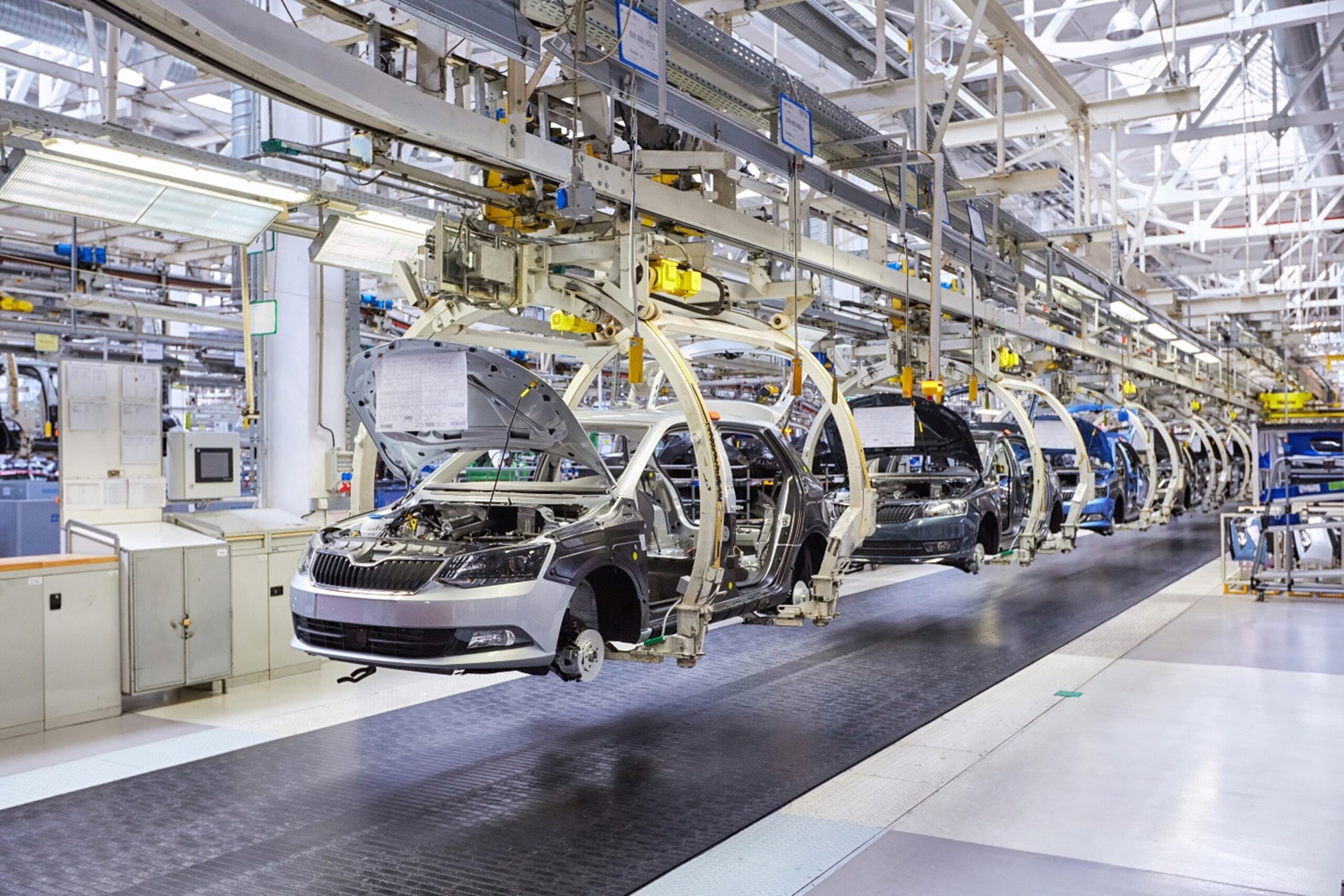
For years, assembly plants operated in a reactive posture. Semiconductor shortages, logistics failures, and raw material spikes forced manufacturers to prioritize high-margin vehicles while leaving dealer lots half-empty. Today, plant capacity utilization is climbing back toward historical averages, but the underlying manufacturing footprint looks very different.
Carmakers have shortened their supply chains, relying more on regional sourcing to protect against future global disruptions. This localization strategy costs more upfront, but it prevents the catastrophic line shutdowns that paralyzed the sector earlier in the decade. Factories are also integrating automated quality control systems, reducing scrap rates and speeding up vehicle throughput.
Managing Inventory Levels
Dealer lots are no longer empty, which brings a new set of operational challenges. For years, lean inventories gave dealerships pricing power and kept incentives low. Now that lot capacity is returning to normal, buyers expect discounts and financing incentives to return.
- Dealerships are adjusting floor-plan financing costs as interest rates remain elevated compared to the ultra-low rates of the past.
- Manufacturers are offering targeted regional incentives rather than broad factory rebates to protect residual values.
- Used vehicle pricing has cooled significantly, changing trade-in dynamics for consumers looking to upgrade.
Powertrain Diversity and Market Realities
The strategy of an all-electric future by a fixed deadline has hit commercial speed bumps. While battery-electric vehicle sales continue to grow in specific segments, growth rates have flattened compared to initial corporate projections. Legacy brands are adjusting by adopting flexible manufacturing platforms that can build internal combustion engines, hybrids, and electric powertrains on the same assembly line.
Hybrids are currently driving much of the volume recovery. Consumers want lower fuel consumption without range anxiety or charging infrastructure hurdles. According to reports from WardsAuto, powertrain flexibility is becoming the primary differentiator between profitable quarters and massive financial restructuring for traditional OEMs.
Digital Retail and Consumer Behavior
The way people buy cars has fundamentally changed. Traditional showroom visits now happen mostly online, with buyers arriving at dealerships armed with precise pricing data, finance calculations, and independent reviews. Creator-led content and peer validation have largely replaced traditional advertising as the primary driver of brand trust.
- Research Phase: Buyers spend weeks comparing specs, reliability ratings, and ownership costs online before ever contacting a dealer.
- Financing Integration: Digital trade-in valuation tools and online pre-qualification have compressed the time spent inside the physical finance office.
- After-Sales Engagement: Software-defined vehicle features mean the relationship between brand and driver continues long after the purchase contract is signed.
Common Strategic Pitfalls
As the industry steps back into the spotlight, several companies stumble by repeating past errors. Recognizing these traps helps explain why some brands thrive while others struggle with profitability.
- Overproducing Niche Models: Building high-volume assembly lines for vehicle segments with shrinking demand leads to expensive inventory write-downs.
- Ignoring Regulatory Lead Times: Failing to coordinate compliance strategies across international markets results in costly import bans or software blocks.
- Neglecting Dealer Networks: Forcing strict digital mandates without supporting dealership profitability creates friction and hurts local customer satisfaction.
Frequently Asked Questions
What caused the recent shift in automotive manufacturing strategies?
Manufacturers realized that rigid long-term production plans couldn't survive modern supply chain shocks or sudden shifts in consumer demand. Companies moved toward flexible assembly lines that can switch between gas, hybrid, and electric vehicles based on actual weekly sales.
Why are hybrid vehicles outselling pure electric models in many markets?
Hybrids offer immediate fuel savings and lower emissions without requiring buyers to alter driving habits or rely heavily on public charging networks. This makes them a practical bridge for mainstream consumers.
How have dealership lots changed over the last two years?
Supply chain stabilization restored inventory levels, ending the severe vehicle shortages of previous years. Dealerships now manage higher floor-plan financing costs and must use targeted incentives to move units.
What role does software play in modern vehicle sales?
Software updates, subscription features, and connected digital services now generate recurring revenue for manufacturers while keeping vehicles updated with safety and infotainment improvements long after purchase.
The Future of the Automotive Industry
This video provides additional context on the technological transformations and production shifts shaping the modern automotive sector.