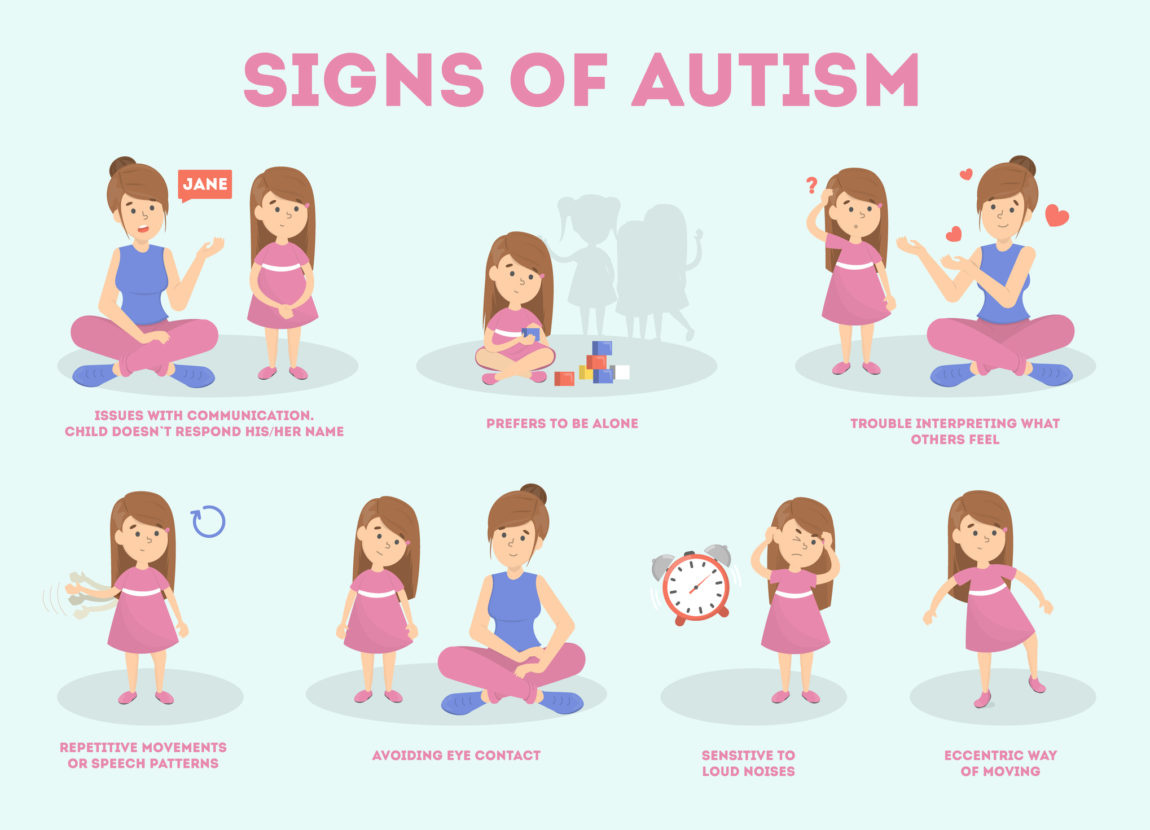
Autism Spectrum Disorder (ASD) is a complex neurodevelopmental condition characterized by differences in social communication, sensory processing, and behavioral patterns. Modern scientific investigation has shifted away from viewing autism through a purely behavioral lens, focusing instead on underlying genetic architecture, early brain development, and distinct neurobiological mechanisms. Understanding these shifts helps clinicians, educators, and families provide more targeted, evidence-based support.
Recent clinical data emphasizes that autism stems from a combination of strong genetic heritability and early prenatal biological factors, rather than external parenting practices. Researchers continue to refine diagnostic frameworks to capture the wide diversity of experiences within the spectrum, balancing medical definitions with the insights of the neurodiversity movement.
Genetic Drivers and Biological Mechanisms
At the core of modern autism research is the mapping of genetic and neurological factors. Twin studies consistently show high heritability rates, pointing to genetics as the primary driver of ASD.
- Gene Mutations: Over 100 specific genes and genomic regions have been linked to autism, many of which regulate how neurons connect and communicate during early brain development.
- De Novo Changes: Some genetic alterations are spontaneous mutations occurring in the egg, sperm, or early embryo, rather than being inherited directly from parents.
- Brain Connectivity: Neuroimaging reveals differences in neural connectivity. Certain brain networks exhibit hyper-connectivity, which can contribute to intense focus or sensory overload, while others show hypo-connectivity, affecting rapid social processing.
Recent studies also highlight how autistic brains process sensory inputs and facial expressions differently from neurotypical brains, with these neural differences appearing earlier in childhood than previously understood.
Refining Diagnostic Criteria and Clinical Assessment
Diagnostic criteria for ASD have evolved to provide clinicians with greater clarity while capturing a more comprehensive profile of an individual's strengths and challenges. The transition to updated text revisions in diagnostic manuals, such as the DSM-5-TR, clarified specific requirements for social communication deficits and expanded behavioral specifiers.
Clinicians now place heavy emphasis on sensory processing differences—such as hyper-reactivity or hypo-reactivity to lights, sounds, textures, and temperature—which are recognized as core components of the condition rather than secondary traits. This precision allows practitioners to document co-occurring issues like anxiety, sleep disturbances, or motor challenges, leading to more individualized intervention plans.
Early Identification and Support Interventions
Identifying developmental differences early in life remains one of the most effective ways to improve long-term outcomes. Infant research focuses on behavioral markers and familial indicators that suggest a heightened likelihood of ASD.
- Targeted Interventions: Programs rooted in developmental frameworks, such as Pivotal Response Treatment, focus on increasing motivation and natural social engagement rather than rote compliance.
- Environmental Accommodations: Recognizing sensory profiles helps schools and workplaces modify environments to reduce stress and prevent burnout.
- Interdisciplinary Care: Combining speech therapy, occupational therapy, and psychological support ensures that individuals receive coordinated care tailored to their developmental stage.
Frequently Asked Questions
What causes Autism Spectrum Disorder?
Current science points primarily to a mix of genetic influences and early prenatal biological factors. Extensive global research has conclusively proven that vaccines do not cause autism, and mid-20th-century theories blaming parenting styles have been entirely debunked.
How do sensory differences affect daily life?
Many autistic individuals experience sensory processing differences, meaning everyday environments—such as bright fluorescent lights, loud noises, or crowded spaces—can feel intensely overwhelming or physically painful. Conversely, some individuals seek out specific sensory inputs for regulation.
Can autism be diagnosed in adulthood?
Yes. Many individuals are diagnosed later in adolescence or adulthood. Adults often seek out formal evaluations to better understand their own neurodivergence, access workplace accommodations, or find community support tailored to their lived experiences.
What is the difference between the medical and neurodiversity models?
The medical model views autism as a neurodevelopmental disorder that often requires specific medical, speech, or occupational support. The neurodiversity movement frames autism as a natural variation in human brain wiring, emphasizing that many challenges stem from an unaccommodating environment rather than inherent personal deficit. Most modern frameworks incorporate elements of both, acknowledging medical needs while respecting autistic identity.



