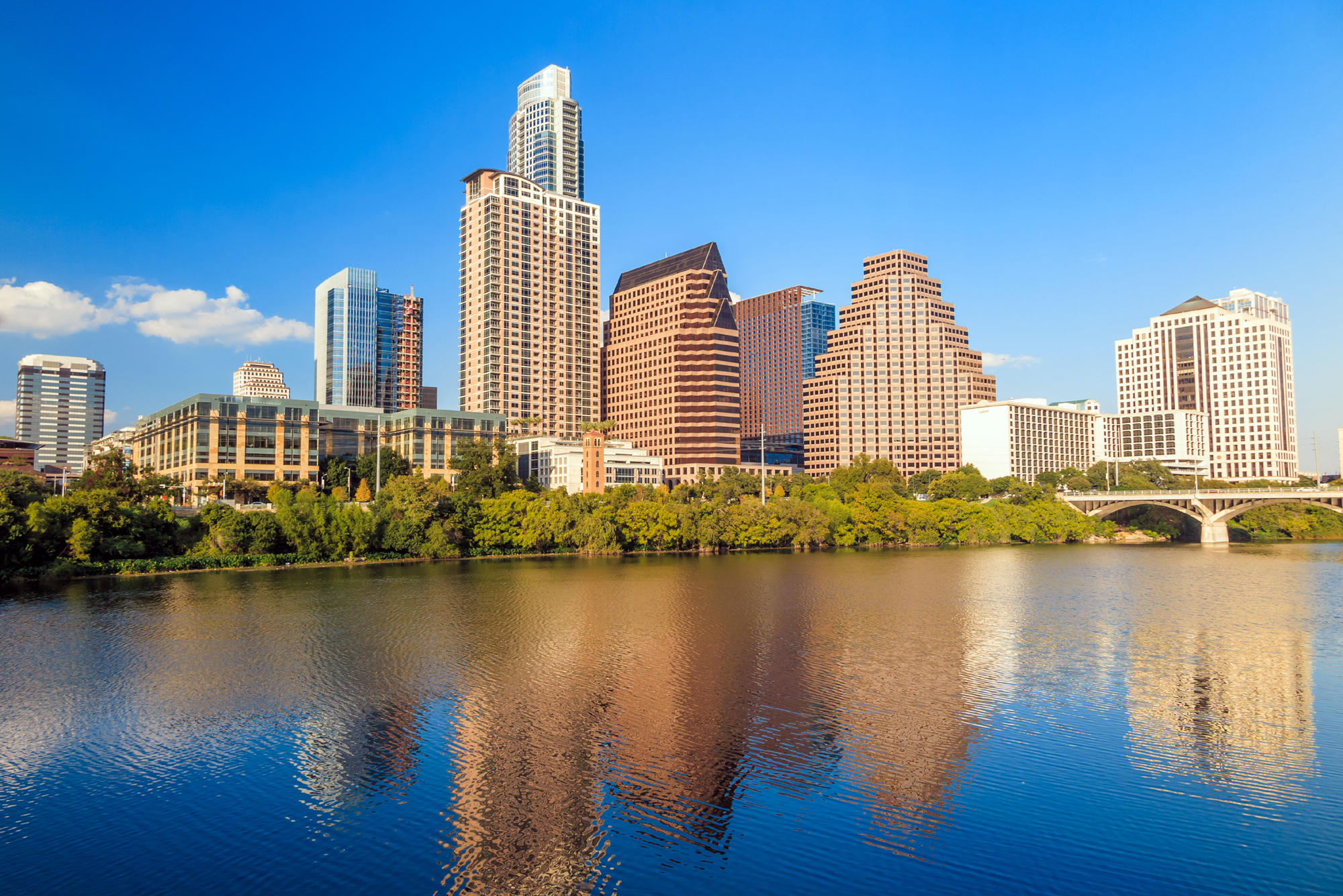
If you're planning a trip or moving to Central Texas, understanding Austin temperature in December helps you pack right and manage expectations. Unlike the blistering triple-digit days of summer, December brings mild, variable winter weather with afternoon highs averaging around 64°F (18°C) and overnight lows dropping to about 43°F (6°C). It's rarely a frozen wasteland, but sudden cold fronts can drop temperatures quickly.
Winter in Austin isn't about deep snow or prolonged sub-freezing blizzards. Instead, December acts as a transitional, temperate month where you might wear a t-shirt one afternoon and a heavy wool coat two days later when a northern front sweeps through. Let's break down what the climate data actually reveals about Central Texas winters, what you should pack, and how to navigate the seasonal shifts.
Breaking Down December Temperatures in Austin
The month starts out relatively mild and gradually cools as it heads toward January, which is historically the coldest month of the year in Central Texas. On December 1st, average daily highs hover near 67°F (19°C) with lows around 48°F (9°C). By December 31st, those numbers ease downward to an average high of 62°F (17°C) and an average low of 43°F (6°C).
While averages provide a helpful baseline, daily weather swings define the true character of an Austin December.
- Afternoon Warmth: The city typically records around ten days in December where the afternoon thermometer climbs into the low 70s (°F).
- Rare Heat Spikes: On exceptional years, warm southerly winds push daytime readings up to 80°F (27°C) or higher for a day or two.
- Freezing Nights: Overnight lows dip to freezing (32°F / 0°C) or below on an average of three nights during the month.
For official climatological baselines and historical records, you can consult the National Weather Service Austin/San Antonio office.
Rainfall, Humidity, and Sunshine in Central Texas
Winter precipitation in Austin is generally moderate rather than torrential, but damp conditions can make the air feel crisper than the thermometer suggests. December averages roughly 2 to 2.4 inches of total precipitation, spread across about four to five wet days. Snow is an extreme rarity; the vast majority of precipitation falls as cold rain.
Humidity levels stay fairly balanced. Mornings can feel misty or damp with a relative humidity averaging around 68%, which usually drops to roughly 52% by mid-afternoon. Skies are a mixed bag. December is statistically one of the cloudiest months in Austin, yet the city still enjoys plenty of clear days, averaging roughly 155 to 184 hours of sunshine throughout the month. Days are short, with the sun setting just after 5:30 PM local time.
What to Pack for an Austin December
Packing for a Central Texas winter requires versatility. If you pack only shorts and sandals, you'll shiver during evening walks along Lady Bird Lake. If you pack heavy alpine gear, you'll sweat through warm afternoon patio sessions.
- The Layering System: Bring breathable t-shirts or long-sleeve shirts paired with light sweaters, hoodies, or fleece jackets.
- Outerwear: Pack one wind-resistant jacket or medium-weight coat for chilly mornings, evening events, and sudden drops in temperature.
- Footwear: Comfortable walking shoes or boots work best. Open-toed shoes are fine for warm afternoons, but closed shoes keep your feet warm when cold fronts hit.
- Rain Gear: Toss a compact umbrella or a light rain shell into your bag just in case a winter shower rolls through.
To monitor local municipal parks, trail conditions, or outdoor venue guidelines during your stay, visit the City of Austin Official Website.
Common Mistakes When Visiting Austin in Winter
Travelers and new residents often miscalculate how Texas weather operates during the winter season. Avoiding these common errors ensures a smooth trip.
- Assuming it's tropical all winter: While Texas has a reputation for warmth, Central Texas experiences true winter weather. Packing strictly summer clothes will leave you unprepared for damp 40-degree nights.
- Ignoring the wind chill: Northerly wind gusts can make a 55°F day feel significantly colder. Always check the hourly wind forecast alongside the air temperature.
- Overpacking heavy snow gear: Leave heavy snow boots, heavy ski parkas, and heavy winter thermal underwear at home. You won't need them in Austin unless an extreme, rare historic freeze occurs.
Frequently Asked Questions
Does it ever snow in Austin in December?
Snow is exceedingly rare in Austin in December. Historical climate data shows that measurable snowfall happens in less than one percent of December days. Most winter precipitation arrives as cold liquid rain.
How cold does it get at night in December?
Overnight lows typically sit around 43°F (6°C). However, clear skies and dry northern air can occasionally push overnight temperatures down to freezing (32°F / 0°C) or slightly below on a handful of nights.
Can I swim outdoors in Austin in December?
Unless you have access to a heated pool or hot tub, outdoor swimming is generally uncomfortable in December. Water temperatures in local lakes and unheated pools drop significantly, matching the cooler ambient winter air.
Is December a good time to visit Austin?
Yes, December is a fantastic time to explore the city. Outdoor activities like hiking the Barton Creek Greenbelt, visiting the state capitol, or enjoying holiday lights and festival events are much more comfortable in mild 60-degree weather than under the scorching 95-degree summer sun.


