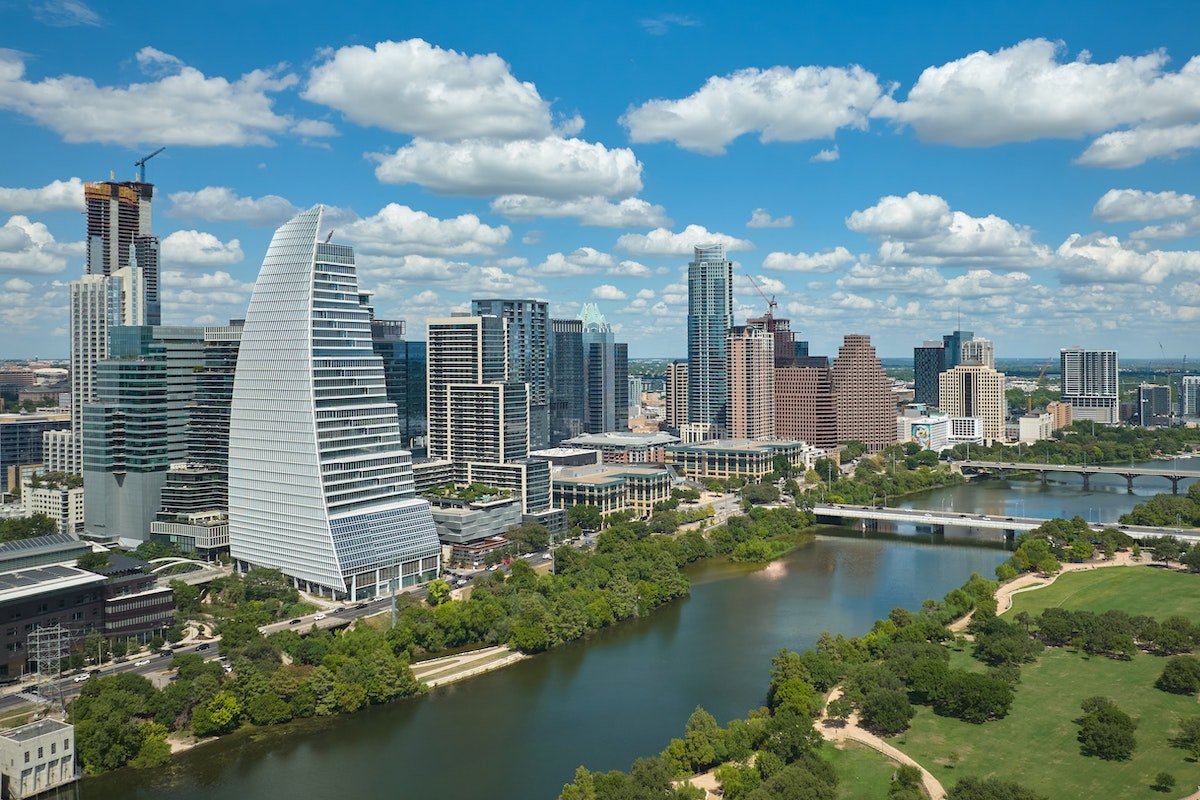
Austin operates on Central Standard Time, but its daily momentum feels entirely its own. Sitting in the heart of Texas, the city blends live music heritage, a massive technology sector, and a distinct work-life cadence that refuses coastal rush-hour toxicity. When people talk about Austin's rhythm, they mean a lifestyle where morning productivity meets late-night creative energy without collapsing under burnout.
Understanding how Central Time anchors Austin requires looking past generic time zone trivia. From SXSW scheduling down to neighborhood coffee shop hours, local commerce, tech development, and cultural events lock into a predictable mid-continent schedule. This alignment lets businesses collaborate seamlessly with New York, Chicago, and Latin American markets while maintaining a distinctly independent Texas identity.
The Foundation of Austin's Time-Conscious Culture
Founded along the Colorado River in 1839, Austin transitioned from an agrarian frontier outpost to a modern metropolis while keeping a strong connection to natural daylight patterns. Central Standard Time (UTC-6) and Central Daylight Time (UTC-5) govern local operations, creating predictable seasonal shifts in how residents move through the city.
Unlike coastal hubs driven by relentless pacing, Austin's cultural clock respects pacing boundaries. Mornings start early along the Lady Bird Lake Hike-and-Bike Trail, where runners and tech founders alike catch the sunrise before hitting coworking spaces or offices in the Domain or Downtown.
Why Central Time Suits a Dual Tech and Music Economy
Operating in Central Time gives Austin a strategic advantage for commerce and media. The timezone allows local teams to complete a full morning of work before West Coast offices open, while still having afternoon hours to coordinate with European or Eastern Seaboard partners.
- Midday Synergy: Live broadcasts and national product launches align easily with prime-time windows across both coasts.
- Reduced Friction: Financial markets and enterprise tech firms operate during standard U.S. banking hours without requiring overnight shifts.
- Creative Flexibility: Musicians and filmmakers use evening hours without losing synchronized access to national distribution networks.
Daily Rhythm: Work, Transit, and Community Flow
Life in Austin follows a structured yet relaxed daily timeline. Public transit schedules managed by CapMetro peak during standard commuting windows between 7:00 AM and 9:00 AM, then ramp back up for evening departures from tech campuses and government offices.
Local restaurants and creative venues shape their operating hours around this cadence. Food truck parks fill up during mid-afternoon lulls, and legendary music venues on Sixth Street or East Austin open their doors as evening settles in.
Common Mistakes to Avoid When Planning Around Austin Time
- Ignoring Seasonal Shifts: Forgetting that Daylight Saving Time alters sunset times dramatically between summer and winter can throw off outdoor event schedules.
- Underestimating Traffic Windows: Assuming traffic mirrors smaller cities; I-35 and MoPac bottlenecks hit hard during standard Central Time rush hours.
- Treating Austin Like a Coast: Expecting businesses to operate on Pacific urgency or New York aggression—Austin favors relationship-building over rushed transactions.
Innovation Districts and Modern Growth
Austin's tech boom—often dubbed "Silicon Hills"—relies on precise operational timing. Major employers like Tesla, Oracle, and hundreds of startups coordinate logistics, supply chains, and software deployments using Central Time as their baseline. Smart city infrastructure, from adaptive traffic signals to municipal energy grids managed by ERCOT, depends on synchronized data feeds that keep the region stable during peak summer heat waves.
Despite rapid urban expansion, the city's cultural leadership works hard to protect its creative spaces from being swallowed by round-the-clock commercialization. The focus remains on sustainable productivity rather than frantic overwork.
Frequently Asked Questions
What time zone is Austin, Texas in?
Austin is in the Central Time Zone. It observes Central Standard Time (CST, UTC-6) during the winter months and switches to Central Daylight Time (CDT, UTC-5) from the second Sunday in March to the first Sunday in November.
How does Austin's time zone affect remote workers?
Working remotely from Austin provides a balanced schedule for professionals collaborating across the United States. You're just one hour ahead of Pacific Time and one hour behind Eastern Time, making cross-country meetings manageable without extreme early mornings or late nights.
Why is Austin called a city of innovation and culture?
Austin combines a thriving technology and venture capital sector with a deep-rooted live music and arts community. Events like South by Southwest (SXSW) bridge these worlds, drawing global innovators, filmmakers, and musicians into a single localized ecosystem.
Does Austin experience heavy rush-hour traffic?
Yes. Commuter traffic peaks significantly between 7:00 AM and 9:00 AM in the morning and from 4:30 PM to 6:30 PM in the evening, particularly along major arteries like Interstate 35 and Loop 1 (MoPac).