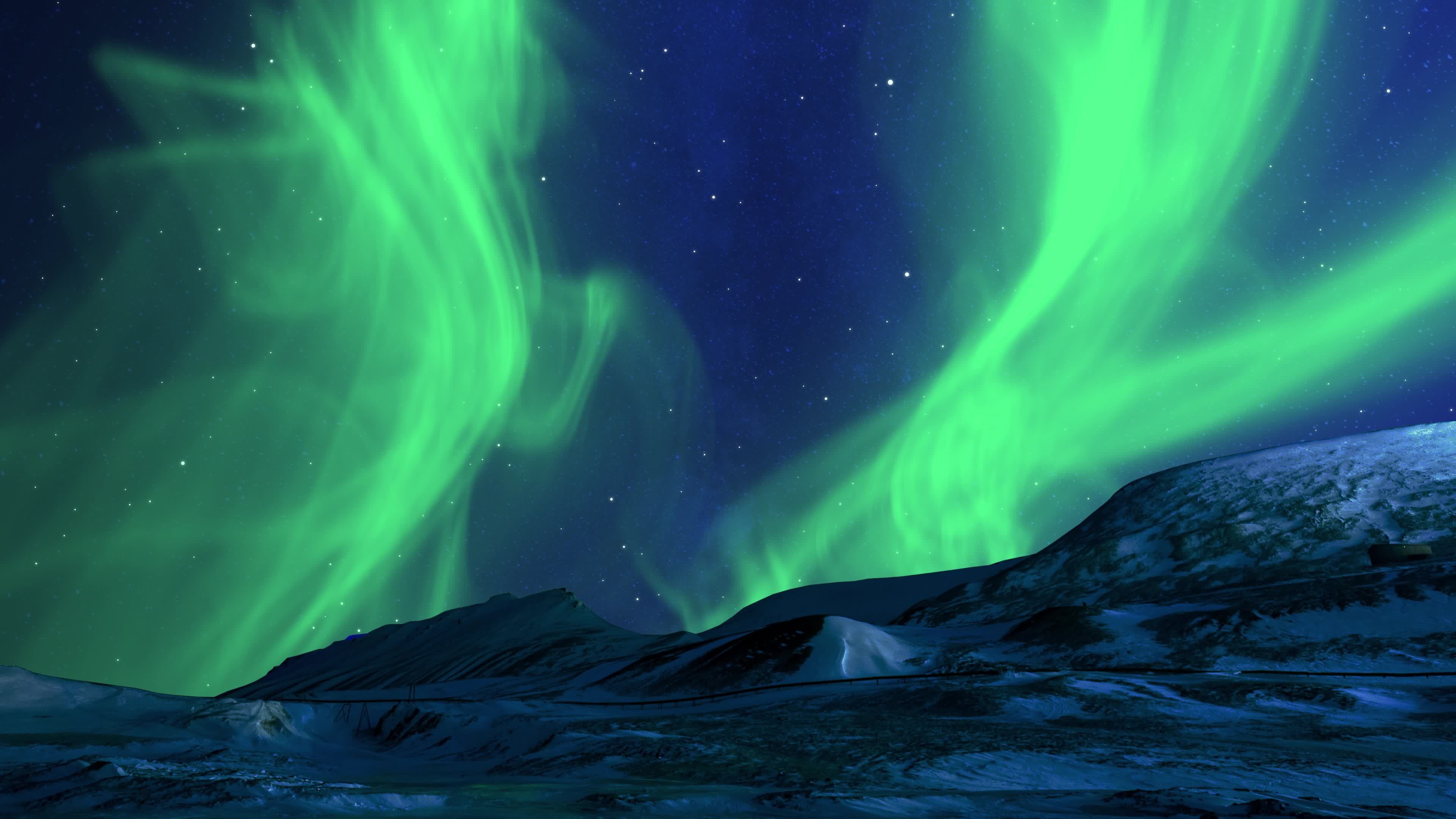
Aurora music occupies a distinct space where ambient electronic composition meets organic field recordings, creating expansive, meditative sound environments. Unlike traditional club electronic tracks or rigid classical arrangements, this sonic movement focuses on slow-evolving textures, natural resonance, and deep emotional immersion.
At its core, the aurora music genre blends synthesizer pads, granular synthesis, and acoustic instrumentation with environmental sounds like rainfall, wind, and low-frequency glacier shifting. Listeners turn to these recordings for deep focus, stress reduction, and cinematic world-building.
Defining the Aurora Music Movement
The genre is defined by a deliberate rejection of standard song structures, choruses, and fast tempos. Instead, composers prioritize sustained tones and subtle harmonic shifts that trick the human ear into tracking infinite movement within stillness.
Key defining elements include:
- Granular Texture Processing: Producers chop micro-samples of acoustic instruments (like cello or harp) and stretch them into long, warm washes of sound.
- Acoustic-Electronic Hybridization: Seamless blending of organic instruments with modular synthesizers so listeners can't tell where physical strings end and digital oscillators begin.
- Dynamic Space: Generous use of reverb and delay pedals to simulate massive physical spaces, ranging from Arctic fjords to empty concrete cathedrals.
Origins and Historical Evolution
The roots of modern atmospheric soundscapes trace back to late 20th-century ambient pioneers, but the specific identity crystallized in the early 2000s. Artists working on the fringes of IDM (intelligent dance music) and modern classical started stripping away rhythm sections entirely.
Labels like Kranky and Touch pioneered releases that prioritized mood over melody. Over the subsequent two decades, software advancements allowed bedroom producers to access high-end convolution reverbs and granular plugins, democratizing the creation of vast, cinematic audio works.
Key Releases That Shaped the Sound
Several foundational albums established the sonic blueprint for contemporary atmospheric production:
- Max Richter's Sleep introduced an eight-hour durational work designed to accompany the human sleep cycle, merging classical piano motifs with slow synthesizer pads.
- Tim Hecker's Ravedeath, 1972 utilized corrupted pipe organ recordings and heavy distortion to construct haunting, physical walls of sound.
- Biosphere's Shenzhou looped fragments of Claude Debussy's orchestrations over sub-zero field recordings captured in Norway.
Production Techniques Behind Ethereal Soundscapes
Creating authentic atmospheric audio requires a specialized workflow that differs significantly from pop or rock mixing. Producers focus heavily on frequency masking and spatial placement to keep dense arrangements from sounding muddy.
[Field Recording / Micro-Sample]
       ↓
[Granular Stretching & Pitch Shifting]
       ↓
[Convolution Reverb / Spatial Placement]
       ↓
[Subtle Low-Pass Filtering & Saturation]
1. Layering Field Recordings
Authentic environmental audio forms the structural foundation. Rather than dropping stock rain loops into a session, producers record high-fidelity binaural audio of weather events, forest canopies, or industrial hums. These tracks are often low-passed heavily and pushed far back in the stereo image.
2. Micro-Sound Manipulation
Taking a three-second violin stroke and stretching it to last three minutes creates a swelling pad devoid of transient peaks. This technique removes the human mechanical indicators of playing, resulting in a superhuman, otherworldly sustain.
3. Harmonic Distortion and Tape Saturation
Clean digital audio can sound sterile. Producers run tracks through hardware tape simulators or cassette decks to introduce wow, flutter, and warm harmonic saturation that glues the elements together.
Common Mistakes in Atmospheric Production
When producers attempt to build ethereal tracks for the first time, they frequently run into specific creative hurdles that flatten the listening experience.
- Over-Reverberating Everything: Drowning every single track in massive reverb washes out the mix. To maintain depth, dry elements must contrast with heavily wet elements.
- Ignoring Frequency Clashes: Because sustained pads take up a lot of spectral real estate, they frequently crowd out subtle melodic details. Proper EQ carving is essential.
- Lack of Micro-Movement: Static pads get boring quickly. Every sustained element needs subtle modulation on filters, panning, or volume over time to keep the human ear engaged.
Frequently Asked Questions
What separates aurora music from standard ambient music?
While ambient music covers a broad umbrella of background audio—including drone, dark ambient, and furniture music—aurora music specifically emphasizes bright, celestial textures, natural world field recordings, and emotional uplift reminiscent of polar light phenomena.
Do I need expensive hardware to produce these soundscapes?
No. While modular synthesizers and boutique hardware pedals are popular, modern digital audio workstations contain all the granular engines, delays, and reverbs necessary to build complex soundscapes.
How do artists use field recordings without clipping the mix?
Producers typically high-pass field recordings to remove rumbling sub-frequencies below 40Hz, and use multiband compression to tame harsh high-end transients like sharp wind gusts.
Is this genre suitable for active listening or only background focus?
Both. While many listeners use these soundscapes for reading, sleeping, or working, detailed headphone listening reveals intricate spatial panning, hidden harmonic layers, and complex sound design choices.


