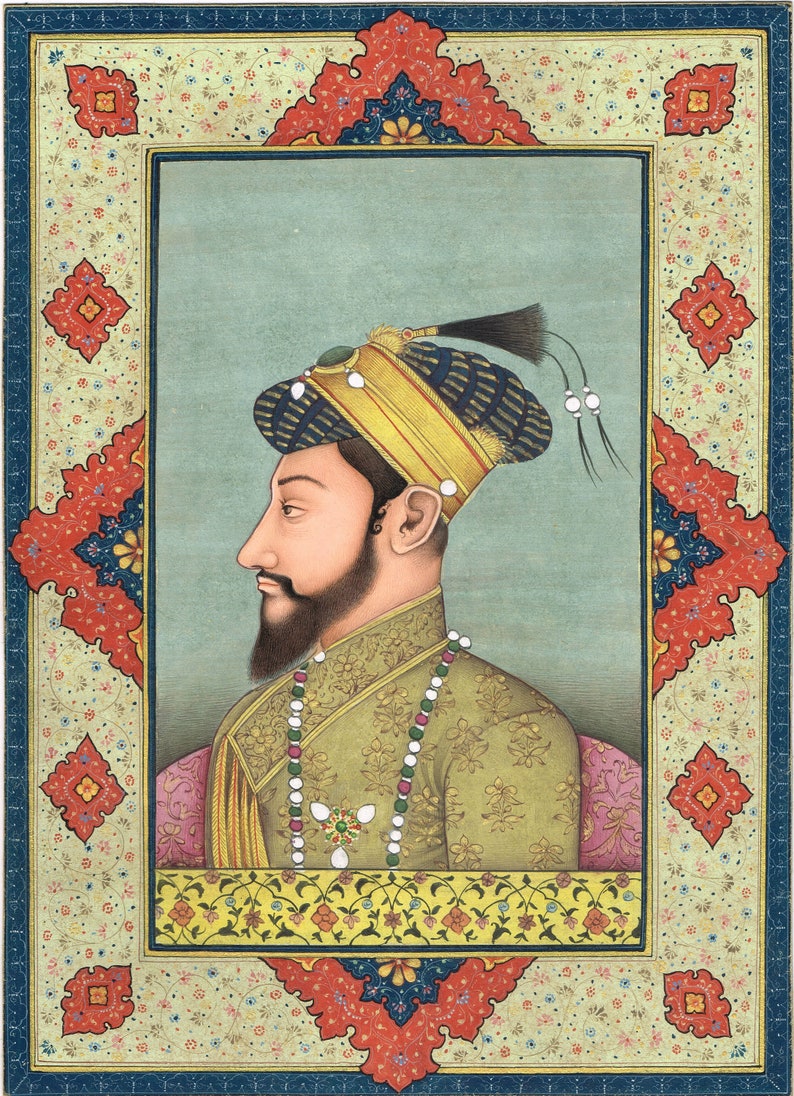
Aurangzeb Alamgir remains one of the most polarizing rulers in South Asian history. Ascending the throne in 1658 after a brutal war of succession, the sixth Mughal emperor expanded his realm to its absolute territorial zenith. At the same time, his uncompromising religious and political policies fractured the cosmopolitan alliances that had sustained his predecessors. Modern cultural narratives, including cinematic depictions of Mughal power struggles featuring actors like Saif Ali Khan, often lean into the intense, isolated psychology of an autocrat burdened by duty. Yet the true weight of Aurangzeb’s legacy lies in the tension between imperial expansion and systemic structural decline.
Understanding his reign requires looking past simplistic moral judgments. Aurangzeb did not govern in a vacuum; he responded to fiscal pressures, regional rebellions, and personal religious convictions that reshaped the Indian subcontinent. This examination looks closely at his rise to power, administrative decisions, military campaigns, and the lasting impact he left behind.
The Rise to Power and the War of Succession
The path to the Peacock Throne was paved with blood. In 1657, a severe illness incapacitated Emperor Shah Jahan, instantly triggering a fierce civil war among his four sons: Dara Shikoh, Shuja, Murad, and Aurangzeb. Dara Shikoh, the eldest, was Shah Jahan's favorite and a philosophical liberal cut from the same cloth as Akbar. Aurangzeb, who was serving as the viceroy of the Deccan, possessed superior military acumen and cold political calculation.
Aurangzeb outmaneuvered his brothers through tactical brilliance and strategic alliances. He defeated Dara Shikoh at the Battle of Samugarh in May 1658, subsequently executing him and imprisoning his aging father, Shah Jahan, in the Agra Fort for the remainder of his life.
- Centralization: Unlike his predecessors who shared power with diverse noble factions, Aurangzeb centralized authority strictly around his own person.
- Pragmatism: His early military campaigns demonstrated a ruthless commitment to securing borders before securing court popularity.
- Political Isolation: By eliminating his brothers and sidelining moderate voices, he set a precedent of internal suspicion that plagued his entire reign.
Administrative Shifts and Religious Policy
The defining characteristic of Aurangzeb's domestic policy was its sharp break from the religious pluralism championed by Akbar. Early Mughals relied on a delicate coalition of Sunni Muslims, Shia Muslims, Sufis, Rajputs, and Hindu courtiers. Aurangzeb systematically dismantled this broad-based approach in favor of orthodox Sunni governance.
In 1679, he reimposed the jizya tax on non-Muslim subjects. This move served a dual purpose: it raised desperately needed revenue for endless military campaigns and placated conservative clerics who viewed previous emperors as too accommodating. He also banned music at court, discouraged court painting, and ordered the destruction of several prominent temples associated with political rebellion or perceived defiance.
"Aurangzeb's religious policies were less about theological conviction than a calculated strategy to reinforce Mughal sovereignty in a fragmenting realm."
Despite these rigid measures, contemporary records show that Aurangzeb continued to issue land grants to certain Hindu temples and employed more Hindu nobles in his administration during the latter half of his reign than Akbar did, largely out of sheer administrative necessity. However, the cultural atmosphere of the imperial court shifted from vibrant pluralism to austere legalism.
Military Expansion and the Deccan Wars
Aurangzeb's reign marked the largest territorial extent of the Mughal Empire, encompassing nearly four million square kilometers and ruling over more than 150 million subjects. His armies pushed deep into Assam in the northeast and aggressively campaigned across the Deccan plateau in the south.
The Archaeological Survey of India maintains records of numerous monuments and fortifications tied to this era of rapid expansion. Yet these sweeping military successes carried a catastrophic cost. From 1681 until his death in 1707, Aurangzeb lived in military tents on campaign in the Deccan, personally commanding troops against the Maratha Confederacy.
- Maratha Resistance: Led initially by Shivaji Maharaj and later by decentralized guerrilla bands, the Marathas exhausted the slow-moving imperial army.
- Financial Drain: The prolonged Deccan campaigns bankrupted the imperial treasury, leaving soldiers unpaid and infrastructure neglected in the northern provinces.
- Overextension: By pushing the borders too far south, the empire created a logistical nightmare that its administrative apparatus couldn't sustain.
The Structural Decline of the Empire
Historians frequently debate the exact tipping point of the Mughal Empire, but most point to the final decades of Aurangzeb's rule. While the territory was vast, the internal cohesion was broken. The alienation of the Rajput states robbed the empire of its most reliable cavalry commanders, while relentless conflicts with Sikh leaders in the Punjab created permanent northern flashpoints.
Key Factors in the Decline
- Fiscal Exhaustion: Years of continuous war drained silver reserves and inflated prices.
- Loss of Elite Loyalty: Alienating regional power brokers destroyed the trust required to govern a diverse subcontinent.
- Succession Crisis: Aurangzeb refused to groom capable successors, ensuring that his death would trigger another destructive civil war among his sons.
When Aurangzeb died in 1707 at the age of 88 in Ahmednagar, he was buried in a modest, open-air grave in Khuldabad, funded entirely by his own sewing of caps and copying of the Quran. It was a stark contrast to the grand marble mausoleums of his ancestors, reflecting a deeply pious personal asceticism that contrasted sharply with his aggressive imperial ambitions.
Frequently Asked Questions
Why did Aurangzeb reimpose the jizya tax?
Aurangzeb reimposed the jizya in 1679 to appease orthodox Islamic scholars, enforce strict legal codes, and generate revenue during a time of escalating military expenses.
How large did the Mughal Empire get under Aurangzeb?
At its peak under Aurangzeb's rule, the Mughal Empire covered nearly the entire Indian subcontinent, spanning approximately four million square kilometers.
Did Aurangzeb destroy all Hindu temples?
No. While Aurangzeb ordered the destruction of specific temples associated with political uprisings or treason, historical records confirm he also issued financial grants and protection decrees for other temples across his territories.
Why are Aurangzeb's final years considered a failure?
Although he expanded territory, his 25-year military campaign in the Deccan drained the treasury, alienated key regional allies, and left the central administration too weak to resist future invasions.



