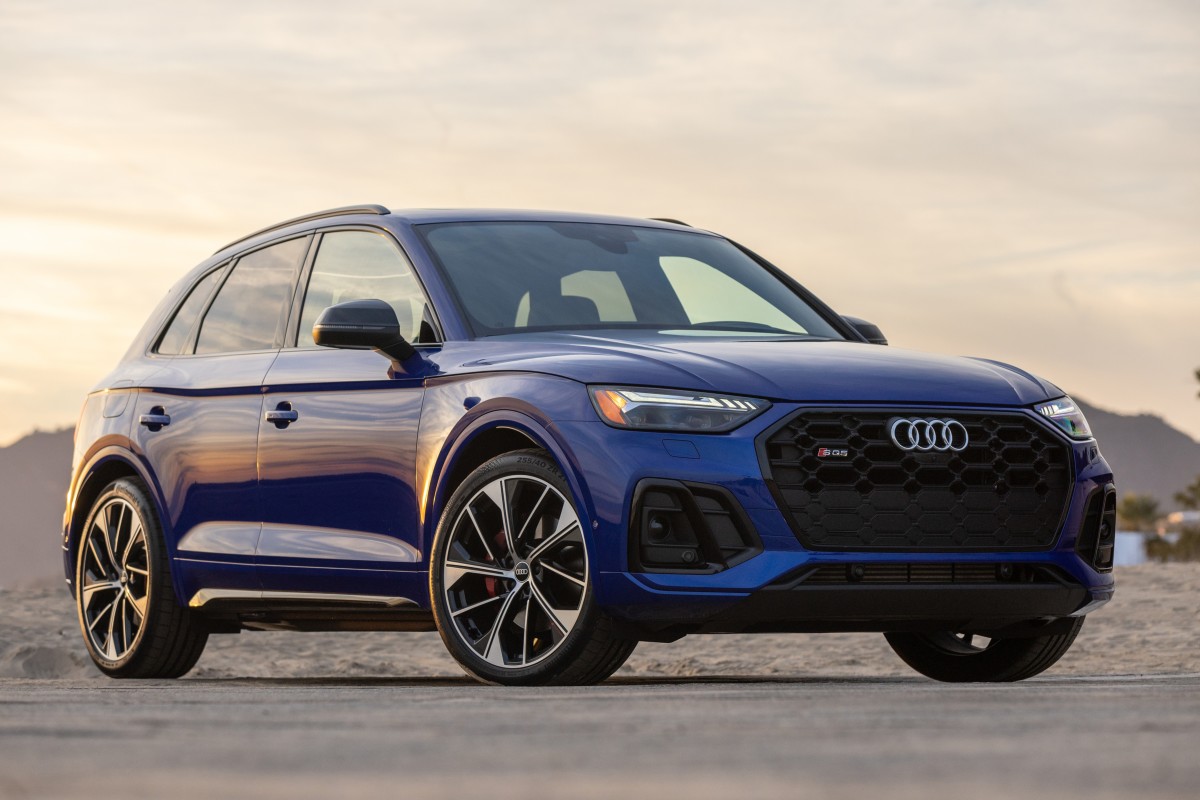
Automotive luxury isn't just about soft leather seats or a high price tag. It's a precise combination of heritage, engineering execution, and progressive design that changes how drivers experience the road. When examining brands that define high-end vehicle manufacturing, Audi stands out as a major force. From its early engineering roots in Germany to modern electric platforms, the brand has built a distinct reputation for combining refined aesthetics with everyday usability.
For buyers and enthusiasts examining what makes a car truly prestigious, understanding Audi's trajectory provides clear answers. This vehicle line proves that luxury can be functional, understated, and driven by technical progress rather than flashy excess.
The Engineering Foundation of Modern Prestige
True prestige in the automotive market starts beneath the sheet metal. While exterior styling draws initial interest, long-term luxury relies heavily on mechanical reliability and chassis dynamics. Audi built its modern identity on specific engineering pillars that changed how drivers handle adverse road conditions and high-speed transit.
The introduction of quattro all-wheel drive in 1980 altered the trajectory of passenger cars. By distributing power to all four wheels dynamically, it gave everyday sedans and coupes the kind of high-speed stability previously reserved for specialized racing machines. This technological leap established a core design philosophy: performance should enhance safety and control rather than just raw speed.
Cabin architecture further defines the brand's interior experience. Acoustic isolation engineering reduces wind and tire noise to minimal decibels, creating a quiet environment during long highway trips. High-grade aluminum space-frame construction also reduces overall vehicle weight, which improves fuel efficiency without sacrificing structural crash safety.
Evolution of Design Language and Interior Craftsmanship
Design trends shift quickly, but enduring luxury brands maintain a recognizable visual identity. The Singleframe grille, introduced in the early 2000s, became an iconic signature that anchors the front fascia of nearly every production model. Sharp exterior character lines complement minimalist cabin layouts, avoiding the cluttered button arrangements found in older luxury vehicles.
Interior spaces rely on tactile materials that age well under daily use. Real wood veneers, brushed aluminum accents, and fine leather upholstery form the core of the cabin palette.
- Ergonomic Seating: Multi-contour seats feature adjustable lumbar support and pneumatic side bolsters designed to reduce fatigue on extended journeys.
- Lighting Technology: Matrix LED headlights adapt to oncoming traffic, throwing precise beams around vehicles without blinding other drivers.
- Digital Integration: The Multi Media Interface (MMI) touch response system provides haptic feedback, letting drivers control climate and navigation settings without taking their eyes off the road for long periods.
Heritage and Brand Revitalization
Understanding how Audi reached its current market standing requires looking back at its complex corporate history. Formed through the merger of four distinct German manufacturers—Audi, DKW, Horch, and Wanderer—the company adopted the four-ring logo to represent this union.
Decades of economic shifts and wartime disruptions slowed passenger car production through the mid-twentieth century. However, the post-war acquisition by Volkswagen provided the financial stability needed to restart engineering innovation. Under visionary leadership in the 1970s, the brand pivoted away from basic economy cars toward premium engineering, paving the way for the launch of the iconic Audi Quattro and subsequent upscale expansion.
Market Positioning and Vehicle Lineup Strategy
Audi maintains its status by offering a diverse portfolio that caters to different lifestyle requirements without diluting its core identity. Compact options like the A3 provide urban professionals with efficient entry points into the ecosystem, while flagship sedans and performance variants target buyers seeking top-tier power and exclusivity.
Performance divisions, designated by the S and RS badges, push thermal and electric powertrains to higher limits. These models balance track-ready capabilities with daily comfort, allowing owners to drive a high-horsepower machine in heavy city traffic without experiencing mechanical strain or harsh ride quality.
Common Misconceptions About Luxury Automotive Ownership
Buyers entering the high-end vehicle market often encounter myths regarding maintenance, depreciation, and daily usability. Clarifying these points helps potential owners make practical decisions.
- Myth: Luxury cars require constant mechanical repairs. Modern German engineering utilizes advanced computer diagnostics that catch wear before it causes failure, making routine maintenance predictable when handled by certified technicians.
- Myth: All-wheel drive only matters in snow. Systems like quattro improve dry-pavement cornering grip and stability during heavy rainstorms, not just winter weather.
- Myth: High-end technology is difficult to learn. Modern infotainment layouts allow users to customize shortcut menus, mirroring smartphone logic to reduce the learning curve.
Frequently Asked Questions
What does Vorsprung durch Technik mean?
It translates to "Progress through Technology" and serves as the official corporate slogan. It reflects a commitment to continuous innovation in aerodynamics, safety systems, and powertrain development.
How does Audi differentiate itself from other German luxury brands?
While competitors often lean heavily on traditional plushness or raw track performance, this brand focuses on minimalist interior design, advanced digital lighting, and balanced all-weather handling dynamics.
Are Audi vehicles suitable for daily commuting?
Yes. Cabin ergonomics, driver-assistance suites like adaptive cruise control, and efficient turbocharged engine options make these vehicles well-suited for stop-and-go urban traffic and long highway commutes alike.
What maintenance is most important for longevity?
Adhering strictly to oil change intervals, inspecting dual-clutch transmission fluid, and maintaining proper tire alignment are the primary factors in ensuring long-term mechanical reliability. Learn more about official vehicle specifications and ownership programs directly through Audi USA.



