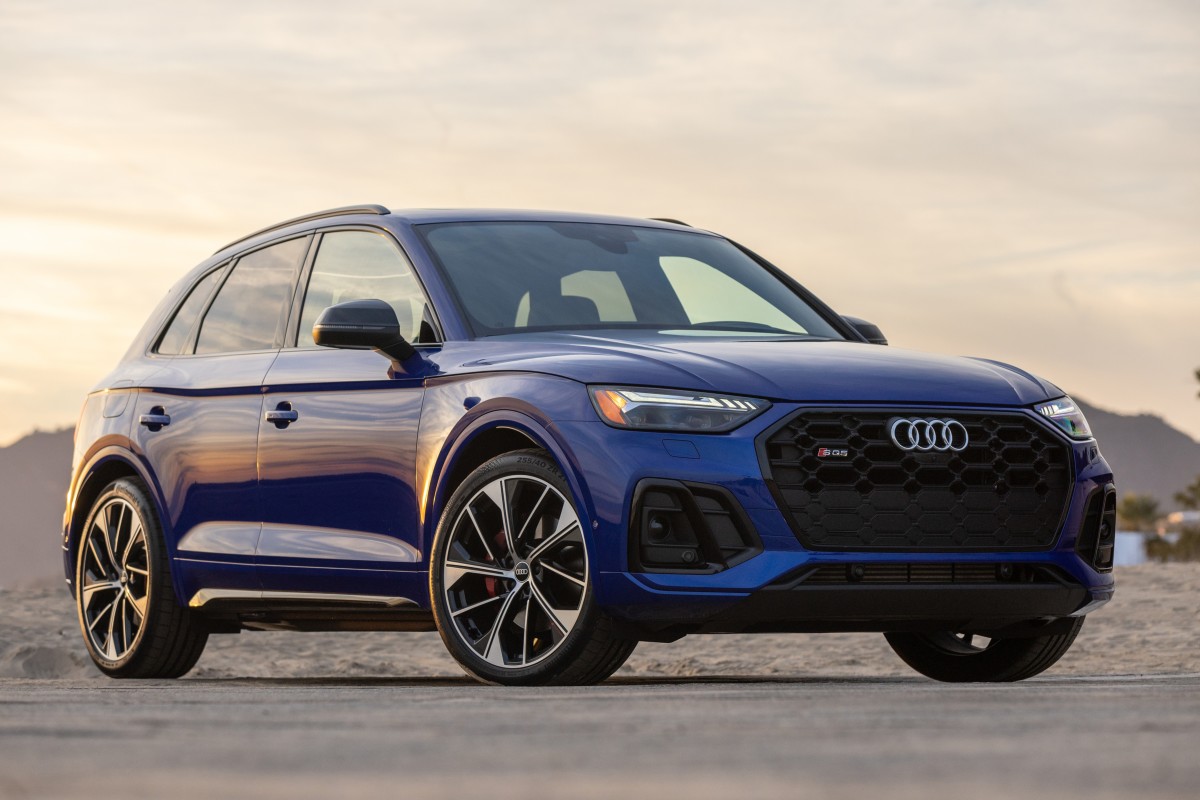
Choosing between the Audi S3 Sedan and the Audi S3 Sportback comes down to balancing cargo versatility with three-box proportions, because both variants share the exact same 333-horsepower 2.0-liter turbocharged engine, seven-speed S tronic transmission, and rear torque splitter. The Sportback offers a hatchback layout with a larger loading aperture and a shorter overall length, making it easier to park in tight urban quarters. Meanwhile, the Sedan stretches roughly 15 centimeters longer, providing a traditional trunk design and a planted stance that appeals to drivers who prefer classic compact executive styling.
Underneath the skin, mechanical parity rules out any performance penalty for picking one over the other. Both models hit 100 km/h from a standstill in roughly 4.7 seconds, utilize Audi's quattro all-wheel-drive system, and feature the same driver-focused digital cockpit. Buyers aren't choosing between speed tiers; they're deciding how their daily commute, parking situation, and lifestyle gear will interact with two distinct body shells.
Exterior Dimensions and Parking Realities
The physical footprint of each car dictates daily usability in congested cities. The Audi S3 Sportback measures about 4,354 mm in length, giving it a compact hatchback footprint that slips into smaller parallel parking spaces. That shorter rear overhang reduces the risk of scraping the bumper when reversing into tight spots.
The Audi S3 Sedan stretches to roughly 4,506 mm. That extra length changes the car's visual weight, creating a defined three-box silhouette reminiscent of larger executive cruisers. While the Sedan looks more substantial on the road, that added length demands extra care in tight parking garages. Drivers who frequently navigate narrow alleyways or compact urban structures often find the Sportback's truncated tail easier to manage.
Cargo Versatility and Practical Loading
Cargo space represents the most functional divergence between these two performance models. The Sportback features a wide-opening hatch that reveals a flexible boot area. With the rear seats upright, it holds around 325 liters, but folding the 40:20:40 split rear bench flat opens up over 1,140 liters of vertical volume. Bulky items like bicycles, flat-pack furniture, or large pet crates slide right in through the wide tailgate opening without awkward maneuvering.
The Sedan manages luggage differently. Its trunk capacity sits at roughly 370 liters, which technically edges out the Sportback's floor-to-window closed capacity on paper. However, the Sedan's restricted opening aperture limits what can actually fit inside. Stiff structural framing around the boot opening means rigid, boxy items won't clear the threshold, even if the interior volume could theoretically accommodate them. Shoppers who regularly haul long or awkwardly shaped gear will find the Sportback much more forgiving.
Driving Dynamics and Road Presence
Both cars feature identical suspension tuning, adaptive dampers, and torque-splitter technology that vector power to the outer rear wheel during hard cornering. Turn-in is sharp, body roll is tightly controlled, and the front end bites hard into apexes.
Weight distribution and aerodynamic profiles create subtle differences at high highway speeds. The Sedan's elongated rear deck creates a slightly different aerodynamic wake, contributing to a planted, calm feel during high-speed autobahn cruising. The Sportback, sharing its roots with the Audi A3 hatchback lineup, feels slightly more playful and rotation-happy when flicked through successive tight corners due to its shorter wheelbase and marginally lighter rear mass.
Interior Space and Passenger Comfort
Front-row occupants experience an identical environment in both vehicles. Deeply bolstered sport seats, a flat-bottom steering wheel, and the 10.1-inch MMI touchscreen create a high-tech cockpit. Rear-seat legroom is nearly identical because both cars share a core platform architecture.
Headroom in the rear differs slightly. The Sportback maintains its roofline further back before sloping down, granting rear passengers a fraction of an inch more headroom than the Sedan's fastback-style sloping roof. Taller adult passengers sitting in the back on long road trips will notice this subtle difference in vertical clearance.
Common Mistakes When Choosing
- Ignoring loading aperture shape: Buyers often look only at liter metrics, assuming the Sedan's higher numerical trunk capacity makes it better for hauling. In reality, the Sportback's hatch opening handles awkward boxes and gear much better.
- Assuming performance differences: Some shoppers think the Sedan is heavier or slower. In practice, weight differences are negligible, and straight-line performance is identical.
- Overlooking garage constraints: Failing to measure garage depth can cause headaches with the Sedan, whereas the shorter Sportback fits easily into tight residential parking spaces.
Frequently Asked Questions
Do the Audi S3 Sedan and Sportback share the same engine?
Yes. Both variants run the same 2.0-liter turbocharged four-cylinder engine producing 333 horsepower and 420 Nm of torque, paired with a seven-speed dual-clutch S tronic transmission.
Which model has better resale value?
Resale performance depends heavily on regional preferences. Markets in North America and parts of Europe favor sedans, while European and urban markets strongly prefer hatchbacks and Sportbacks.
Can you fit a child safety seat easily in both cars?
Yes, but loading bulky child seats and matching strollers is generally easier in the Sportback due to the wide-opening rear hatch compared to the narrow trunk opening of the Sedan.
Is fuel economy different between the two?
Fuel consumption figures are practically identical because their aerodynamic drag coefficients and powertrain weights match closely. Expect combined figures hovering around 8.0 to 8.5 liters per 100 kilometers under mixed driving conditions.