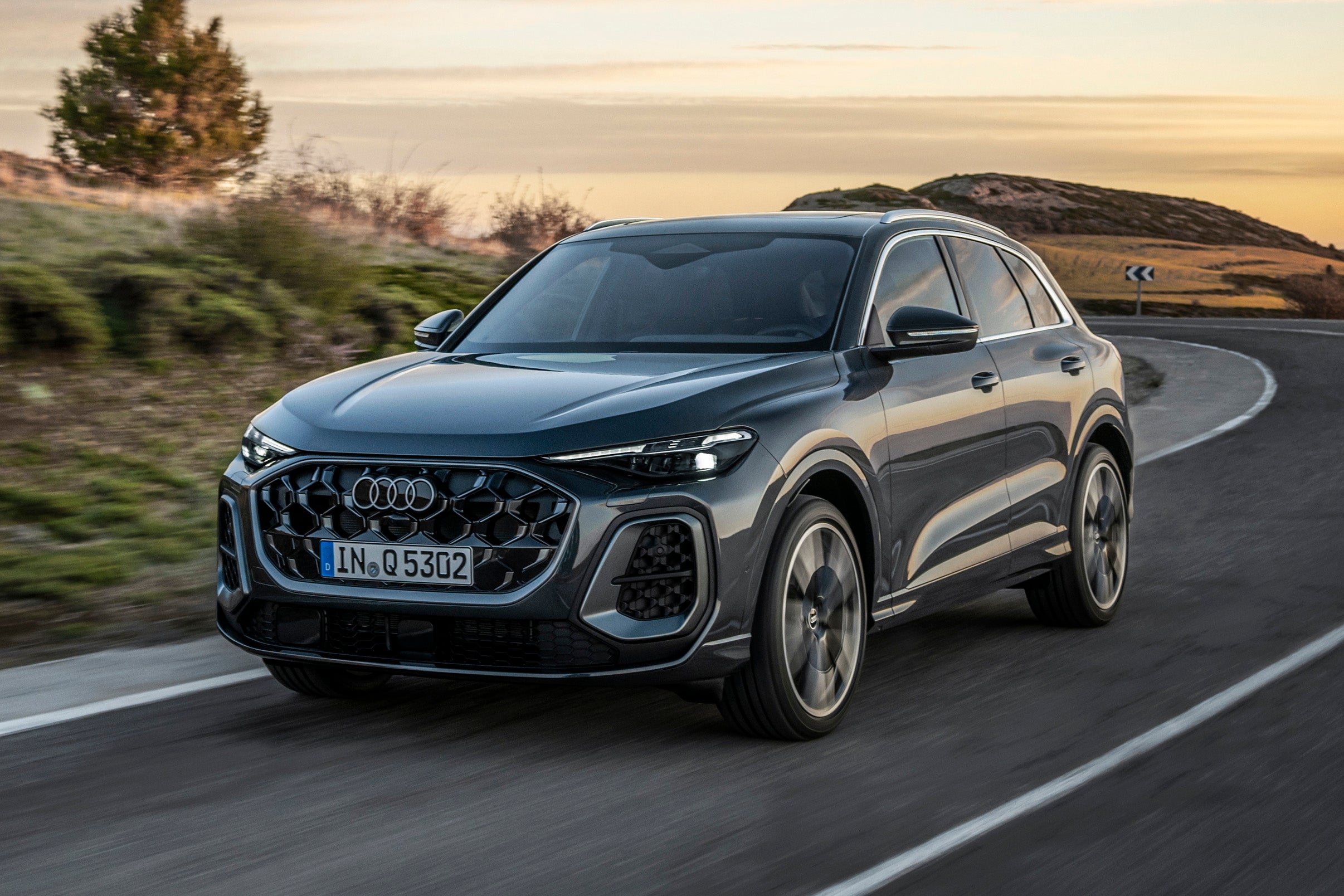
Toggling your Audi Q5 into sport mode takes just one quick pull of the gear selector or a tap on the center console. When you're driving a luxury compact SUV, standard daily commuting often prioritizes fuel economy and smooth, seamless gear shifts. Switching to the vehicle's sport configuration completely alters its personality, transforming a calm family cruiser into a responsive, eager machine.
Understanding how this system works helps you get the most out of your vehicle without burning unnecessary fuel or wearing down components. Let's look at how the mechanism operates, what changes beneath the hood, and how to use it effectively.
What Happens When You Engage Sport Mode
Many drivers assume that sport mode is just a marketing gimmick, but it alters several mechanical and electronic parameters simultaneously. When you shift from standard Drive (D) to Sport (S), your Q5's computer remaps its operating logic.
- Shift Points: The transmission holds onto gears significantly longer before upshifting. This keeps the engine operating in its optimal power band, ensuring maximum horsepower is instantly available when you press the accelerator pedal.
- Throttle Mapping: The electronic accelerator pedal becomes much more sensitive. A minor movement of your foot yields a faster, more aggressive response from the engine.
- Downshift Aggressiveness: When you brake entering a corner, the transmission drops down gears sooner to assist with engine braking and set you up for a quick exit out of the turn.
If your Q5 is equipped with Audi Drive Select and adaptive dampers, selecting a dynamic profile alters the steering weight and suspension stiffness alongside transmission behavior. The steering feel grows heavier to provide better feedback at high speeds, while the chassis firms up to minimize body roll in tight corners. You can explore the official Audi USA portal to check specific trim capabilities.
How to Trigger Sport Mode in Your Audi Q5
Activating this setting is straightforward, though the exact method depends on your Q5's model year and shifter design.
- The Gear Lever Pull: For most traditional electronic shifters, you simply pull the leather knob straight back once while the car is in D (Drive). The instrument cluster will change from D to S. Pulling it back a second time toggles it back to regular drive.
- The MMI Touchscreen or Drive Select Button: If your Q5 utilizes a push-button layout or a console toggle switch, press the Drive Select button or navigate to the vehicle settings on the central MMI display. From there, select Dynamic mode to invoke the sportiest calibration available.
- Using Individual Mode: If you prefer a heavier steering feel without the aggressive high-rev shifting, configure Individual Mode via the infotainment screen to mix and match settings. You can set the engine and transmission to efficiency or comfort while keeping the steering in dynamic.
Driving Scenarios Where Sport Mode Shines
You don't need to drive recklessly to enjoy the benefits of sport mode. It serves very practical purposes during specific driving maneuvers.
- Merging onto Fast Highways: When you face a short slip road and need to match fast-moving freeway traffic quickly, sport mode eliminates the lag associated with eco-friendly gear ratios.
- Passing on Two-Lane Roads: Overtaking slower farm vehicles or trucks requires short bursts of acceleration. Being in the correct power band instantly cuts down passing time.
- Navigating Mountain Passes: Winding uphill roads demand sustained torque and engine braking on the way down. Sport mode prevents the transmission from constantly hunting for high, fuel-saving gears.
For more details on vehicle capabilities, you can read up on engineering overviews provided by resources like Car and Driver.
Common Mistakes to Avoid
Using performance settings incorrectly can lead to frustrating driving dynamics or excessive fuel consumption. Keep these pitfalls in mind:
- Leaving it on in Heavy Traffic: Crawling through stop-and-go city gridlock in sport mode makes the throttle overly twitchy. The car wants to lunge forward, making smooth braking and gentle acceleration difficult.
- Forgetting About Fuel Economy: Holding higher RPMs burns more fuel. Don't leave the vehicle in S on long highway road trips unless you enjoy frequent fuel stops.
- Ignoring Cold Engines: Let your engine oil reach normal operating temperatures before demanding high RPMs from sport settings. Revving a cold turbocharged engine hard increases internal wear.
Frequently Asked Questions
Can I switch between Drive and Sport while driving?
Yes, you can toggle between D and S on the fly at any speed without pulling over or damaging the transmission. The onboard computer matches the revs smoothly as it transitions.
Does sport mode damage the Q5 transmission?
No. The transmission is engineered to handle higher operating temperatures and elevated shift points safely. It stays well within safe thermal and mechanical limits.
Why does my Q5 default back to Drive every time I start it?
Government fuel economy and emissions testing regulations require vehicles to start in their most efficient default mode. Because sport mode consumes more fuel, the car resets to standard D whenever you cycle the ignition.
Is Dynamic mode the same thing as Sport mode?
Not quite. Sport mode (S) primarily alters transmission shift points and throttle response. Dynamic mode via Audi Drive Select changes transmission behavior alongside steering weight, suspension dampening, and quattro torque distribution (if equipped).



