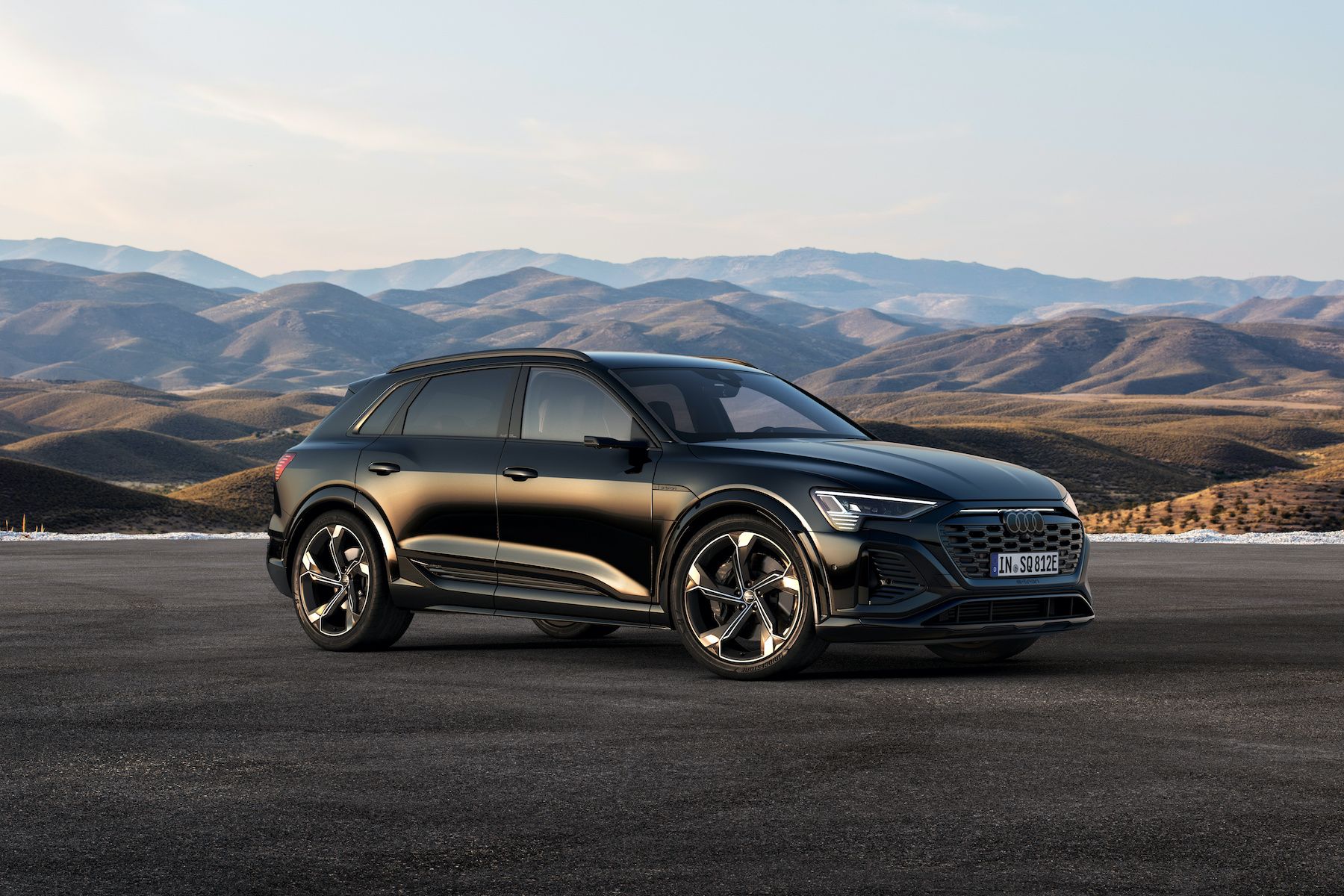
The Audi A3 8P generation remains a defining benchmark for compact luxury. Built from 2003 through 2013, with a major facelift arriving in 2008, the five-door Sportback variant fitted with the S Line trim package strikes a rare balance. It offers daily hatchback practicality, tight handling, and a timeless silhouette that still turns heads. Yet, buying one today requires looking past the sharp badges and sporty bumpers. Years of varied maintenance histories mean that picking the wrong engine or a neglected dual-clutch transmission can turn a bargain luxury car into a financial sinkhole.
This evaluation breaks down what makes the A3 8P Sportback S Line endure, which mechanical gremlins to hunt for during a test drive, and how to pick the right variant on the used market. Whether you're eyeing an early EA113 2.0 TFSI or a late common-rail diesel, knowing the platform's weak points changes everything.
Design Heritage and S Line Upgrades
Audi didn't just slap badges on the S Line package; it fundamentally altered the stance and tactile feel of the A3. The Sportback body style added 68 millimeters of length over the three-door model, drastically improving rear passenger headroom and cargo utility without sacrificing the crisp rear overhang.
The S Line exterior treatment introduced deeper front and rear bumpers, a distinct grille treatment, subtle side skirts, and a roof spoiler that visually lowers the car. Inside, S Line models received bolstered sports seats wrapped in leather and cloth, a perforated leather steering wheel, brushed aluminium or piano black trim inlay options, and a black headliner that gave the cabin a dark, cockpit-like atmosphere.
Beneath the bodywork, the S Line chassis package dropped the ride height by 25 millimeters and stiffened both the spring rates and anti-roll bars. While this sharpens turn-in and body control on smooth tarmac, it introduces a firm ride that highlights worn-out suspension bushings on neglected examples. For more background on how Audi engineers these platforms, you can check resources from Audi USA.
Engine Options and Performance Realities
The A3 8P lineup featured a vast array of powerplants, but three dominant choices populate the used market for S Line buyers.
The 2.0 TFSI (EA113 and EA888)
Early S Line models (roughly 2005 to 2008) utilized the EA113 belt-driven 2.0 TFSI, prized by enthusiasts for its robust forged internals and massive tuning headroom. Later facelift models transitioned to the EA888 chain-driven unit. Both engines deliver punchy mid-range torque, but they demand aggressive preventive maintenance. Direct injection means fuel doesn't wash over the intake valves, leading to heavy carbon buildup by 80,000 miles that requires walnut blasting. Furthermore, the EA113 is notorious for high-pressure fuel pump (HPFP) cam follower wear, while the early EA888 units can suffer from excessive oil consumption due to poorly designed piston rings.
The 2.0 TDI Common Rail
For high-mileage commuters, the 2.0 TDI—particularly the post-2008 common-rail variants (engine codes like CBBB or CFFB)—offers exceptional fuel economy and effortless torque. Paired with the S Line kit, it makes an ideal long-distance cruiser. However, these engines live and die by their emissions equipment. Urban stop-start driving quickly chokes the Diesel Particulate Filter (DPF) and fouls the EGR valve. Always confirm that a diesel candidate sees regular highway runs to clear the exhaust system.
Transmission Choices: Manual vs. S Tronic
Many S Line models feature the 6-speed manual or the S Tronic dual-clutch automatic (known globally as DSG). The manual boxes are generally bulletproof. The wet-clutch 6-speed S Tronic (DQ250) is quick and engaging, but it requires fluid and filter changes every 38,000 miles (60,000 km). Skipping this service leads to mechatronic unit failure, erratic shifting, and four-figure repair bills. Facelift models with lower-output engines sometimes received the 7-speed dry-clutch DQ200, which is historically more prone to clutch pack shudder and electronic control failures.
Common Mechanical Failures to Inspect
Before handing over cash for an A3 8P, verify whether the previous owner addressed these recurring trouble spots:
- Front Lower Control Arm Bushings: The rear rubber bushings on the front suspension flatten and tear, resulting in vague steering, clunking over bumps, and uneven inner tire wear. Replacing them requires swapping the entire arm assembly.
- PCV Valve Ruptures: On petrol models, the positive crankcase ventilation valve frequently fails, causing erratic idles, boost leaks, and whistling noises under the hood.
- Timing Component Wear: Whether dealing with the belt on the EA113 or the tensioners on the chain-driven variants, neglected timing maintenance results in catastrophic interference engine failure. Check service records meticulously.
- Door Lock Actuators: A minor annoyance shared across the VAG platform is the central locking microswitch failure, which leaves rear doors refusing to unlock via the key fob.
For broader perspective on automotive engineering standards and safety recalls, consult documentation provided by the National Highway Traffic Safety Administration.
Frequently Asked Questions
Is the Audi A3 8P Sportback S Line expensive to maintain?
Maintenance costs sit slightly higher than a standard Volkswagen Golf or Jetta because of Audi-specific body panels, interior trim, and stiffer suspension components. Independent specialist shops keep labor rates manageable, but cheaping out on parts usually backfires.
How can I tell if an S Line model is genuine?
True factory S Line cars feature specific door sills, steering wheel badges, bumper profiles, and specific interior option codes on the build sticker located in the spare tire well. Many owners add aftermarket body kits, so checking the vehicle identification number (VIN) with an Audi dealer decoding tool is foolproof.
Does the 8P Sportback ride too harshly for daily driving?
The S Line suspension lowers the car and stiffens damping significantly. On smooth highways, it feels planted and athletic. On broken urban tarmac with potholes, it can feel jittery, especially when paired with 18-inch low-profile wheels.
What is the best engine choice for reliability?
If you want petrol performance, a well-documented late-model EA888 or a meticulously maintained EA113 works well, provided you budget for carbon cleaning and cam follower inspections. For pure longevity with minimal fuss, a post-2008 common-rail 2.0 TDI manual is hard to break, assuming it escapes city-driving DPF choke-holds.



