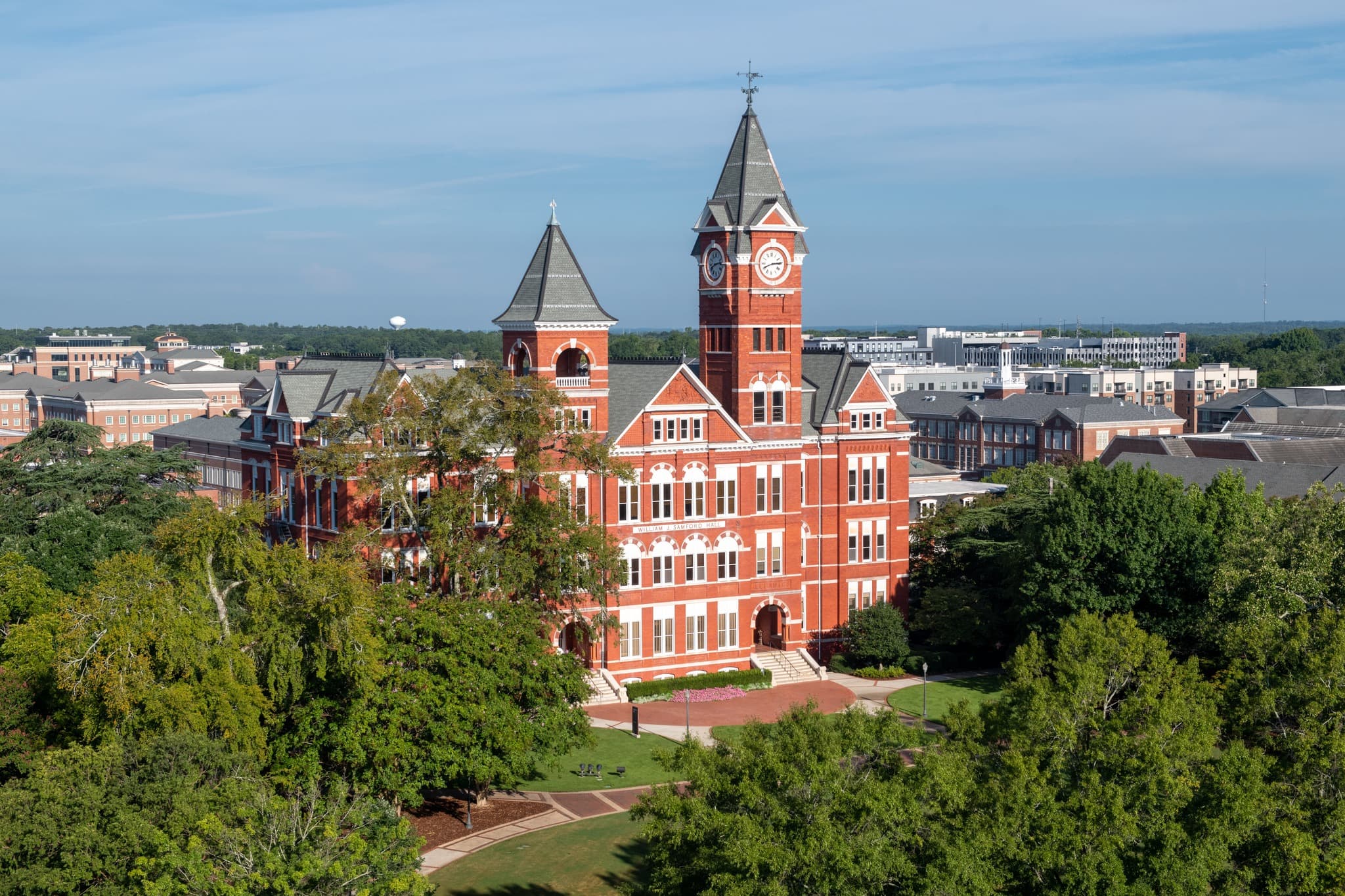
When you look at the Auburn population, you see a fast-growing southern college town driven heavily by student enrollment, academic professionals, and families looking for a strong public school system. Home to Auburn University, the city balances a vibrant, youthful energy with quiet suburban neighborhoods. If you're wondering who actually lives here, you have to look past simple headcounts and examine the age distribution, racial composition, and economic patterns that shape daily life in this Alabama hub.
Official estimates place the population of Auburn, Alabama at roughly 80,594 residents, marking a steady climb from the 76,143 recorded during the 2020 Census. Unlike many rural towns in the region, Auburn experiences consistent year-over-year growth. That expansion comes with unique challenges, including rapid housing development, shifting traffic patterns, and a local economy heavily tied to the academic calendar. Let's break down who makes up this community, how the city functions day-to-day, and what living here actually looks like.
Age Distribution and the Student Factor
The median age in Auburn sits significantly lower than the national average, hovering around 22 to 24 years old. You can trace this directly to the massive presence of Auburn University students. Tens of thousands of young adults flood the city every August, renting apartments near campus and transforming commercial districts.
Permanent Residents vs. Students
While students dominate the population metrics for a good portion of the year, a substantial population of permanent residents calls Auburn home year-round. This group includes:
- University faculty and long-term administrative staff.
- Professionals working in healthcare, technology, and remote corporate jobs.
- Families drawn to the area by top-tier public schools.
- Retirees who want access to college-town amenities, sports, and cultural events.
This split creates two distinct rhythms in the city. During football season and spring semester, the energy is electric and crowded. During summer break, the city slows down, traffic eases up, and local businesses adjust to a quieter pace.
Racial and Ethnic Composition
Diversity in Auburn continues to evolve alongside its growth. The demographic makeup reflects a mix of long-standing regional heritage and an influx of international students and professionals associated with the university.
According to data from the U.S. Census Bureau, the racial breakdown of the city sits roughly at:
- White: ~65.7% of the population
- Black or African American: ~17.0%
- Asian: ~8.5%
- Hispanic or Latino: ~5.4%
- Multiracial and Other: ~3.4%
The higher-than-average Asian population—relative to neighboring towns in Alabama—stems largely from international academic recruitment, research partnerships, and tech sector hiring connected to the university.
Housing, Income, and Cost of Living
Growth brings rising costs. Housing demand in Auburn is fierce, pushing developers to build apartment complexes near downtown and single-family subdivisions further out toward Farmhike and Chewacla State Park.
Median household incomes sit higher than the state average for Alabama, bolstered by university jobs, engineering firms, and healthcare providers like the East Alabama Medical Center. However, renters face steep competition. Because students lease thousands of units on rigid academic cycles, finding a long-term lease outside that cycle takes careful planning. Property taxes remain relatively moderate, which keeps families moving into local neighborhoods despite rising home prices.
Common Misconceptions About Living in Auburn
People often look at a college town's population numbers and misunderstand what daily life looks like outside of campus. Here are a few realities worth noting:
- It's not just a ghost town in the summer: While students leave, thousands of graduate students, researchers, and local families stay. Summer brings outdoor recreation at local parks and a more relaxed local community.
- Traffic is hyper-localized: Congestion isn't an all-day, every-day problem like it is in major metros. Instead, traffic spikes heavily around game days, move-in week, and local school drop-off times.
- It's more than football: While Auburn University athletics consume the local culture in the fall, the city features a thriving arts scene, community theater, local farmers markets, and extensive outdoor green spaces.
Frequently Asked Questions
How much does the Auburn population fluctuate during the year?
During peak academic semesters, the population swells significantly due to the addition of over 30,000 university students. When classes aren't in session, the city loses a noticeable portion of its transient student population, making local traffic and restaurant wait times much more manageable.
Is Auburn a good place for families to settle?
Yes. The local public school system consistently ranks among the best in Alabama. Families find plenty of youth sports leagues, neighborhood parks, and community programs tailored to children and teenagers.
How does Auburn's growth compare to neighboring cities?
Auburn grows at a much faster rate than many surrounding rural areas in Lee County. While neighboring Opelika shares a close economic and geographic bond with Auburn, Auburn's population skews younger and is more heavily driven by university expansion.
What industries support the permanent population outside of the university?
Beyond higher education, key employment sectors include healthcare services, light manufacturing, hospitality, professional engineering firms, and remote technology work enabled by strong local broadband infrastructure.



