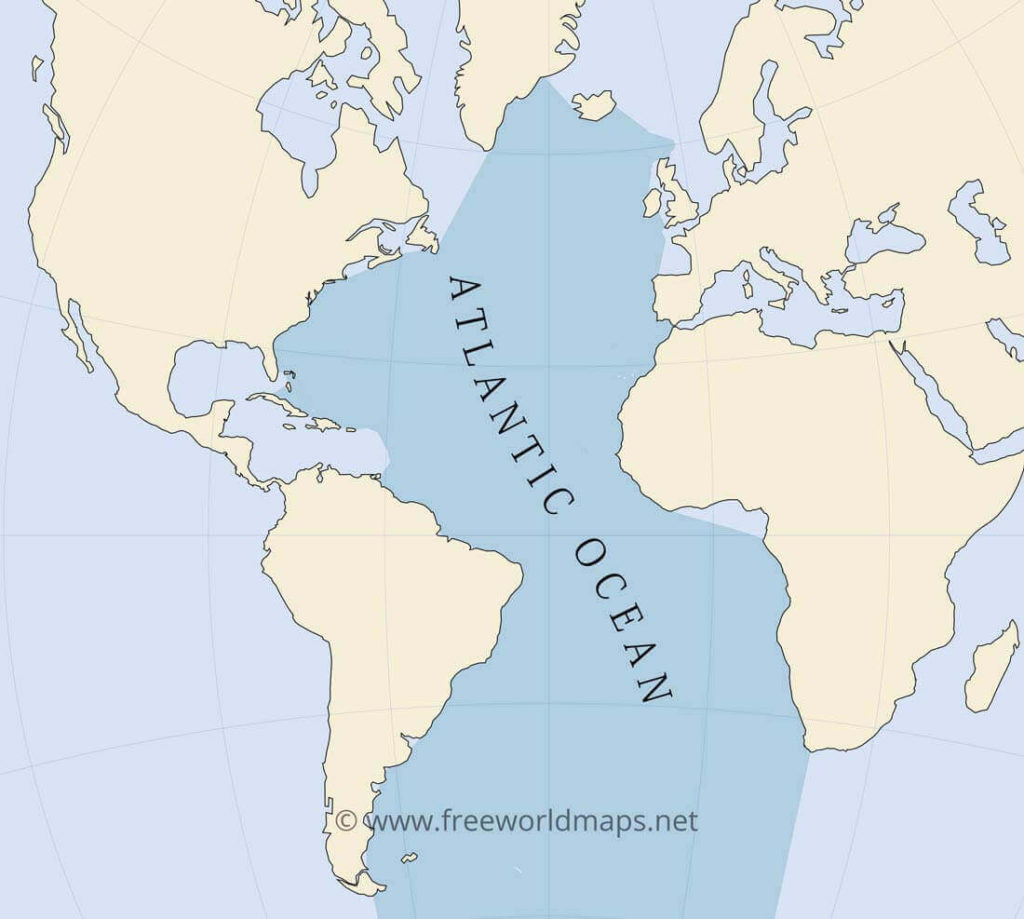
The eastern seaboard of the United States anchors a massive share of the national GDP, driven by financial juggernauts, tech hubs, and major shipping ports. At the same time, these communities face unprecedented environmental vulnerabilities that test municipal budgets and infrastructure resilience. Understanding this corridor requires looking past simple geography to see how commerce and climate risk collide.
From Boston down to Miami, the coastal corridor operates as a dense network of high-value markets. Financial services in New York, government contracting in the Washington D.C. metro area, and booming population centers across the Southeast create an unmatched concentration of wealth and productivity. Yet, this exact geographic alignment places millions of residents and billions of dollars in real estate directly in the path of rising sea levels and intensified storm cycles.
The Economic Architecture of the Seaboard
The economic gravity of the Atlantic seaboard stems from deep-water ports, dense population clusters, and historical trade routes. New York remains the financial capital, while secondary and tertiary markets specialize in logistics, biotechnology, and corporate services. This concentration creates specialized regional economies that interact constantly through the Bureau of Economic Analysis reporting structures.
Financial hubs rely on continuous digital and physical connectivity, but the underlying physical infrastructure faces real threats. Ports like Savannah and Norfolk handle millions of shipping containers annually, serving as critical links for global supply chains. When extreme weather disrupts these logistics nodes, the economic shock ripples nationwide. Local governments are spending heavily to raise docks, dredge channels, and reinforce electrical grids to protect these economic engines.
Climate Frontlines and Infrastructure Pressures
Rising sea levels and more frequent tropical storms force coastal municipalities to rethink urban planning. Cities like Miami and Charleston experience tidal flooding during sunny days, a phenomenon locally known as nuisance flooding. This repetitive inundation stresses stormwater management systems and devalues property in vulnerable neighborhoods.
Municipalities are responding through large-scale engineering projects and stricter zoning laws. Engineers are installing seawalls, restoring natural salt marshes to act as buffers, and elevating critical roadways. According to the National Oceanic and Atmospheric Administration, coastal flood frequencies have accelerated significantly over the past three decades. Cities that fail to adapt face skyrocketing municipal bond yields and declining property tax bases as insurance costs soar.
The Geography of Opportunity and Demographic Shifts
Economic opportunity along the Atlantic coast isn't distributed evenly. While major metro areas attract high-wage earners and corporate headquarters, smaller coastal towns often struggle with housing affordability and seasonal economies. High housing costs push middle-income workers inland, creating sprawling commuter sheds that strain regional transit networks.
At the same time, southern Atlantic states experience massive population inflows. Retirees and remote workers move south for lower taxes and milder winters, boosting local construction and service sectors. This migration alters local political landscapes and places new demands on water supplies, energy grids, and public schools. Urban planners must balance growth with resource conservation to prevent environmental degradation.
Frequently Asked Questions
Which industries dominate the Atlantic Coast economy?
Financial services, technology, international shipping, defense contracting, and tourism form the backbone of the regional economy. Major metropolitan areas specialize in distinct sectors, such as finance in New York and biotechnology in Boston.
How are coastal cities funding climate adaptation projects?
Cities use a mix of municipal bonds, federal grants, public-private partnerships, and specialized storm utility fees. Federal funding from agencies like the Federal Emergency Management Agency helps offset multi-million-dollar infrastructure overhauls.
What causes sunny day flooding in coastal areas?
Also known as tidal flooding, this occurs when high tides reach unprecedented levels due to sea level rise, land subsidence, and lunar cycles, spilling over seawalls and bubbling up through stormwater drains without any associated rain or storm event.
Why are populations shifting toward the southern Atlantic states?
Warmer climates, relatively lower costs of living compared to the Northeast corridor, job growth in service and tech sectors, and favorable tax policies drive continuous migration toward states like North Carolina, South Carolina, and Florida.



