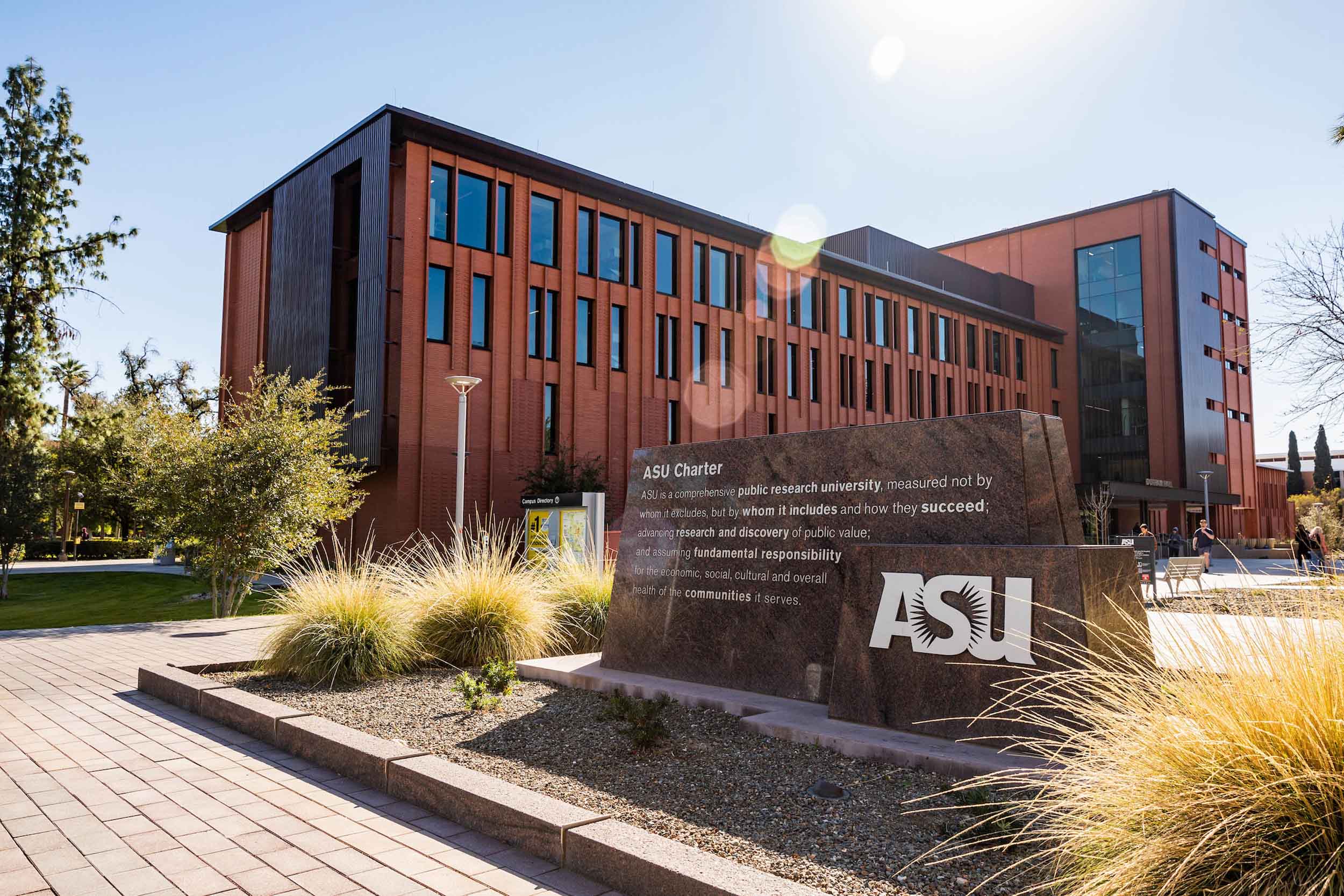
Arizona State University enrolls nearly 80,000 students across its physical campuses, making it one of the largest public universities in the United States. When separating traditional on-campus learners from online programs, the scale of physical classrooms becomes clear. The core campus immersion population sits at approximately 79,818 students, combining undergraduate and graduate levels.
Understanding how this massive student body distributes across class levels, campuses, and demographics helps applicants and researchers evaluate the university's true physical footprint.
Breakdown of On-Campus vs Online Numbers
ASU operates under a dual model. It functions as a massive digital institution through ASU Online, while simultaneously maintaining a sprawling brick-and-mortar presence across the Phoenix metropolitan area. Total systemwide enrollment across all formats exceeds 140,000 students, but the physical campus immersion framework handles a distinct subset.
- Undergraduate On-Campus Students: Approximately 65,450 students pursue bachelor's degrees primarily through physical attendance.
- Graduate On-Campus Students: Around 14,368 students are enrolled in on-site master's, doctoral, and professional programs.
- Hybrid and Mixed Learners: Thousands of students balance both worlds, taking a mix of in-person lecture halls and digital modules.
Distribution Across ASU Campuses
The physical student body doesn't congregate in a single location. ASU distributes its population across four distinct innovation hubs in the Phoenix area, plus specialized centers.
The Tempe campus hosts the vast majority of undergraduate life, athletics, and traditional Greek organizations. It accounts for the heaviest concentration of the 65,450 undergraduate total. Meanwhile, the Polytechnic campus in Mesa focuses on engineering, technology, and applied sciences with a smaller, career-technical student density.
The Downtown Phoenix campus anchors nursing, health solutions, journalism, and public service programs, drawing a dense urban student community. Finally, the West Valley campus in Glendale serves liberal arts, business, and education students in a smaller, tight-knit setting.
Demographic Composition and Class Levels
The physical student body skews heavily toward full-time enrollment, with roughly 90% of campus immersion students taking a full course load. Freshmen and sophomores make up the largest blocks of the undergraduate tier, driven by large high-school-to-college pipelines and high acceptance volumes.
Gender distribution across the physical campuses sits near an even split, shifting slightly depending on the specific college. Undergraduate programs lean close to a 51-49 male-to-female ratio, while graduate programs show similar balance. Geographic origin brings a wide mix, with roughly two-thirds of first-year arrivals coming from in-state Arizona high schools, and the remaining third coming from out-of-state or international locations.
Common Mistakes When Analyzing ASU Enrollment
Observers often misinterpret ASU statistics by confusing systemwide figures with physical headcounts.
- Mixing Online and In-Person Data: Citing the total university system output of over 140,000 students as the size of the Tempe campus leads to massive overestimations.
- Ignoring Seasonal Fluctuations: Fall census numbers represent peak enrollment. Spring numbers typically drop slightly due to graduations, dropouts, and mid-year internships.
- Overlooking Graduate Proportions: Assuming the entire university consists of 18-to-22-year-old undergraduates ignores the 14,000+ graduate cohort shaping research labs and discussion sections.
Frequently Asked Questions
How many students attend the main Tempe campus specifically?
While exact sub-campus breakdowns shift slightly each term, the Tempe campus houses the lion's share of the 79,818 overall campus immersion students, typically anchoring over 50,000 of those learners in daily classes.
Is ASU's physical student population growing?
Yes. Over the past decade, physical campus enrollment grew steadily to accommodate rising interest, though the university's fastest percentage growth remains tied to its digital wing.
What percentage of ASU students take classes entirely online?
When looking at the broader Arizona Board of Regents reporting metrics, online-exclusive enrollment accounts for a massive portion of total system enrollment, dwarfing the brick-and-mortar numbers in pure digital headcounts.
How does ASU's physical size compare to other universities?
ASU stands as one of the largest single university systems in the United States by total headcounts, and its physical campus immersion population alone rivals or exceeds the total enrollment of most traditional flagship state universities.



