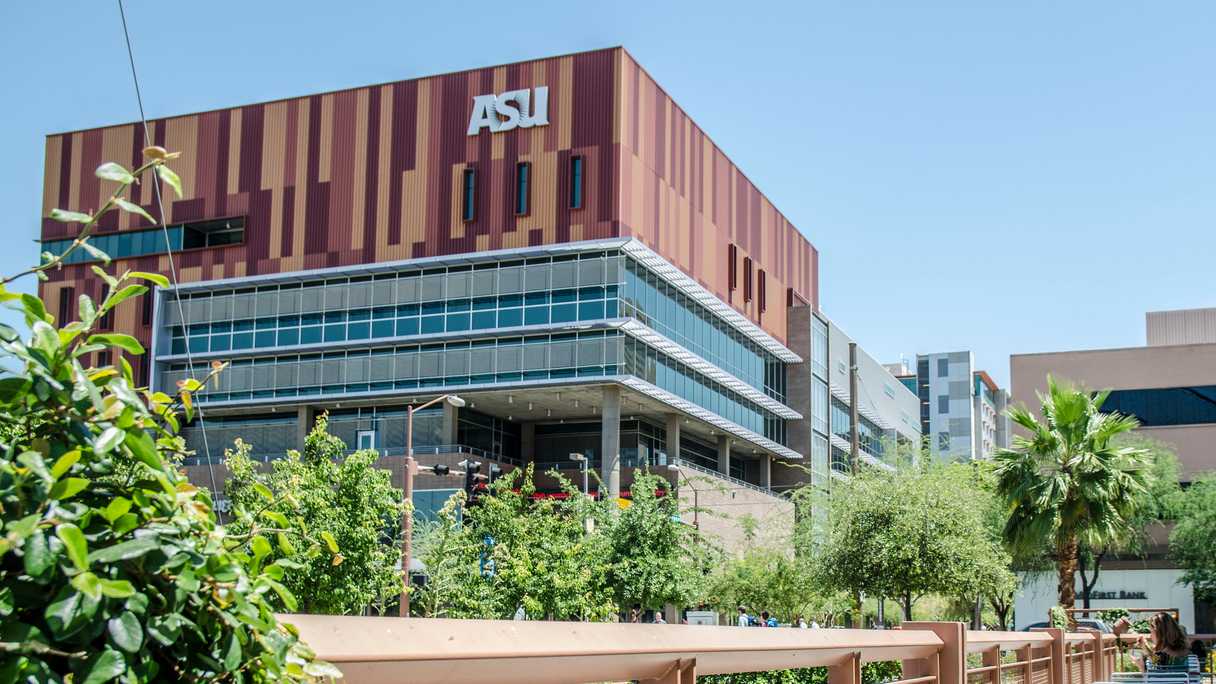
Navigating higher education with autism spectrum disorder requires more than standard accommodations. At Arizona State University, institutional efforts focus on bridging the gap between clinical research and practical, daily campus life. Programs target everything from nutritional and biomedical breakthroughs to sensory-friendly academic settings and vocational pathways, reshaping how large public universities approach neurodiversity.
True inclusion means moving past compliance checklists to build environments where autistic students, researchers, and staff find genuine structural backing. This article breaks down how current university initiatives combine scientific innovation, targeted campus support, and community inclusion to drive measurable progress.
The Pillars of Modern University Autism Initiatives
Higher education institutions are transitioning from isolated disability resource offices to interconnected network models. At Arizona State University, this is visible across multiple specialized departments, including the ASU College of Health Solutions, which houses interdisciplinary research and training teams dedicated to neurodivergent populations.
Instead of treating autism solely as a medical diagnosis, modern academic frameworks view it through a neurodiversity lens while simultaneously investigating underlying health factors. Key institutional components typically include:
- Interdisciplinary Clinical Training: Preparing future speech-language pathologists, educators, and health professionals with specialized autism coursework.
- Biomedical and Translational Research: Conducting clinical trials and studies on gut health, metabolic profiles, and aging.
- Campus-Wide Accessibility Networks: Coordinating physical, technological, and academic accommodations to eliminate barriers.
Innovation in Research: From Gut Health to Aging
Scientific progress relies on rigorous investigation. Research hubs associated with major universities tackle questions that directly affect daily functioning and long-term health outcomes for autistic individuals.
For instance, the Autism/Asperger’s Research Program led by Professor James Adams at Arizona State University has heavily researched Microbiota Transfer Therapy (MTT). Because a significant percentage of autistic children and adults experience chronic gastrointestinal distress, these clinical trials explore how altering the gut microbiome can reduce both gastrointestinal and core behavioral symptoms over multi-year periods.
Another critical frontier is neuro-aging. Work spearheaded by labs such as the Autism Brain Aging Laboratory investigates age-related cognitive shifts, examining how older autistic adults experience brain aging compared to neurotypical peers. By utilizing longitudinal MRI scans and genetic evaluations, these studies aim to establish precision medicine pathways for adults aging on the spectrum.
Support Systems and Practical Campus Inclusion
Research breakthroughs mean little if students struggle to pass classes or secure employment. Practical inclusion requires concrete, everyday support systems. Universities achieve this by integrating specialized mentorship, employment tracking, and targeted behavioral interventions.
Academic and Social Integration
Transitioning from high school to a massive public university can overwhelm anyone, but sensory sensitivities and executive dysfunction amplify these challenges. Programs often incorporate:
- Peer Mentoring Networks: Connecting incoming neurodivergent students with upperclassmen who understand campus navigation.
- Targeted Skill Interventions: Multi-component behavioral programs that combine social skills training with cognitive compensation and mindfulness-based emotional regulation.
- Sensory-Friendly Spaces: Quiet zones and low-stimulus study areas designed to prevent sensory overload between classes.
Vocational Transitions and Employment Preparation
Getting a degree is only half the battle; entering a traditional workforce presents unique hiring hurdles. Institutional studies on adult vocational experiences highlight the exact pain points job seekers face, leading to structured career readiness initiatives. Programs collaborate with regional organizations like the Southwest Autism Research and Resource Center (SARRC) to build pipelines that translate academic achievement into long-term career placement.
Common Pitfalls in University Autism Programs
Even well-funded institutions can mismanage their neurodiversity initiatives if they rely on outdated models. Watch out for these frequent missteps:
- The "One-Size-Fits-All" Trap: Treating all autistic students identically ignores the wide spectrum of individual support needs, ranging from non-speaking individuals requiring AAC devices to independent scholars needing executive functioning coaching.
- Tokenism Over True Inclusion: Designing programs for autistic students without actively consulting autistic faculty, students, and researchers during the planning phase.
- Siloed Services: Keeping disability resource centers entirely separate from academic departments, preventing faculty from understanding how to implement effective classroom accommodations.
Frequently Asked Questions
What specific therapies or medical studies are conducted through ASU autism initiatives?
Research teams focus heavily on translational science, including clinical trials on nutritional supplements, Microbiota Transfer Therapy for gut-related symptoms, and longitudinal studies tracking brain aging and memory trajectories in adults.
How do neurodivergent students access accommodations on campus?
Students typically register with the central disability resource office, providing documentation of their diagnosis. Staff then collaborate with the student and instructors to establish reasonable accommodations, such as extended test times, alternative testing environments, or assistive technology.
Are there community-focused programs for adults outside of traditional degree tracks?
Yes. Many university-affiliated teams partner with community clinics and external groups to offer adult support groups, employment surveys, vocational training guidance, and public health resources that extend beyond undergraduate enrollment.
How does interdisciplinary training help future professionals?
Programs funded by grants from organizations like the U.S. Department of Education train speech-language pathology and special education students side-by-side. This cross-disciplinary approach ensures that clinical practitioners understand both educational hurdles and communication barriers from day one.



