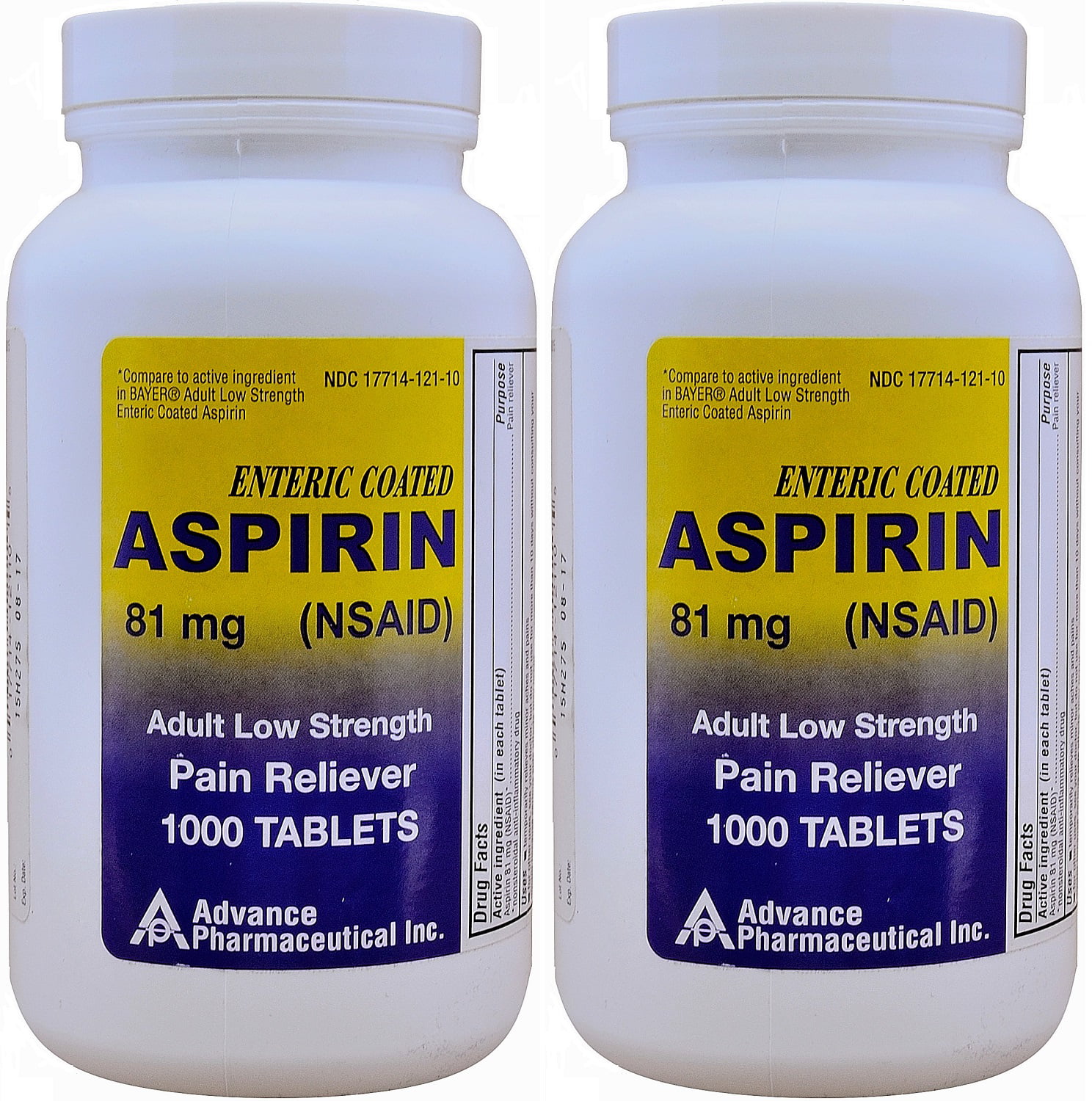
Aspirin, or acetylsalicylic acid, is one of the most thoroughly researched and widely utilized medications in modern pharmacology. Belonging to the salicylate drug class, it functions simultaneously as a non-steroidal anti-inflammatory drug (NSAID), an analgesic, an antipyretic, and an antiplatelet agent. Understanding its precise classification and diverse medical uses provides clarity on why this century-old compound remains a cornerstone of both acute symptom management and long-term cardiovascular prevention.
While modern medicine features advanced biologics and targeted therapies, aspirin maintains a vital role due to its unique mechanism of action on the arachidonic acid pathway. Whether used intermittently for a tension headache or taken daily under medical supervision to prevent secondary cardiovascular events, recognizing proper dosages, contraindications, and potential side effects ensures safe, effective application.
Pharmacological Classification and Mechanism of Action
Aspirin is chemically classified as an acetylated salicylate. As a non-steroidal anti-inflammatory drug, it differs slightly from other common NSAIDs like ibuprofen or naproxen because of how it interacts with key enzymes in the body.
The primary mechanism of action relies on the irreversible acetylation of cyclooxygenase (COX) enzymes, specifically COX-1 and COX-2.
- COX-1 Inhibition: By blocking COX-1 in platelets, aspirin prevents the formation of thromboxane A2, a substance that normally promotes platelet aggregation and blood clotting. Because platelets cannot synthesize new proteins, a single low dose of aspirin inhibits platelet function for their entire lifespan, which is approximately 7 to 10 days.
- COX-2 Inhibition: Inhibition of COX-2 reduces the synthesis of prostaglandins, which are signaling molecules that mediate inflammation, fever, and pain perception in peripheral tissues.
This irreversible binding is what separates aspirin from reversible NSAIDs and forms the biological basis for both its anti-inflammatory properties and its profound cardiovascular utility. According to the U.S. Food and Drug Administration (FDA), these dual pathways allow the drug to serve distinct therapeutic roles depending heavily on the administered dose.
Primary Medical Uses of Aspirin
Clinicians categorize the clinical applications of aspirin into distinct dose-dependent ranges, matching the therapeutic goal to the appropriate milligram strength.
Acute Pain, Fever, and Inflammation
For mild-to-moderate pain conditions—such as headaches, muscle soreness, toothaches, and joint stiffness—higher doses (typically 325 mg to 650 mg every four to six hours) are standard. By suppressing peripheral prostaglandin synthesis, aspirin reduces the pain signals sent to the central nervous system while lowering elevated core body temperatures during fevers.
Cardiovascular Disease Prevention
For cardiovascular protection, low-dose regimens (commonly 81 mg daily, often referred to as "baby aspirin") are prescribed. This low dose is sufficient to suppress thromboxane production and prevent unwanted blood clots without carrying the severe gastrointestinal bleeding risks associated with high daily anti-inflammatory doses.
- Secondary Prevention: Recommended for patients who have already experienced a myocardial infarction (heart attack), ischemic stroke, or diagnosed coronary artery disease. Clinical guidelines from the American Heart Association (AHA) emphasize that low-dose aspirin significantly lowers the risk of subsequent cardiovascular events in this group.
- Primary Prevention: The use of aspirin in healthy individuals without a history of heart disease is far more nuanced. Current clinical consensus requires careful individual risk-benefit analysis by a physician, balancing the prevention of a first cardiovascular event against the risk of gastrointestinal bleeding.
Dosage Guidelines and Administration Practices
Proper administration depends entirely on the condition being treated and individual patient health profiles.
- Low-Dose Therapy (81 mg): Taken once daily with water, typically with food or a meal to minimize gastric irritation. Enteric-coated formulations are also common, though clinical data suggests they do not entirely eliminate the risk of upper gastrointestinal injury.
- Analgesic Therapy (325 mg - 650 mg): Taken every 4 to 6 hours as needed for acute pain or fever. Patients should not exceed maximum daily limits established by prescribing information or package labeling, generally capped around 4,000 mg per day under medical direction.
Patients should never start a daily aspirin regimen without consulting a healthcare provider, especially if they take other medications or have underlying health conditions.
Potential Side Effects and Contraindications
Despite its widespread availability over the counter, aspirin is a potent pharmacological agent with well-documented risks.
- Gastrointestinal Distress: Because prostaglandins protect the stomach lining by promoting mucus secretion, inhibiting them leaves the gastric mucosa vulnerable to acid damage. Common side effects include dyspepsia, nausea, gastritis, and in severe cases, peptic ulcer disease or gastrointestinal bleeding.
- Bleeding Risk: Due to its antiplatelet effects, aspirin prolongs bleeding time. Patients may bruise more easily, experience prolonged bleeding from minor cuts, or face heightened risks during surgical procedures.
- Reye's Syndrome: Aspirin is strictly contraindicated in children and teenagers recovering from viral infections (such as influenza or chickenpox) due to the risk of Reye's syndrome—a rare but severe condition characterized by acute encephalopathy and fatty liver failure. Acetaminophen or ibuprofen are safer alternatives for pediatric fever management.
- Hypersensitivity: Some individuals experience aspirin-induced bronchospasm or severe allergic reactions, particularly those with asthma, nasal polyps, or chronic urticaria.
Frequently Asked Questions
Can I take aspirin every day for general health?
Daily aspirin is generally reserved for individuals with established cardiovascular disease (secondary prevention) or those identified by a physician as having a high 10-year risk of a heart attack. Healthy individuals without cardiovascular disease should avoid routine daily use due to bleeding risks.
What is the difference between baby aspirin and regular aspirin?
"Baby aspirin" typically contains 81 mg of acetylsalicylic acid and is formulated for cardiovascular antiplatelet therapy. Regular strength aspirin typically contains 325 mg and is designed for acute pain relief, fever reduction, and short-term inflammation management.
Is it safe to take aspirin with other pain relievers?
Combining aspirin with other NSAIDs (like ibuprofen or naproxen) increases the risk of gastrointestinal ulcers and bleeding. If you require occasional pain relief while on daily low-dose aspirin, consult your doctor or pharmacist about safer alternatives like acetaminophen.
Why shouldn't teenagers take aspirin for the flu?
Aspirin use in children and adolescents during viral illnesses has been linked to Reye's syndrome, a dangerous condition causing swelling in the liver and brain. Medical guidelines strongly advise against giving aspirin to anyone under the age of 18 for viral infections or fevers.


