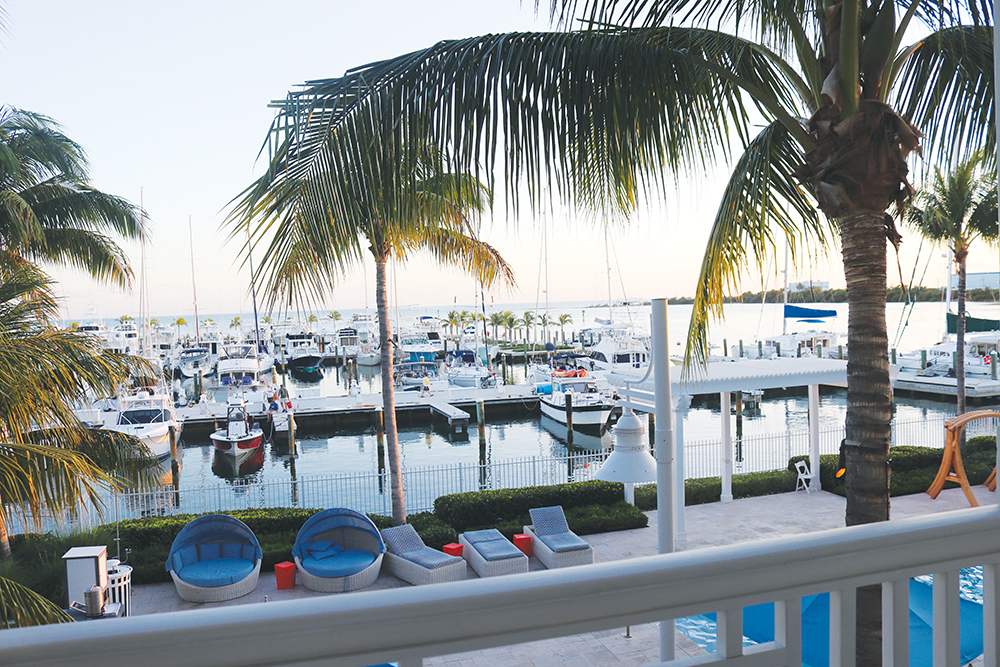
When you evaluate high-end coastal properties, names like Aspen-Barnstable frequently emerge as benchmarks for waterfront architectural design and refined property investment. Located in prime coastal regions such as Florida, this destination merges secluded natural beauty with high-end residential amenities. Buyers and investors often look past the marketing gloss to understand what makes these luxury properties unique, how sustainable engineering shapes their long-term value, and what ownership entails in practice.
Evaluating properties in this echelon requires looking past superficial descriptions to examine actual build quality, local municipal zoning, ecological preservation efforts, and true market liquidity. Whether you're researching potential acquisitions or analyzing modern architectural trends in tropical coastal zones, understanding the structural realities of developments like Aspen-Barnstable provides crucial clarity.
Architectural Design and Tropical Engineering
Building luxury residences in coastal tropical environments demands rigorous engineering to withstand high humidity, salt-water corrosion, and severe weather events. Architects working on premier waterfront estates utilize specialized reinforced concrete frameworks, marine-grade stainless steel fixtures, and impact-resistant laminated glass. These design choices ensure structural integrity without sacrificing aesthetic openness.
Floor plans typically emphasize indoor-outdoor continuity, featuring retractable glass walls that connect great rooms directly to expansive lanais and private docks. Cross-ventilation strategies reduce mechanical cooling loads, while deep roof overhangs shield interiors from intense midday solar radiation. According to The American Institute of Architects, sustainable coastal design requires continuous material performance assessments to mitigate the corrosive effects of airborne chlorides and moisture.
Sustainable Systems and Eco-Friendly Infrastructure
Modern high-end developments integrate environmental controls directly into their core infrastructure. Rather than relying solely on traditional grid power, properties in prime coastal enclaves often incorporate rooftop solar photovoltaic arrays paired with battery storage systems to maintain essential loads during grid interruptions.
Water conservation is another critical operational priority. Advanced rainwater harvesting cisterns capture precipitation for subterranean irrigation networks, while greywater recycling systems reduce overall municipal demand. These implementations align with standards set by the U.S. Green Building Council, ensuring that high-end residential communities maintain lower carbon footprints over their lifecycle.
Property Amenities and Waterfront Access
The value proposition of high-end waterfront developments rests heavily on curated resident amenities. Beyond standard fitness centers and communal swimming pools, premier properties offer direct deep-water dockage, private boat slips, and dedicated gear storage for aquatic recreation such as paddleboarding, kayaking, and scuba diving.
Management teams coordinate comprehensive concierge services, handling everything from routine mechanical maintenance to private yacht charters and event planning. This level of service ensures that owners can enjoy seamless transitions between travel periods without worrying about property upkeep or security.
Investment Fundamentals and Financial Considerations
Purchasing luxury coastal real estate involves complex financial evaluations, including property taxes, HOA dues, insurance premiums, and potential rental yields. Coastal properties often carry higher windstorm and flood insurance costs, which buyers must factor into their ongoing carrying expenses.
From an investment perspective, premier waterfront locations historically maintain strong capital appreciation due to finite geographic supply. Municipal zoning restrictions along coastlines limit new construction, protecting existing property values. Tax professionals often recommend reviewing local property tax assessments and regional economic incentives before finalizing acquisitions. Consulting resources provided by the Internal Revenue Service regarding real estate capital gains and depreciation schedules helps investors structure purchases efficiently.
Frequently Asked Questions
What security features are standard in luxury coastal properties?
Most high-end developments utilize gated perimeters, 24-hour on-site personnel, closed-circuit surveillance monitoring, and secure biometric entry systems for private residences and elevators.
How do coastal developments handle hurricane and storm surge risks?
Structures are typically elevated above base flood elevations, equipped with heavy-duty storm shutters, and built using reinforced concrete pilings designed to withstand high-velocity wave action.
What are the typical monthly maintenance costs for waterfront condos?
Monthly fees cover shared infrastructure upkeep, dock maintenance, landscaping, security personnel, and common area insurance, varying widely based on the scale of amenities provided.
Can owners rent out their properties on a short-term basis?
Rental restrictions vary by development. Some properties permit short-term luxury rentals managed through professional hospitality services, while others enforce strict minimum lease terms to preserve community privacy.


