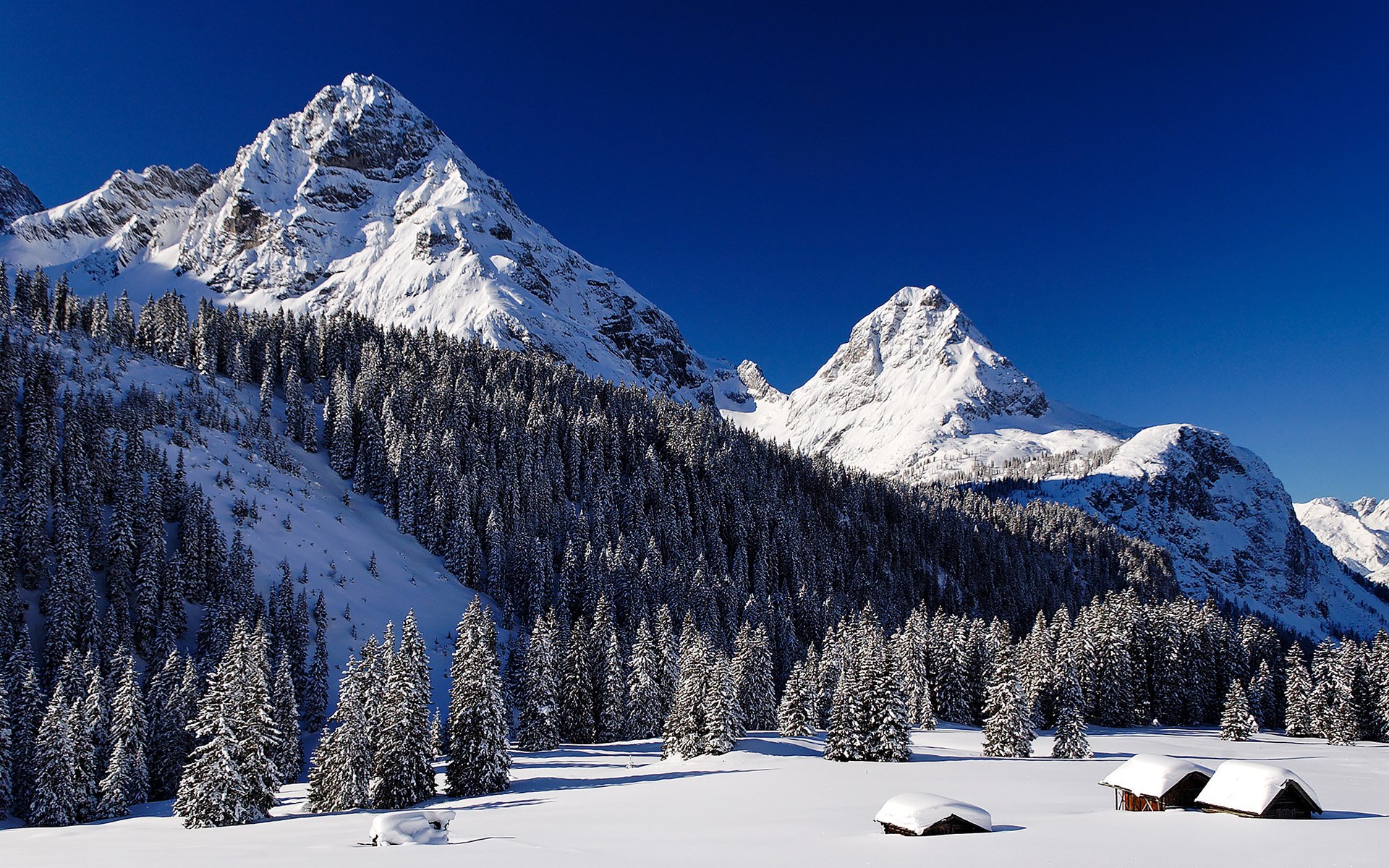
Asheville, North Carolina, sits nestled in the Blue Ridge Mountains, drawing millions of visitors who seek crisp mountain air, vibrant arts, and outdoor adventure. Travelers often encounter a curious point of confusion when planning their schedules or reading regional descriptions that mention mountain rhythms alongside East Coast clocks.
Asheville operates entirely within the Eastern Time Zone (ET), observing Eastern Standard Time (EST) in the winter and Eastern Daylight Time (EDT) in the summer. Despite its rugged peaks and alpine atmosphere, it doesn't share the time zone of the Mountain West, nor does it observe Mountain Time. Misunderstanding this distinction can lead to missed reservations at popular spots like the Biltmore Estate or late arrivals for guided hikes in the surrounding Pisgah National Forest.
Understanding how time is structured here ensures seamless trip planning, whether you're coordinating flights through Asheville Regional Airport or scheduling remote work from a downtown cafe.
Decoding the Asheville Time Zone
The confusion regarding Asheville's time zone usually stems from its geography. When people hear "Blue Ridge Mountains," they often mentally associate high-elevation terrain with the Mountain Time Zone found further west in states like Colorado or Montana.
However, political and geographic boundaries place all of North Carolina, including its western mountain counties, in the Eastern Time Zone. Daylight Saving Time begins on the second Sunday in March and ends on the first Sunday in November, moving clocks forward or backward in sync with New York, Atlanta, and Washington, D.C.
Exact Time Offsets
- Standard Time (November to March): UTC-5 (EST)
- Daylight Saving Time (March to November): UTC-4 (EDT)
When it's noon in Chicago (Central Time), it's 1:00 PM in Asheville. When it's noon in Los Angeles (Pacific Time), it's 3:00 PM in Asheville. Keeping these offsets in mind helps prevent scheduling errors when booking cross-country travel.
Why Do People Call It Mountain Time?
Writers and marketers frequently use phrases like "Mountain Time" or "mountain rhythm" metaphorically when describing Asheville. These terms refer to the city's relaxed pace of life, outdoor lifestyle, and mountainous surroundings rather than an official timekeeping standard.
The local culture revolves around sunrise hikes, unhurried craft brewery visits, and scenic drives along the Blue Ridge Parkway. Locals and visitors alike talk about operating on "mountain time" to mean slowing down and disconnecting from urban stress, which frequently causes literal-minded travelers to double-check their smartphone clocks.
Common Planning Mistakes to Avoid
Travelers frequently run into a few predictable pitfalls when visiting western North Carolina due to time zone assumptions or geographic quirks.
Assuming Mountain Time Zone
The most common mistake is booking flights, rental cars, or check-in times assuming the city is two hours ahead of Pacific Time or one hour ahead of Central Time based on western geography. Always verify that your calendar apps and travel itineraries are set to Eastern Time.
Underestimating Travel Times in Mountain Terrain
While the clock says Eastern Time, mountain driving takes longer than highway driving in flat regions. A destination that looks thirty miles away on a map can take an hour or more to reach due to winding two-lane roads and steep grades.
Relying on Cell Service in Remote Areas
Mountain peaks and deep river valleys frequently block cellular signals. If you're relying on digital maps to navigate between trailheads, download offline maps before leaving your hotel or vacation rental.
Frequently Asked Questions
Does Asheville observe Daylight Saving Time?
Yes. Like most of the United States, Asheville springs forward in March and falls back in November, remaining aligned with the rest of the Eastern Time Zone.
How far is Asheville from the Mountain Time Zone boundary?
The closest boundary to the Mountain Time Zone is quite far west, sitting near the border between Tennessee and states further west, though all of Tennessee is in Central and Eastern time zones. You won't accidentally cross into a different time zone during a standard day trip from Asheville.
What is the best airport for flying into Asheville?
Asheville Regional Airport (AVL) serves the area directly with connections to major hubs, keeping ground transit times short compared to driving in from Charlotte or Atlanta.
How does mountain geography affect daily schedules?
Sunrise and sunset times vary slightly depending on your elevation and proximity to ridges. Ridges can block direct sunlight earlier in the evening, making twilight arrive sooner in deep valleys than standard weather forecasts indicate.



