When you spot ASA on a hospital chart, a prescription, or an over-the-counter label, you're looking at one of the most widely used abbreviations in healthcare. Most of the time, ASA stands for acetylsalicylic acid, the active pharmaceutical ingredient in aspirin. However, clinical environments also use ASA to designate surgical risk categories via the American Society of Anesthesiologists classification system. Knowing the difference keeps treatment safe and prevents costly documentation errors.
Acetylsalicylic acid works by altering how your body handles inflammation and blood clotting. It belongs to the non-steroidal anti-inflammatory drug class, though its dual ability to relieve pain and thin the blood sets it apart from many common painkillers. This guide breaks down what ASA means in different medical contexts, how doses translate to specific treatments, and why context dictates everything in modern practice.
What Does ASA Stand For in Clinical Practice?
In almost every pharmacy or cardiology department, ASA is shorthand for acetylsalicylic acid. Derived historically from willow bark compounds, this simple molecule altered modern pharmacology. It acts as an analgesic for mild pain, an antipyretic to lower fevers, an anti-inflammatory for swelling, and an antiplatelet agent to stop blood cells from sticking together.
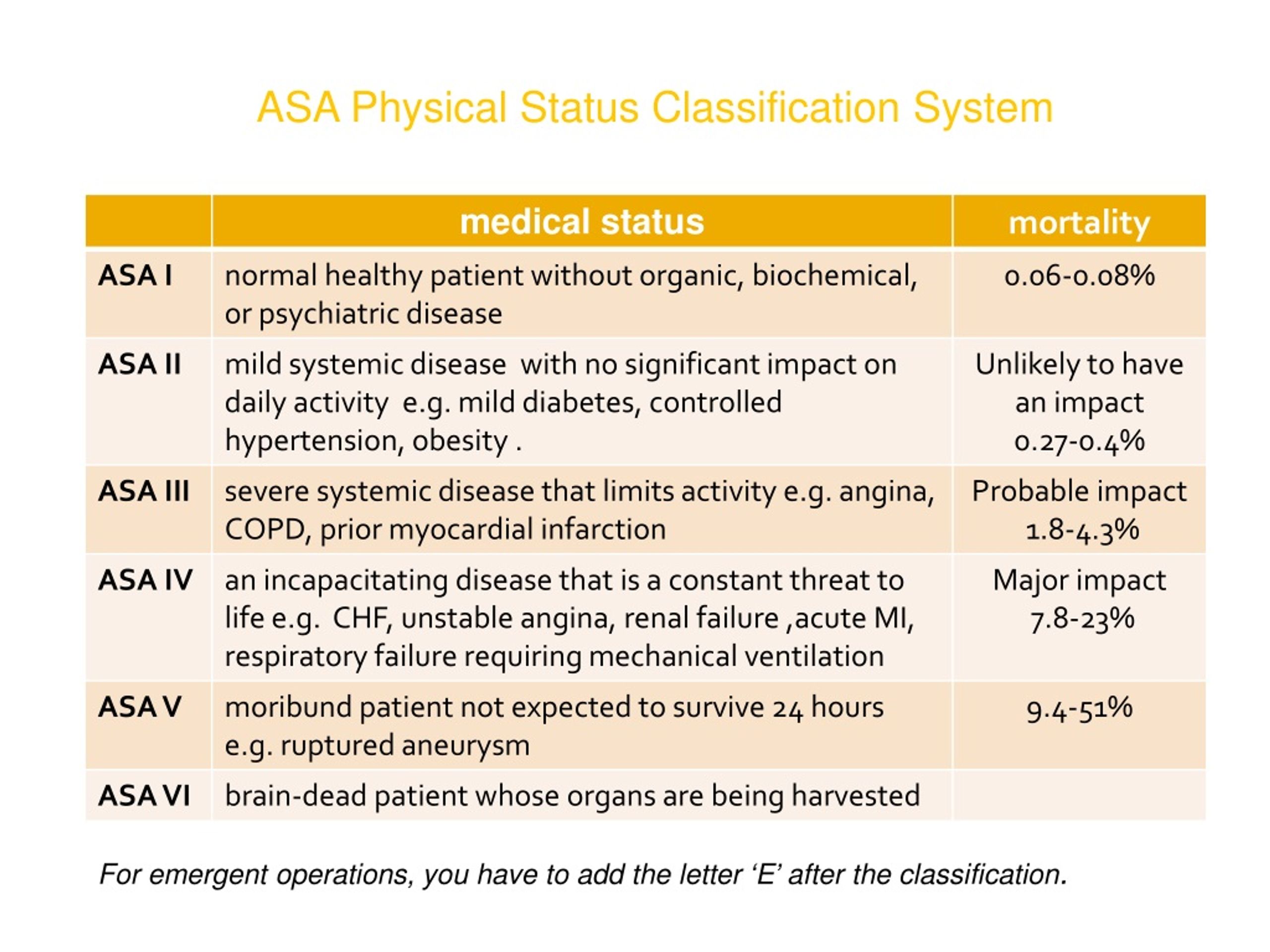
In a completely different wing of the hospital—the operating room or preoperative holding area—ASA means something else entirely. Clinicians use the ASA Physical Status Classification System to score a patient's baseline fitness before anesthesia. A chart noting "ASA II" describes a patient with mild systemic disease, while "ASA IV" indicates a severe, life-threatening systemic condition.
Confusing these two meanings on a chart can cause severe issues. A nurse reviewing pre-surgical orders must instantly recognize whether a doctor is talking about a daily medication or a surgical risk grade.
The Pharmacology: How Acetylsalicylic Acid Works
At a molecular level, acetylsalicylic acid targets cyclooxygenase (COX) enzymes. These enzymes normally manufacture prostaglandins, which are hormone-like lipids that trigger pain signals, elevate body temperature, and promote inflammation. By permanently shutting down COX-1 and modifying COX-2, ASA stops prostaglandin production at the source.
Beyond pain relief, the antiplatelet effect makes ASA a cornerstone of modern cardiology. Platelets are cell fragments that clump together to plug bleeding when blood vessels break. When acetylsalicylic acid blocks COX-1 inside platelets, it stops them from producing thromboxane A2, a chemical messenger that signals other platelets to join the clot. Because platelets can't manufacture new enzymes, a single dose of ASA disables that specific platelet for its entire ten-day lifespan. This prevents dangerous clots from forming inside narrowed coronary arteries.
Standard Medical Dosages and Their Uses
Doctors prescribe or recommend acetylsalicylic acid across a massive range of doses, depending entirely on the therapeutic goal.
- Cardiovascular Protection: Low-dose aspirin—typically 75 mg to 100 mg daily—provides enough antiplatelet action to prevent secondary heart attacks and strokes without overwhelming the stomach lining.
- Pain and Fever Management: Standard adult tablets range from 325 mg to 650 mg, taken every four to six hours as needed for headaches, muscle aches, or fevers.
- Inflammatory Conditions: Historical treatment protocols for high-inflammation states like rheumatic fever utilized aggressive daily dosing, sometimes pushing up to 4,000 mg per day under strict clinical supervision. Modern therapeutics usually favor safer targeted anti-inflammatories for chronic joint diseases, keeping high-dose ASA for specialized cases.
Risks, Side Effects, and Contraindications
Even though you can buy aspirin over the counter, acetylsalicylic acid is a potent drug with real physiological consequences.
Because prostaglandins protect the stomach lining by maintaining its mucous barrier, blocking them with ASA leaves the stomach vulnerable to erosion. Regular use frequently causes gastrointestinal irritation, ulcers, or internal bleeding. Furthermore, anyone with a known bleeding disorder, hemophilia, or an active ulcer must avoid ASA entirely.
Asthma presents another critical risk factor. Up to twenty percent of people with severe asthma experience aspirin-exacerbated respiratory disease (AERD), where taking ASA triggers acute bronchospasm and severe allergic reactions. Combining acetylsalicylic acid with prescription blood thinners like warfarin or apixaban also multiplies hemorrhage risks, requiring careful medical management.
Frequently Asked Questions
Is baby aspirin different from regular aspirin?
Chemically, baby aspirin and regular adult aspirin are identical acetylsalicylic acid. The only difference is the dosage. "Baby aspirin" typically contains 81 mg (or 75 mg) designed specifically for daily cardiovascular prophylaxis, whereas regular tablets contain 325 mg for acute pain or fever.
Can I take ASA every day without a doctor's guidance?
No. While daily low-dose aspirin was once widely recommended for routine heart disease prevention, current guidelines urge caution. Because the risk of internal bleeding can outweigh the cardiovascular benefits for healthy individuals, a physician must evaluate your personal risk profile before you start a daily regimen.
Why does ASA cause stomach upset?
By inhibiting COX enzymes, acetylsalicylic acid reduces the stomach's protective mucus layer. Without this barrier, stomach acid irritates the lining, leading to gastritis, nausea, or ulcers over time. Taking enteric-coated tablets or taking the medication with food can reduce this irritation.
What happens if a patient is allergic to ASA?
An allergy to acetylsalicylic acid typically extends to other NSAIDs like ibuprofen or naproxen. Medical charts flag this allergy carefully to prevent clinicians from accidentally administering cross-reactive pain relievers during emergency care.


