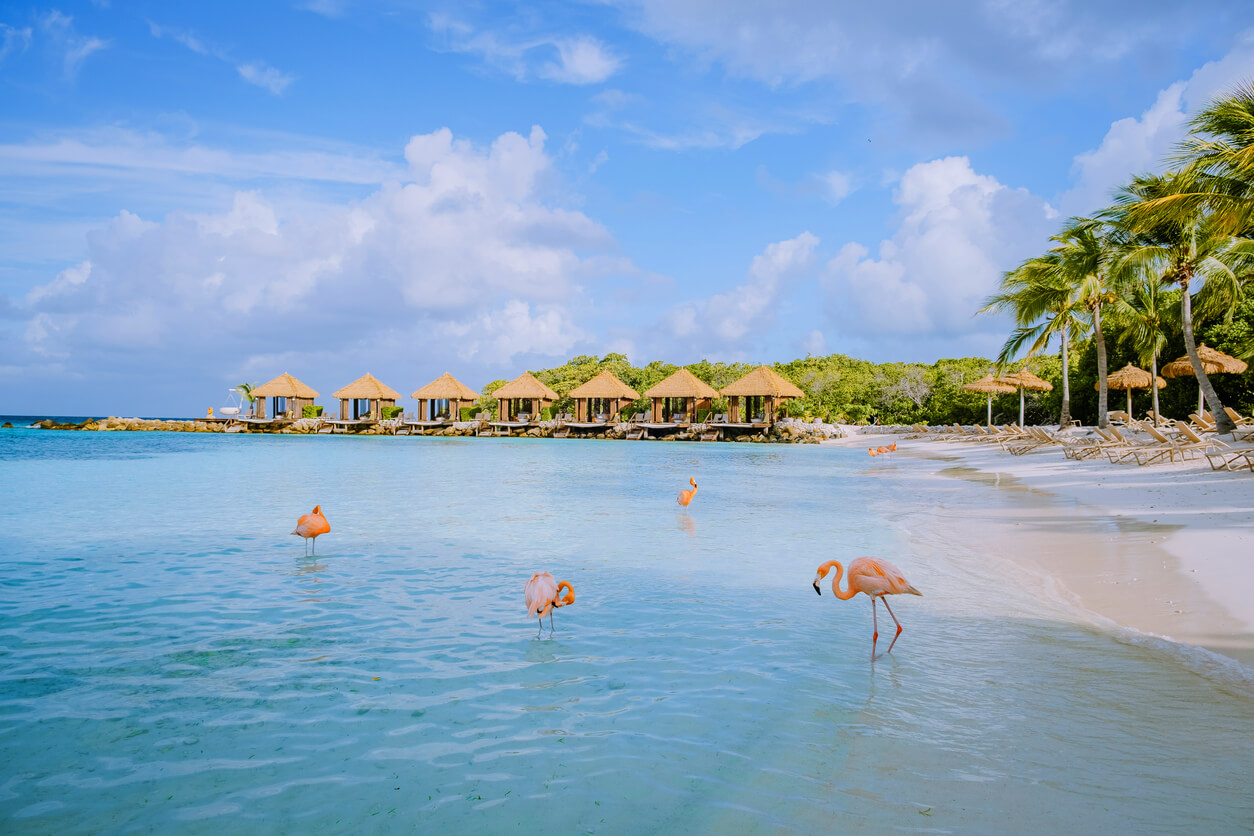
Aruba sits outside the hurricane belt, making it one of the most reliable sun-soaked destinations in the Caribbean. Trade winds keep the island at a steady eighty-two degrees year-round, while white-sand shores and clear turquoise water draw travelers looking for straightforward relaxation or active coastal sports.
Planning a trip here involves more than just booking a flight to Queen Beatrix International Airport. Knowing how to navigate the local bus system, choosing the right side of the island for your travel style, and understanding regional currency use will make your stay much smoother. This guide breaks down everything you need to know to experience Aruba without falling into common tourist traps.
Understanding the Island Layout and Geography
Aruba is small—just nineteen miles long and six miles wide. You can drive from the southern tip to the northern lighthouse in about forty-five minutes. Despite its compact size, the island features distinct micro-climates and regional personalities.
The High-Rise Strip versus Low-Rise District
Palm Beach hosts the high-rise resort corridor. High-rises mean large beachfront hotels, high-density crowds, casinos, shopping malls, and proximity to nightlife and chain restaurants. If you want a walkable resort area where you can step out of your lobby straight into a bustling beach bar, this is where you'll stay.
Eagle Beach and the low-rise district sit just south of Palm Beach. This area feels quieter, with boutique hotels and low-rise condos. The beach here is wider, famous for its iconic, windswept fofoti trees and nesting sea turtles. It's the preferred zone for travelers who want a calmer beach experience while staying close to Oranjestad.
The Rugged Windward Coast
Flip the island around, and you find Arikok National Park and the rugged eastern coast. The trade winds crash massive Atlantic waves against jagged limestone cliffs here. You can't swim on this side of the island, but exploring the natural pools, sand dunes, and caves via UTV or on foot offers a completely different perspective of Aruba's desert landscape.
Essential Travel Logistics
Getting your logistics straight before departure prevents unnecessary headaches on arrival.
Entry Requirements and ED Card
Visitors from the United States, Canada, the European Union, and several other countries don't need a visa for short stays, but everyone must complete the online Embarkation-Disembarkation (ED) Card before flying. You can fill this out on the official Aruba ED Card portal within seven days of your flight.
Money and Payments
Aruba uses the Aruban Florin (AWG), but US dollars are accepted everywhere at a fixed rate of roughly 1.77 florins to 1 USD. You don't even need to exchange currency; most vendors and restaurants will give you change in florins or dollars. Credit cards are widely accepted at hotels and restaurants, but keep some cash handy for local food trucks and bus fares.
Getting Around
Renting a car gives you maximum flexibility to explore hidden beaches and local eateries. Major international rental companies operate out of the airport. If you prefer not to drive, the Aruban public bus system, known as Arubus, runs reliable routes between hotel strips, downtown Oranjestad, and popular beaches for a few dollars a ride. Taxis are also readily available, though they charge fixed rates per destination rather than running on meters—always confirm the fare before getting in.
Top Beaches You Shouldn't Miss
Aruba's coastline is public, meaning you can walk the entire stretch of sand regardless of where you stay.
- Eagle Beach: Consistently ranked among the best beaches in the world. Wide, clean, and calm. Look for the protected turtle nests marked off by local conservation groups.
- Baby Beach: Located on the southern tip in San Nicolas. It's a man-made lagoon where the water stays shallow and calm, making it ideal for families with young children or casual snorkelers.
- Arashi Beach: Located near the California Lighthouse. Great for snorkeling, with calm waters and a small reef close to shore.
- Boca Catalina: A tiny cove nestled between Malmok and Arashi. It's a favorite spot for catamaran sailing tours to drop anchor so guests can swim with sea turtles.
Dining and Local Cuisine
Aruban cuisine blends Dutch, Spanish, African, and Caribbean influences. You'll find everything from high-end seafood restaurants to roadside snèks serving local comfort food.
What to Eat
Try keshi yena, a traditional dish of spiced meat (often chicken) stuffed inside a hollowed-out wheel of Gouda cheese and baked. For a quick snack, grab a pastechi—a fried pastry stuffed with cheese, meat, or fish—from a local bakery for breakfast. Fresh catch of the day usually includes mahi-mahi (locally called dorado), red snapper, and grouper.
Where to Eat
While the hotel strips feature plenty of international dining, venturing into Oranjestad or San Nicolas opens up authentic local spots. For official tourism dining directories and event listings, check the Aruba Tourism Authority website before you go.
Common Mistakes to Avoid
Even seasoned travelers make missteps when visiting a new island. Keep these points in mind:
- Underestimating the Sun: Aruba sits close to the equator, and the constant trade winds trick your skin into feeling cooler than it actually is. Apply high-SPF sunscreen frequently, and wear a rash guard if you're snorkeling for hours.
- Ignoring Local Etiquette: While English, Dutch, and Papiamento are spoken everywhere, greeting locals with a friendly bon dia (good morning) or bon tardi (good afternoon) goes a long way.
- Staying Confined to the Resort: Don't spend your entire vacation on a pool lounger. Rent a car, explore the art murals in San Nicolas, or hike through Arikok National Park to see the island's true character.
Frequently Asked Questions
Do I need to speak Papiamento to get around Aruba?
No. English and Dutch are official languages alongside Papiamento, and nearly everyone working in tourism speaks fluent English and Spanish as well.
Is Aruba safe for solo travelers and families?
Aruba boasts one of the lowest crime rates in the Caribbean. Standard travel precautions apply—don't leave valuables unattended on the beach—but the island is exceptionally safe for walking around day or night.
What is the best time of year to visit?
Aruba stays warm year-round, and because it sits outside the hurricane belt, you don't have to worry about the traditional Caribbean storm season. January through April brings the highest volume of visitors and peak hotel rates, while May through August offers slightly quieter beaches and lower prices.
Can I drink the tap water in Aruba?
Yes. Aruba's water is produced by one of the largest desalination plants in the world and meets strict World Health Organization standards. It is clean, cold, and entirely safe to drink straight from the tap.



