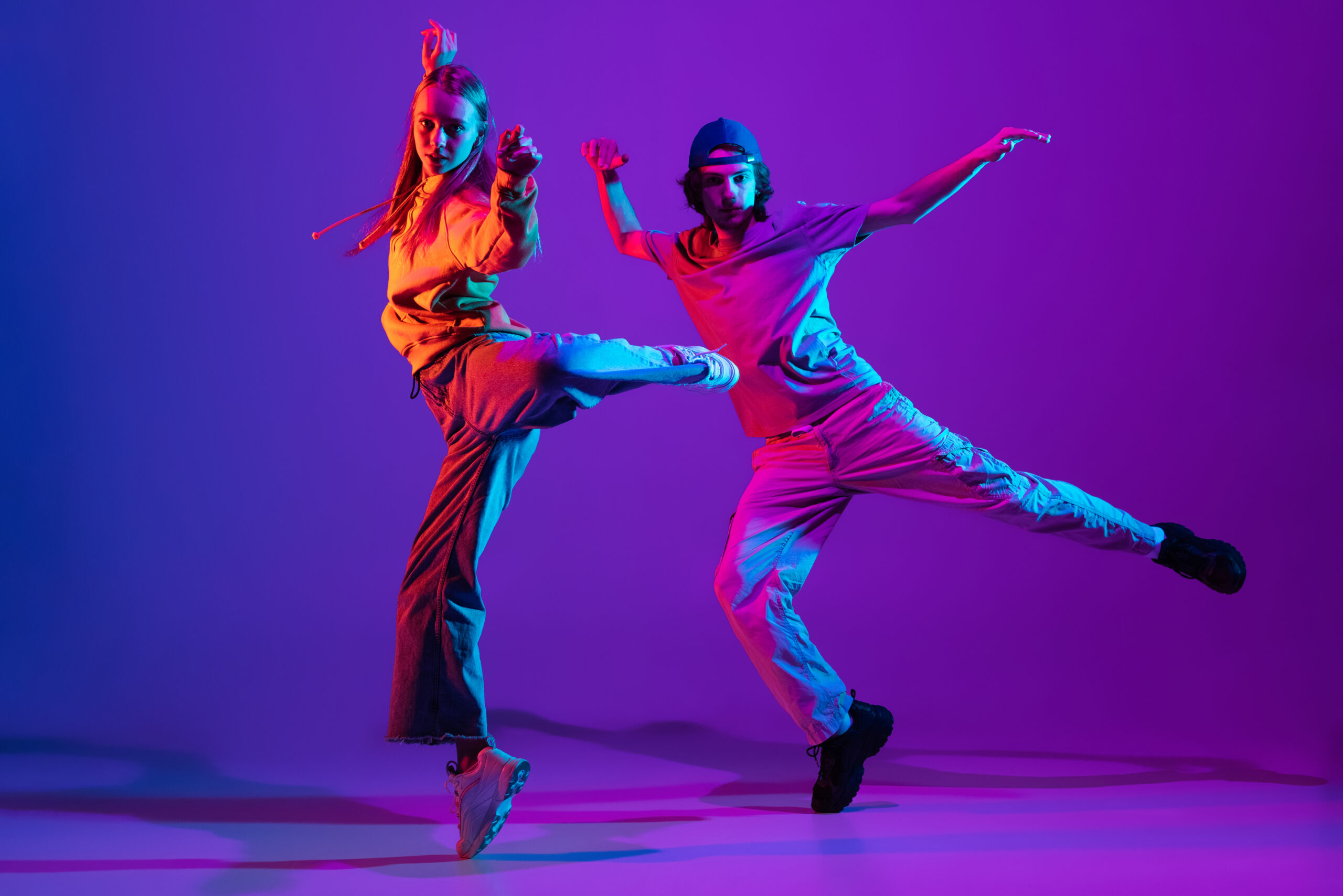
Traditional networking events often fail modern creators because they rely on shallow handshakes and transactional exchanges rather than true shared vision. When creators step into rooms designed strictly for business card collection, they leave drained instead of inspired. Artist Meet CA shifts this dynamic entirely by prioritizing authentic relationships over corporate art marketing. Led by Jamie Veronica Murdock, the initiative approaches community-building through vulnerability, shared storytelling, and cross-discipline collaboration.
Building a sustainable creative career requires more than raw talent or a strong portfolio; it requires an ecosystem of peers who understand the emotional and logistical hurdles of making things. This platform addresses the isolation common among independent painters, writers, musicians, and digital creators. By structuring gatherings around mutual exchange rather than status, the initiative transforms how local and regional art scenes operate.
The Core Philosophy Behind Artist Meet CA
Most industry mixers treat art as a commodity first and a human expression second. This framework reverses that assumption. The core philosophy centers on the idea that meaningful art grows best in environments where creators feel psychologically safe to share half-formed ideas, failures, and ongoing experiments.
Murdock recognized that independent creators frequently hit walls not from a lack of technical skill, but from isolation. Traditional guilds and high-end galleries often maintain rigid barriers, shutting out emerging voices. Artist Meet CA acts as an antidote to this gatekeeping by building fluid, horizontal networks. Creators from entirely different mediums—such as a ceramicist talking shop with an interactive media developer—find unexpected overlaps that spark new projects.
- Decentralized Support: Shifting power away from single gatekeepers and distributing resource-sharing among peers.
- Process over Product: Valuing the messy stages of creation as much as the finished exhibition piece.
- Equitable Access: Ensuring artists from marginalized or underrepresented backgrounds occupy central leadership roles in panels and workshops.
Structuring Creative Connection: What Happens at an Event
Attending an Artist Meet CA gathering looks nothing like standing awkwardly in a white-cube gallery holding warm wine. The agenda relies on active participation and structured peer engagement designed to bypass small talk immediately.
Thematic Cultural Dialogue
Instead of generic panels, events anchor around specific, pressing realities of the modern creative life. Discussions tackle topics like navigating burnout, managing copyright in digital spaces, and securing sustainable studio spaces without relying on venture-backed art tech. Expert speakers share transparent financial breakdowns or career pivot stories, stripping away the polished illusion of instant success.
Spontaneous Collaboration Pods
Interactive stations allow creators to mix skills in real time. A writer might pair up with a sound designer to workshop a narrative podcast trailer, or traditional painters might experiment with digital projection mapping. These spaces lower the friction of starting collaborative projects by providing immediate, low-stakes environments to test creative chemistry.
Traditional Mixer:
[Arrive] -> [Exchange Business Cards] -> [Small Talk] -> [Leave Disconnected]

Artist Meet CA Model:
[Arrive] -> [Thematic Panel Discussion] -> [Collaborative Pod Session] -> [Ongoing Digital Network Support]
Bridging Digital Tools and Real-World Spaces
Many modern networking platforms rely entirely on algorithms or cold messaging boards, which often lead to digital fatigue. Conversely, purely physical meetups can suffer from geographic limitations and poor post-event follow-through. Artist Meet CA balances these mediums deliberately.
Digital profiles and secure communication channels are introduced ahead of live events to help attendees break the ice beforehand. This eliminates the initial social anxiety of walking into a room full of strangers. Once the live event concludes, those same digital platforms host ongoing resource boards, equipment shares, and critique circles. This continuity ensures that momentum doesn't die the moment everyone leaves the venue.
- Pre-Event Onboarding: Optional digital introductions that match creators based on complementary project needs.
- Post-Event Repositories: Shared databases tracking grant deadlines, open calls for exhibitions, and shared studio leases.
- Regional Hubs: Localized chapters that maintain autonomy while plugging into the broader network framework.
Common Pitfalls in Creative Networking (And How This Model Avoids Them)
Many community-building projects start with high energy and fade within six months due to structural mistakes. Understanding these traps highlights why a managed, intentional framework matters.
A frequent error is allowing networking spaces to be dominated by aggressive self-promotion. When everyone pitches and nobody listens, the room collapses into noise. Artist Meet CA counters this by enforcing conversation prompts that require active listening and feedback rather than pitching.
Another mistake is failing to provide actionable takeaways. Creators are busy; spending an evening out must yield tangible value. Whether it is a connection with a reliable fabricator, feedback on a grant proposal, or a new collaborator for an upcoming show, every session targets concrete outcomes. For broader insights on how cultural spaces and communities evolve, review resources provided by organizations like the National Endowment for the Arts.
Frequently Asked Questions
Who is eligible to participate in Artist Meet CA?
The network welcomes creators across all disciplines, including visual artists, writers, musicians, filmmakers, and interactive designers. Both emerging talents and established professionals find value through cross-generational and cross-disciplinary mentorship.
Are these gatherings strictly in-person or online?
The initiative operates on a hybrid model. Local chapters host regular in-person meetups and collaborative workshops, while centralized digital platforms maintain continuous support, resource-sharing, and discussion threads between live dates.
How does the platform handle project collaboration disputes?
While the network fosters connections and initial project staging, individual collaborations operate independently. The community provides open frameworks and communication guidelines, but formal contracts and agreements remain between the collaborating artists.
Can participants share works-in-progress or only finished pieces?
The culture explicitly encourages sharing raw, unfinished work. Feedback circles are built specifically to support experimentation and creative pivots long before a project reaches a commercial stage.