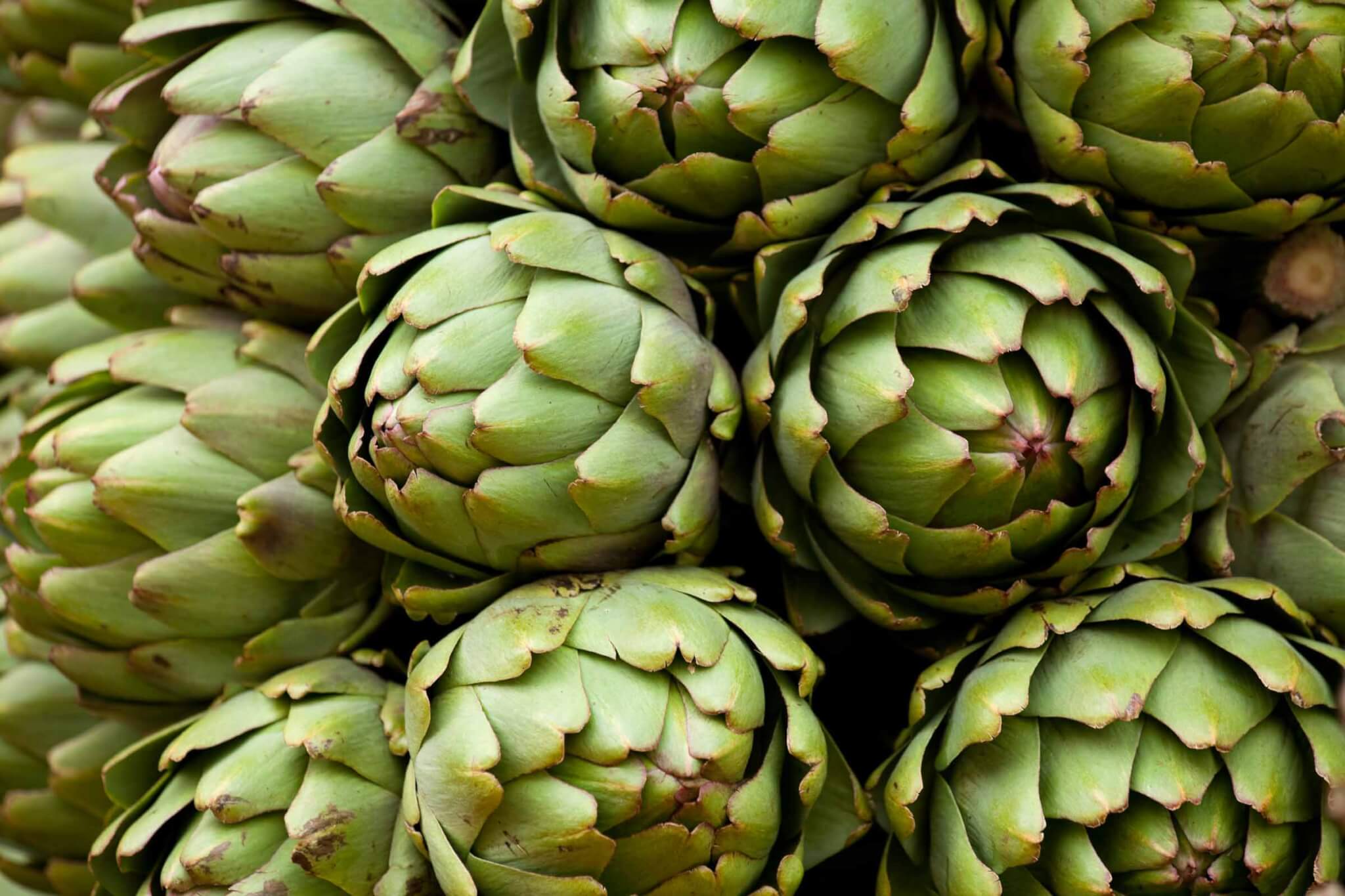
The artichoke and potato cheesecake bridges the gap between earthy vegetable gratins and rich, sliceable savory tortes. Instead of sugar and berries, this unexpected creation builds on a foundation of starchy potatoes, tender artichoke hearts, and savory cream cheese. It redefines comfort food by turning humble root vegetables and preserved hearts into an elegant, savory appetizer or main course.
If you're tired of standard quiches or heavy potato casseroles, this savory cheesecake offers a striking centerpiece for dinner parties. Let's look at how to select your ingredients, master the structural baking process, and avoid the common pitfalls that cause savory cheesecakes to crack or become soggy.
Deconstructing the Primary Ingredients
Every successful savory bake depends on ingredient chemistry. Unlike a sweet dessert where excess moisture can sometimes be forgiven or masked by fruit syrups, a savory vegetable cheesecake requires precise moisture control.
The Starchy Base: Choosing Potatoes
Potatoes provide the primary bulk and structural crumb for your crust and lower filling. You don't want waxy red or new potatoes here; they hold too much moisture and lack the necessary starch.
- Russet Potatoes: High in starch and low in moisture, Russets bake up fluffy and absorb rich fats easily.
- Yukon Golds: An excellent alternative if you prefer a slightly buttery flavor profile naturally. They hold their shape well when roasted and riced.
The Botanical Element: Artichokes
Artichoke hearts bring a subtle, nutty bitterness that cuts through the heavy dairy fats. You can use fresh baby artichokes when they're in season, but canned or marinated artichoke hearts packed in water or olive oil are far more practical.
- Drain and Press: Always rinse and press marinated artichoke hearts thoroughly in paper towels. Excess oil or brine will prevent your egg proteins from coagulating properly during the bake.
- Chop Finely: Dice the hearts into small, uniform pieces so they distribute evenly throughout the batter without creating heavy pockets that cause the slice to crumble.
The Binding Matrix
The remaining structure relies on standard dairy and binding agents, modified for savory cooking:
- Cream Cheese: Provides the dense, velvety mouthfeel and creamy tang. Ensure it's fully softened at room temperature before mixing.
- Eggs: Act as the primary coagulant. As they bake, the proteins set to lock the potato starch and cheese into a clean, sliceable wedge.
- Aromatics: Minced garlic, grated Parmesan cheese, fresh thyme, and a pinch of black pepper elevate the base from plain starch to a gourmet profile.
Step-by-Step Preparation and Baking Guide
Baking a savory cheesecake requires the same gentle technique as a traditional New York-style dessert. Rushing the temperature will crack the top and dry out the edges.
1. Preparing the Roasted Potato Crust
Start by roasting your potatoes rather than boiling them. Boiling introduces too much water into the tubers.
- Peel and cube two large Russet potatoes. Toss them in olive oil, salt, and pepper.
- Roast at 400 degrees Fahrenheit for 25 to 30 minutes until tender and lightly browned.
- Mash the potatoes thoroughly while hot, or pass them through a ricer to eliminate lumps. Press about half of these potatoes firmly into the bottom of a greased 9-inch springform pan to form a rustic crust.
2. Mixing the Savory Filling
In a large mixing bowl, beat 16 ounces of softened cream cheese until smooth. Beat in three large eggs one at a time, ensuring complete incorporation. Fold in your chopped artichoke hearts, the remaining mashed potatoes, grated Parmesan cheese, minced garlic, and fresh herbs. Season generously with salt and white pepper.
3. The Water Bath Technique
Cheesecakes hate dry, aggressive heat. Wrap the bottom and sides of your springform pan tightly in heavy-duty aluminum foil to prevent water seepage. Place the springform pan inside a larger roasting pan, and pour boiling water into the outer pan until it reaches halfway up the sides of the springform pan.
Bake at 325 degrees Fahrenheit for 55 to 65 minutes. The center should still have a slight jiggle when you gently shake the pan. Turn off the oven, crack the door open, and let the cheesecake cool inside for one hour. This gradual temperature drop prevents the center from collapsing. Chill in the refrigerator for at least four hours before slicing.
Common Mistakes to Avoid
Even experienced home cooks can run into trouble when shifting from sweet baking to savory tarts. Keep these pitfalls in mind:
- Skipping the Water Bath: Without steam from a water bath, the edges of the cream cheese bake too fast, resulting in a rubbery texture and a heavily cracked surface.
- Using Wet Artichokes: Failing to squeeze the oil or brine out of the artichokes introduces excess liquid, turning your firm slice into a wet, unmanageable mess.
- Slicing While Warm: Just like a dessert cheesecake, a savory potato and artichoke cheesecake needs time to chill and set its fats. Cutting it straight out of the oven will cause the wedges to fall apart.
Frequently Asked Questions
Can I make this cheesecake ahead of time?
Yes. In fact, it tastes better when made a day in advance. The resting time allows the garlic, herbs, and artichoke flavors to meld fully with the rich cream cheese and potato base. Keep it tightly covered in the refrigerator for up to three days.
What can I serve alongside this dish?
Because it is rich and dense, it pairs best with bright, acidic elements. Serve a wedge alongside a crisp arugula salad dressed in a sharp lemon-shallot vinaigrette, or pair it with roasted cherry tomatoes to balance the earthy profile.
Can I freeze the leftovers?
Cream cheese-based bakes do not freeze well; the dairy tends to separate and become grainy upon thawing. Enjoy your leftovers chilled or gently reheated within a few days of baking.
Is it possible to substitute Greek yogurt for cream cheese?
You can substitute up to half of the cream cheese with thick, full-fat Greek yogurt to lighten the density slightly, but completely removing the cream cheese will compromise the structural stability and rich mouthfeel.



