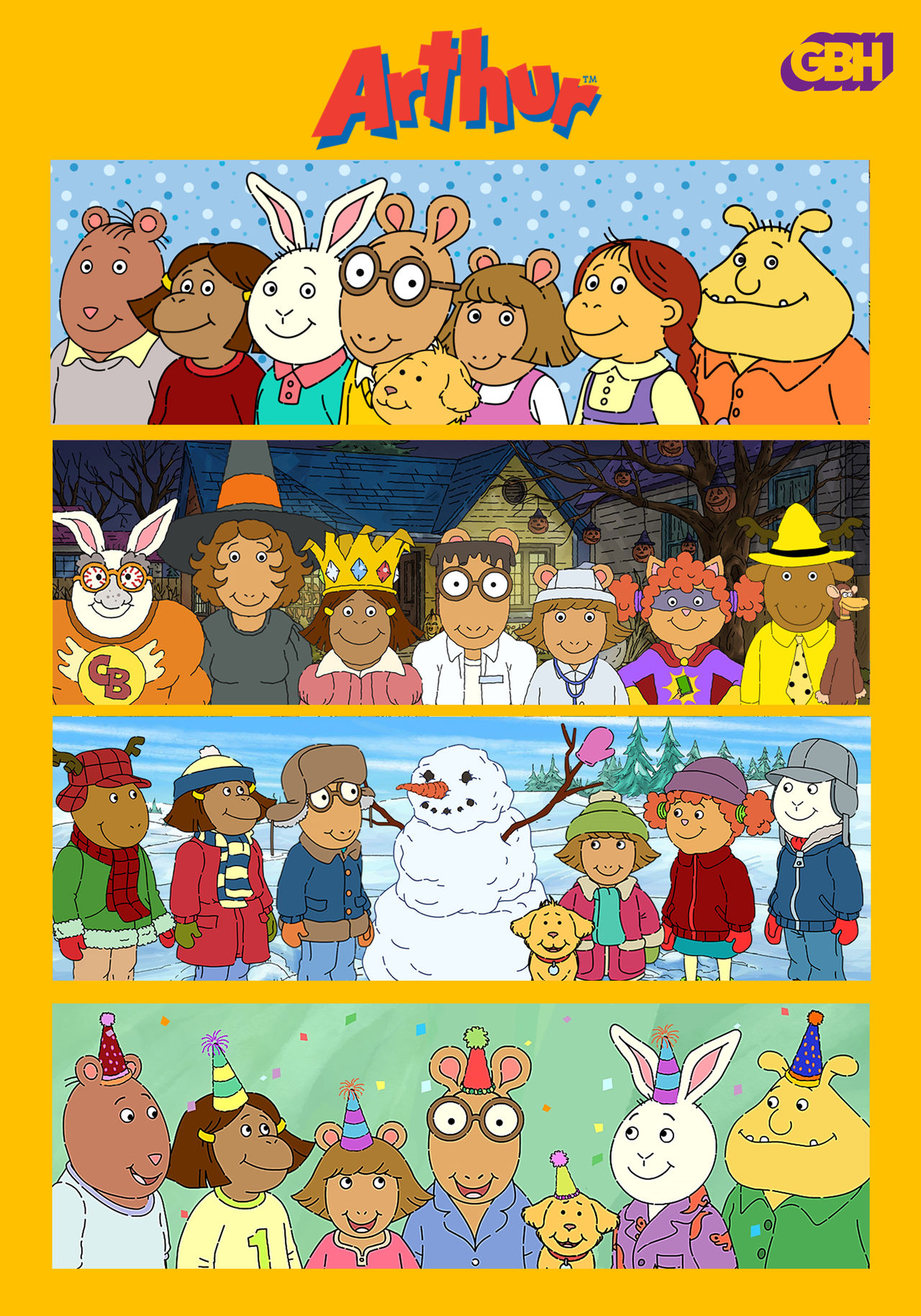
When the bassline drops and that iconic brassy horn hits, millions of adults instantly remember sitting in front of the television box waiting for PBS Kids. The opening sequence of Arthur didn't just introduce an animated aardvark and his friends; it delivered a forty-second burst of pure optimism. Written by Judith Henderson and arranged by Jerry de Villiers Jr., the track titled "Believe in Yourself" became an accidental anthem. It wasn't written as a chart-topping single, but it secured a permanent spot in the cultural memory of anyone growing up in the late 1990s and 2000s.
The secret to the track's longevity lies in its rare combination of earnest emotional delivery and top-tier musical talent. Instead of relying on standard synthesized children's television background cues, the production team tapped reggae royalty. Ziggy Marley and the Melody Makers lent their signature breezy grooves, harmonies, and uplifting cadence to the project. This choice gave a simple cartoon intro the soul and weight of a genuine roots-reggae record. It treated young viewers with respect, embedding a mature, comforting philosophy into a bite-sized format.
The Musical Roots and Production Behind the Jingle
In the mid-1990s, the children's television landscape was shifting. Series were looking for distinct identities that could cut through the noise of cable expansion. When WGBH and Cinar adapted Marc Brown's beloved picture book series about Arthur Read, they wanted music that felt timeless rather than hyper-commercial.
Judith Henderson crafted a lyric centered on empathy, daily observation, and self-reliance. When Ziggy Marley and the Melody Makers stepped up to record it, they infused the arrangement with an unmistakable groove. The bassline moves with a gentle, rolling bounce, while the horns add warmth. You can explore more background details on the Wikipedia Arthur Page regarding how the production brought together Canadian animation studios and American public broadcasting.
Deconstructing the 40-Second Structural Masterpiece
Television theme songs live and die by their efficiency. In forty seconds, the Arthur intro accomplishes three heavy lifting tasks: establishing character perspective, building narrative warmth, and delivering an actionable life lesson.
- The Observation: The opening lines immediately ground the viewer in everyday reality—walking down the street and noticing that everyone possesses a distinct perspective.
- The Groove: The rhythm commands physical engagement, urging listeners to tune into their heartbeat and the literal pulse of their neighborhood.
- The Core Message: The final stretch pivots to empowerment, reminding kids that self-belief is the foundational step toward building a better community.
Instead of talking down to children, the lyrics validate their daily social anxieties and interactions. It frames everyday friction—getting along with classmates, dealing with siblings like D.W., and navigating the schoolyard—as manageable through patience and active listening.
Why the Message Resonated Across Decades
Nostalgia alone doesn't keep a forty-second jingle alive on social media feeds twenty-five years later. The track struck a nerve because it offered an antidote to cynicism. In an era where media aimed at youth often leaned heavily into sarcastic humor or over-stimulating chaos, this intro offered stillness, community, and emotional intelligence.
Generations of kids who watched Arthur deal with glasses, library cards, and playground bullies heard that same reassuring chorus every single afternoon. It created a collective ritual. Millions of viewers shared the exact same sonic anchor point, turning a broadcast transition into a shared generational touchstone. Major news outlets like NBC News have frequently highlighted how 90s television theme songs managed to transcend their original broadcast windows to become enduring cultural artifacts.
Common Misconceptions About the Track
Fans often debate minor details about the production and lyrics, leading to widespread Mandela Effect moments online.
- The Lyric Mix-Up: A surprisingly large number of viewers spent their childhoods mishearing a specific line about getting along, substituting the character's name into the phrasing rather than the actual lyric about mutual harmony.
- The Bob Marley Rumor: Because of the distinct vocal styling, many casual fans assumed Bob Marley sang the track. In reality, it was recorded by his eldest son, Ziggy Marley, alongside the Melody Makers family band.
- Full-Length Confusion: While a full studio version exists on compilation albums like Arthur and Friends, the television cut is strictly edited down to its punchy forty-second runtime.
Frequently Asked Questions
Who actually wrote and performed the Arthur theme song?
The song was written by Judith Henderson and arranged by Jerry de Villiers Jr. It was performed by reggae legend Ziggy Marley and the Melody Makers.
Is the full version of the song longer than forty seconds?
Yes. While the television broadcast edit is roughly forty seconds long, a complete studio version was released on promotional and soundtrack compact discs during the height of the show's run.
Why does the Arthur theme song sound like reggae?
The producers specifically wanted a warm, organic, and feel-good sound that appealed to both children and parents, leading them to collaborate with Ziggy Marley to bring authentic roots-reggae instrumentation to the project.
Where can I read the full lyrics of the song?
Due to copyright protections, full lyrics cannot be reprinted here in their entirety, but you can find the complete lyrics easily by searching for the song on Google or checking platforms like Genius and official lyric videos.



