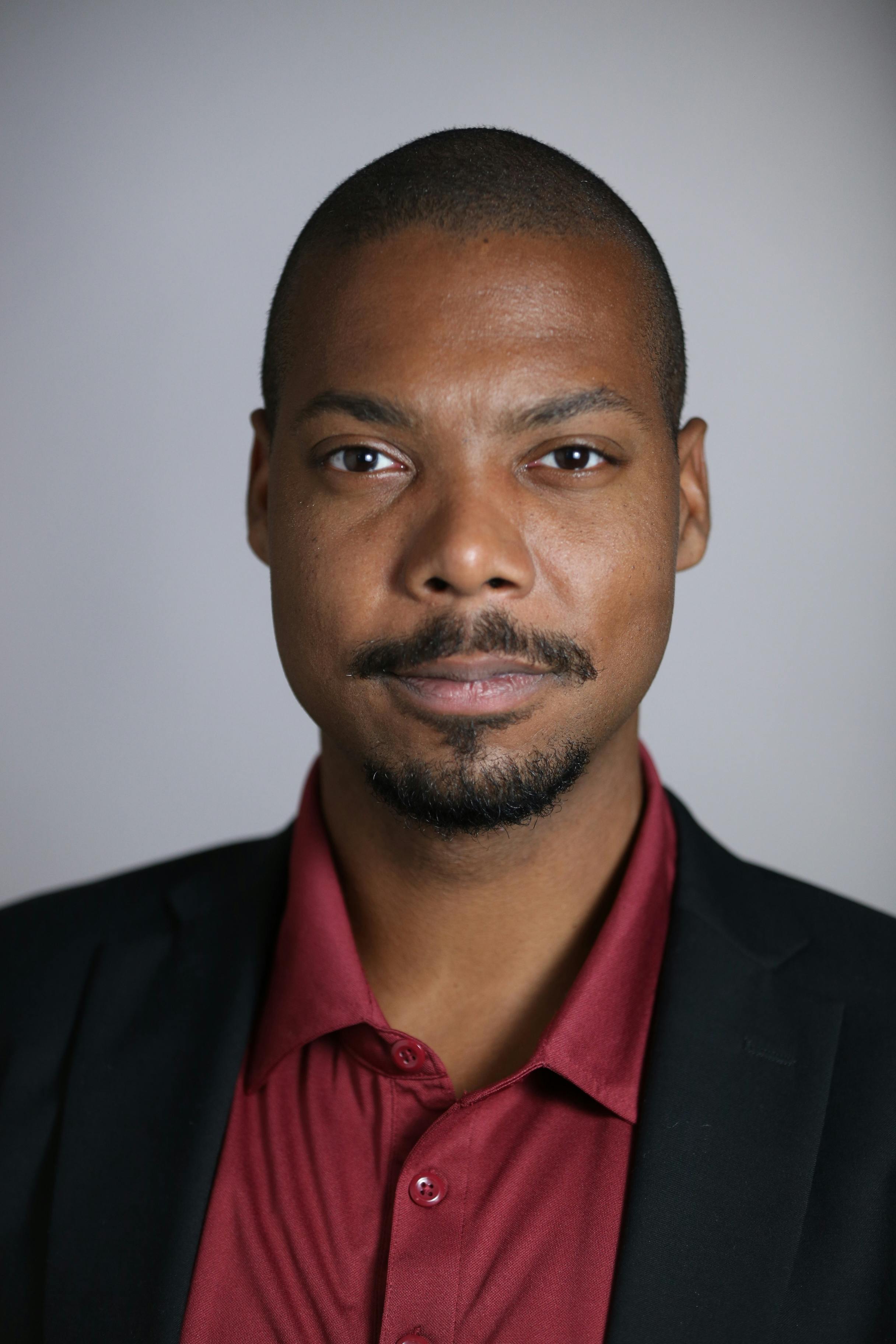
The gritty, weary drawl of Arthur Morgan defined a modern masterpiece, anchoring one of the most compelling protagonists in interactive entertainment. That unforgettable voice belongs to Roger Clark, an actor who spent years in theatre and independent film before landing the role that changed his career. Delivering the performance required more than stepping into a sound booth; it demanded years of full-body motion capture, deep historical research, and complete immersion into the brutal twilight of the American frontier.
Understanding how Clark built this iconic character reveals the rigorous mechanics behind modern game performance. From his early auditions to the physical demands of motion capture, his journey uncovers why Arthur feels so achingly human.
The Journey to Red Dead Redemption 2
Before giving life to the Van der Linde gang's primary enforcer, Clark built a diverse career across regional theatre, voiceover work in New York, and indie film projects. Born in New Jersey and raised partly in Ireland, he brought a unique international perspective and classical training to American accent work. When the audition for a secret Rockstar Games project materialized, actors weren't given the game's actual title or script details.
Clark auditioned using placeholder sides, relying purely on his instincts for a rugged, world-weary wanderer. His background as a dialect coach proved invaluable. Instead of leaning into a cartoonish cowboy caricature, he studied late-nineteenth-century speech patterns, migration routes, and regional dialects to ground Arthur's voice in historical reality. When Rockstar locked in his casting, it initiated a five-year production cycle that would test his endurance, stamina, and emotional range. As highlighted in recent articles by Reuters, the results are significant.
Mastering Motion Capture and Physicality
What separates modern video game acting from traditional voiceover is total physical integration. Clark didn't just record dialogue; he wore the motion-capture suit, helmet camera, and tracking markers alongside his co-stars like Rob Wiethoff (John Marston) and Benjamin Byron Davis (Dutch van der Linde).
This setup meant every slouch, exhausted sigh, and sudden pivot during a shootout was captured simultaneously.
- The Suit and Rig: Actors performed on a specialized stage surrounded by hundreds of infrared cameras, translating raw movement directly into pre-visualization data for animators.
- Vocal Consistency: Because scenes were filmed out of chronological order based on technical requirements, Clark had to maintain precise vocal continuity for Arthur across emotional states that shifted from lighthearted camp banter to tragic mortality.
- The Horse Riding: Much of Arthur's dialogue was recorded while strapped onto mechanical motion-capture rigs designed to simulate the bounce and sway of a galloping horse.
This collaborative environment allowed actors to pitch script adjustments. If a line felt unnatural to a scene's physical blocking, directors like Rod Edge and the writers worked directly with the cast to refine the dialogue on the floor. You can read more about the rigorous production process behind Rockstar's titles on Rockstar Games.
Vocal Texture and the Art of Subtext
Arthur's voice works because it communicates internal conflict without spelling it out. Clark employed distinct vocal registers depending on who Arthur was talking to. When speaking with Jack Marston, his tone softens into a protective, gravelly warmth. When dealing with rival gangs or untrustworthy strangers, his pitch drops into a low, menacing growl that signals immediate danger.
The magic lies in the pauses. Voice acting often suffers from over-articulation, but Clark embraced heavy breaths, hesitation, and micro-pauses. These natural imperfections convinced players that a living person stood behind the screen. When Arthur coughs, struggles, or speaks through sheer exhaustion in the game's final chapters, that vulnerability comes from grueling vocal work sustained over thousands of recorded lines.
Recognition and Industry Legacy
The critical reception to Clark's performance broke new ground for the medium. In 2018, he won Best Performance at The Game Awards, beating out high-profile Hollywood actors and industry veterans. His acceptance speech cemented his gratitude toward the gaming community and the passionate fanbase that rallied around Arthur's redemptive arc.
Beyond awards, Clark's work shifted how developers view casting. Instead of hiring celebrity names for marketing buzz, studios increasingly turn to trained theatre and motion-capture professionals who can carry complex emotional arcs through physical and vocal synergy. To explore industry acknowledgments and game accolades, check the archives at The Game Awards.
Frequently Asked Questions
Did Roger Clark do the motion capture for Arthur Morgan?
Yes. Clark performed all of Arthur's motion capture, facial capture, and voice acting, working in the suit for the entirety of the production.
Was Roger Clark in any other video games?
While Red Dead Redemption 2 remains his most prominent video game role, Clark has lent his voice to other titles, audiobooks, and independent projects, including Returnal and various narrative-driven indies.
What accent does Arthur Morgan have?
Arthur's accent is a grounded variation of an 1890s American frontier dialect, influenced by Oklahoman and Southern speech patterns without sounding like an exaggerated Hollywood western cliché.
How long did it take to record the role?
Production spanned roughly five years from initial auditions and test shoots to final pick-up lines and promotional material, making it one of the most prolonged acting commitments in game history.



