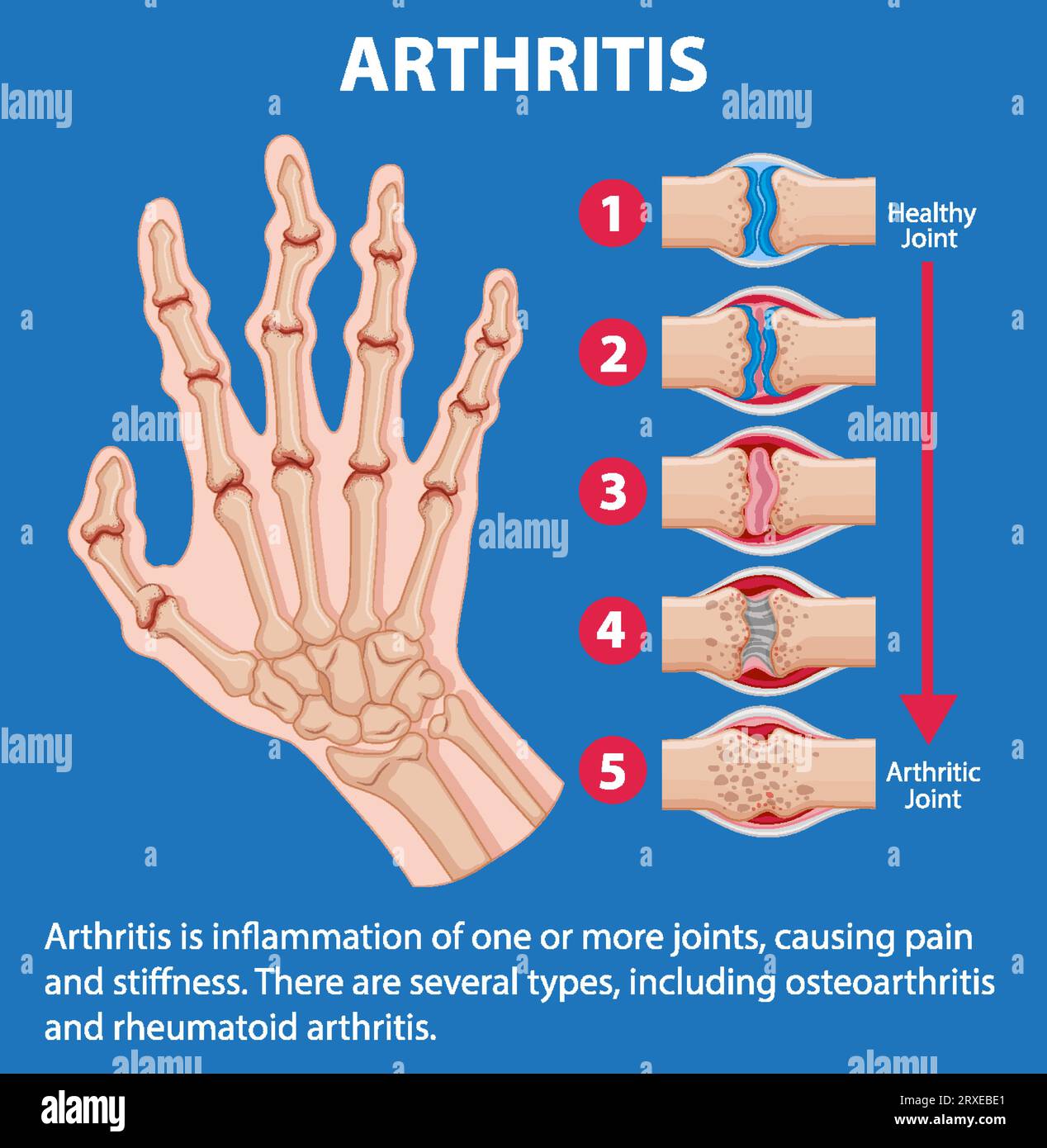
Joint pain often feels like an unpredictable intruder, but many people notice it arrives right alongside a shifting sky. When a storm rolls in or temperatures plummet, knees and hands stiffen up. Specialized forecasting tools, such as the AccuWeather arthritis index, attempt to quantify this connection by tracking atmospheric shifts so you can anticipate flare-ups before they disrupt your day.
Understanding how meteorological changes interact with your body helps transform a vague annoyance into a manageable routine. Let's look at why the atmosphere triggers joint discomfort and how you can use daily weather indices to stay ahead of pain.
The Science Behind Weather and Joint Pain
For generations, people dismissed weather-related joint pain as an old wives' tale. Modern research, however, confirms that barometric pressure, temperature, and humidity directly influence joint comfort.
Barometric pressure measures the weight of the air pressing against your body. When a low-pressure system approaches, bringing rain or a cold front, that external pressure drops. With less air pushing against your skin, the tissues inside and around your joints can slightly expand. If you have arthritis, inflammation already occupies that capsule space, so expansion stretches sensitive nerve endings and triggers pain.
Temperature changes play a secondary role. A sudden drop in temperature causes fluids within the joint to thicken slightly or makes the surrounding muscles and ligaments contract, reducing flexibility. Humidity compounds the issue by influencing how your body regulates heat and fluid balance, often leading to increased stiffness.
Reading and Using the Arthritis Index
Forecasting tools analyze these combined atmospheric variables—pressure drops, humidity spikes, and temperature swings—to generate a daily risk score. These indices typically scale from low risk to extreme risk, giving you a predictive window into how punishing the day might feel for your joints.
When you check a weather-based joint index, look for specific directional trends rather than single data points:
- Rapidly falling barometric pressure signals an upcoming spike in joint sensitivity.
- High humidity paired with dropping temperatures creates a high-risk window for deep, aching stiffness.
- Stable high-pressure systems generally correlate with lower discomfort levels and better mobility.
Checking this forecast alongside your regular weather app allows you to adjust your schedule. If an index predicts an extreme risk day tomorrow, you can shift your heavy chores or high-demand activities to a safer window.
Actionable Steps for High-Risk Forecast Days
When the index flashes a high or extreme warning, waiting for pain to strike leaves you reacting rather than managing. Proactive care minimizes the severity of a weather-induced flare-up.
First, prioritize joint warmth. Wear thermal layers if you're stepping into a cold front, or use a heating pad in the morning to relax the muscles surrounding stiff joints. Heat increases blood flow and eases the microscopic contractions that cold weather causes.
Second, commit to low-impact movement. It's tempting to stay completely still when joints ache, but inactivity breeds stiffness. Swap high-impact runs or heavy lifting for gentle stretching, indoor stationary cycling, or swimming in a heated pool. Moving synovial fluid through the joint capsule keeps cartilage nourished and reduces stiffness.
Third, stay hydrated. Dehydration alters fluid balance throughout the body, sometimes worsening joint friction. Drinking adequate water supports overall tissue health, even when the air outside feels damp or heavy.
Common Mistakes in Weather-Based Pain Management
Managing chronic discomfort requires consistency, but people often fall into traps when reacting to environmental triggers.
- Blaming the climate permanently. Moving to a warmer, drier state rarely cures arthritis long-term. While temporary relief is common, the body eventually adjusts to new barometric baselines.
- Abandoning exercise entirely. Resting a joint is smart during an acute flare, but long-term sedentariness weakens the supporting muscles, making future weather shifts even more painful.
- Ignoring medical guidance. Relying solely on weather forecasts without adhering to your rheumatologist or primary care physician's treatment plan leaves you vulnerable to unmanaged inflammation.
Frequently Asked Questions
Can weather forecasts actually predict my specific pain level?
No forecast can pinpoint your exact physical response. Indices measure general environmental risk based on population data, but individual sensitivity varies widely due to medication, overall fitness, and the specific type of arthritis you have.
Does humidity affect osteoarthritis and rheumatoid arthritis differently?
Both conditions respond to barometric and humidity shifts, but inflammatory types like rheumatoid arthritis can be particularly sensitive to systemic changes brought on by damp, cold weather patterns.
Should I take pain medication preemptively based on the index?
Never alter your prescribed medication schedule based purely on a weather app. Always consult a healthcare provider at resources like the Arthritis Foundation before changing how or when you take therapeutic drugs.
How long do weather-related joint flare-ups typically last?
Discomfort usually peaks as the barometric pressure drops or the front moves through, subsiding once the atmospheric pressure stabilizes or the storm system passes.



