Joint pain goes far beyond individual physical discomfort. When millions of people experience chronic inflammation and joint degradation, the ripple effects touch every corner of the economy, healthcare infrastructure, and workforce productivity. Chronic joint conditions rank among the leading causes of long-term disability globally, forcing public health officials to look closely at how these conditions shape modern society.
Understanding this scale requires looking past clinic walls. Direct medical bills, lost wages, and early retirement paint a picture of a systemic challenge that outpaces many other chronic illnesses.
Defining the Scope of Joint Disease
Arthritis is not a single diagnosis. The term encompasses more than 100 distinct conditions characterized by pain, swelling, and stiffness in and around joints. The two most common forms—osteoarthritis and rheumatoid arthritis—drive the vast majority of societal costs.
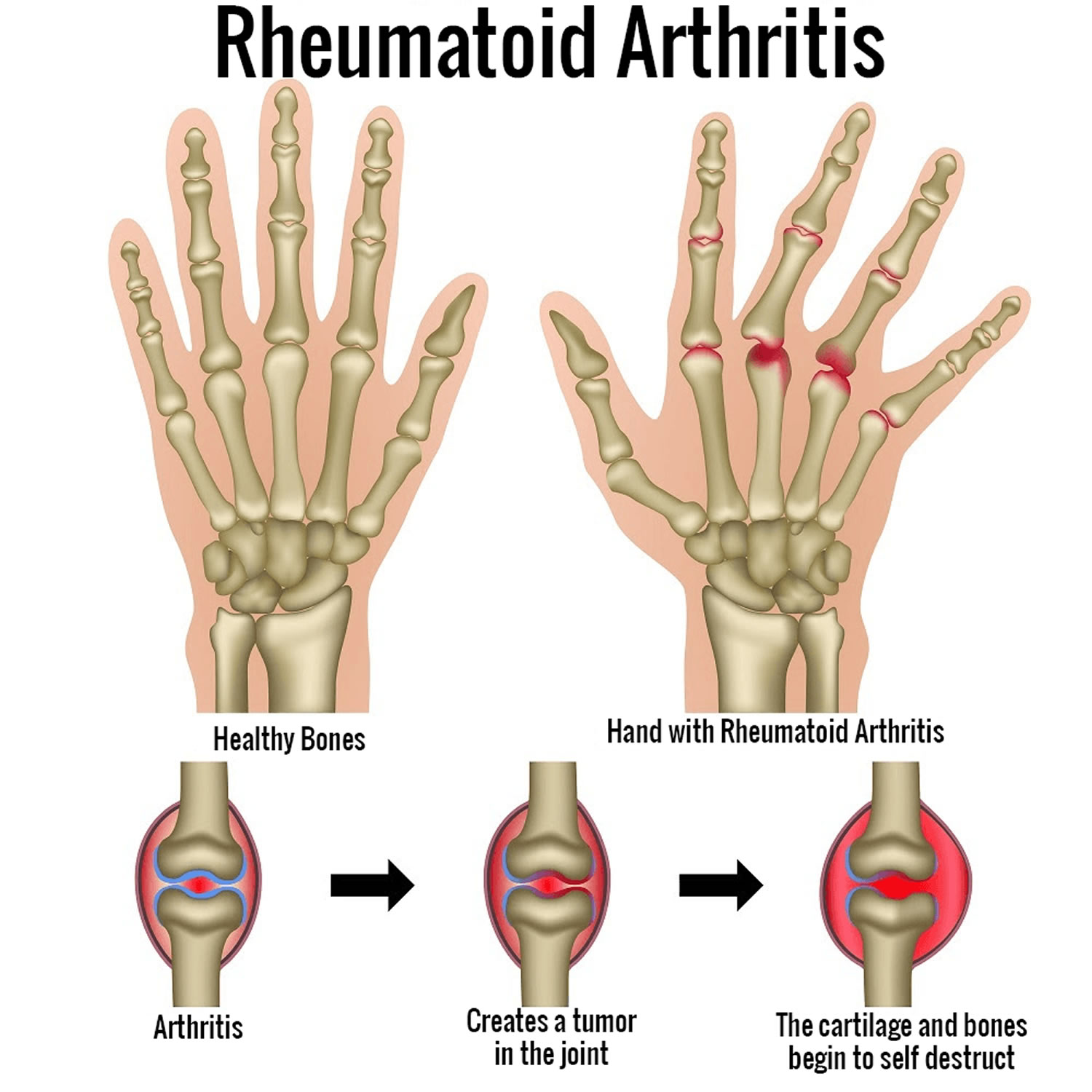
Osteoarthritis involves the gradual breakdown of joint cartilage, typically triggered by wear and tear, aging, or past injuries. Rheumatoid arthritis is a systemic autoimmune disorder where the immune system attacks joint linings, causing widespread inflammation and systemic fatigue.
While age remains a primary risk factor, joint diseases don't exclusively affect older adults. Millions of working-age adults and even children live with pediatric or early-onset forms. This broad demographic reach ensures that the economic impact is felt across every employment sector.
Direct Healthcare Costs and Resource Utilization
The financial footprint of managing joint disease places a heavy strain on medical systems. According to the Centers for Disease Control and Prevention, medical care and lost earnings related to arthritis exceed hundreds of billions of dollars annually.
- Outpatient Care: Patients frequently visit primary care physicians, rheumatologists, and physical therapists for ongoing management.
- Surgical Interventions: Advanced joint damage often requires surgical replacement, particularly total knee and hip replacements. These procedures represent a massive volume of hospital expenditures.
- Pharmacological Expenses: Managing pain and inflammation requires continuous medication. For autoimmune variants, biologic therapies can run into tens of thousands of dollars per patient every year.
When insurance providers, public health programs, and out-of-pocket patient spending combine, joint conditions account for a substantial percentage of total aggregate hospital costs.
Workforce Productivity and Economic Loss
The indirect costs of joint disease often rival or exceed direct medical expenses. Chronic pain and physical limitations directly impair workplace productivity.
Workers dealing with severe joint inflammation frequently miss shifts, experience reduced output while on the job, or transition to part-time hours. Over time, many are forced into premature retirement or permanent disability.
- Absenteeism and Presenteeism: Millions of workdays are lost annually due to musculoskeletal conditions, resulting in billions of dollars in lost wages and reduced corporate output.
- Job Displacement: Studies indicate that a significant percentage of individuals with severe rheumatoid arthritis stop working within a decade of their diagnosis.
- Caregiver Burden: Family members often step in to provide unpaid care, sacrificing their own employment hours and career progression to assist relatives with daily mobility.
These compounding factors reduce tax revenues and increase reliance on government disability support programs, shifting the financial burden onto public infrastructure.
Quality of Life and Mental Health Implications
Physical limitations naturally translate into psychological strain. Living with relentless, unpredictable pain alters an individual's independence and social engagement.
Many people find everyday tasks—such as climbing stairs, grocery shopping, or driving—increasingly difficult. This loss of autonomy frequently triggers anxiety and depression. Social isolation compounds the problem, as physical fatigue makes it harder to maintain community connections or hobbies.
Furthermore, a sedentary lifestyle often becomes a coping mechanism to avoid movement-induced pain. This physical inactivity contributes to secondary health risks, including weight gain, cardiovascular disease, and metabolic disorders, creating a difficult cycle of declining health.
Public Health Strategies for Mitigation
Addressing this societal burden requires coordinated interventions across healthcare and community settings. Public health frameworks focus on several core pillars to reduce the trajectory of joint disease:
- Early Intervention: Diagnosing autoimmune conditions rapidly allows physicians to deploy disease-modifying therapies before irreversible joint destruction occurs.
- Lifestyle Modification: Promoting weight management and structured physical activity helps reduce mechanical stress on weight-bearing joints. According to the Arthritis Foundation, even modest weight loss can significantly decrease pain and improve function.
- Injury Prevention: Sports safety programs and occupational ergonomics aim to minimize joint trauma that leads to post-traumatic osteoarthritis later in life.
Frequently Asked Questions
Is arthritis strictly a disease of aging?
No. While the prevalence of osteoarthritis increases with age, autoimmune forms like rheumatoid arthritis can strike young adults, and pediatric arthritis affects thousands of children.
How much does arthritis cost the healthcare system annually?
Medical care and lost productivity costs in the United States alone exceed $300 billion every year, with global figures scaling into the trillions when factoring in lost work output and specialized treatments.
Why do women experience higher rates of arthritis?
Epidemiological data shows that women are diagnosed with both osteoarthritis and rheumatoid arthritis at higher rates than men. Hormonal factors, genetic predispositions, and differences in joint anatomy contribute to this disparity.
Can lifestyle changes alter the societal burden of joint disease?
Yes. Community-based physical activity programs, weight management initiatives, and smoking cessation reduce symptom severity, delay surgical interventions, and help individuals maintain employment longer.


