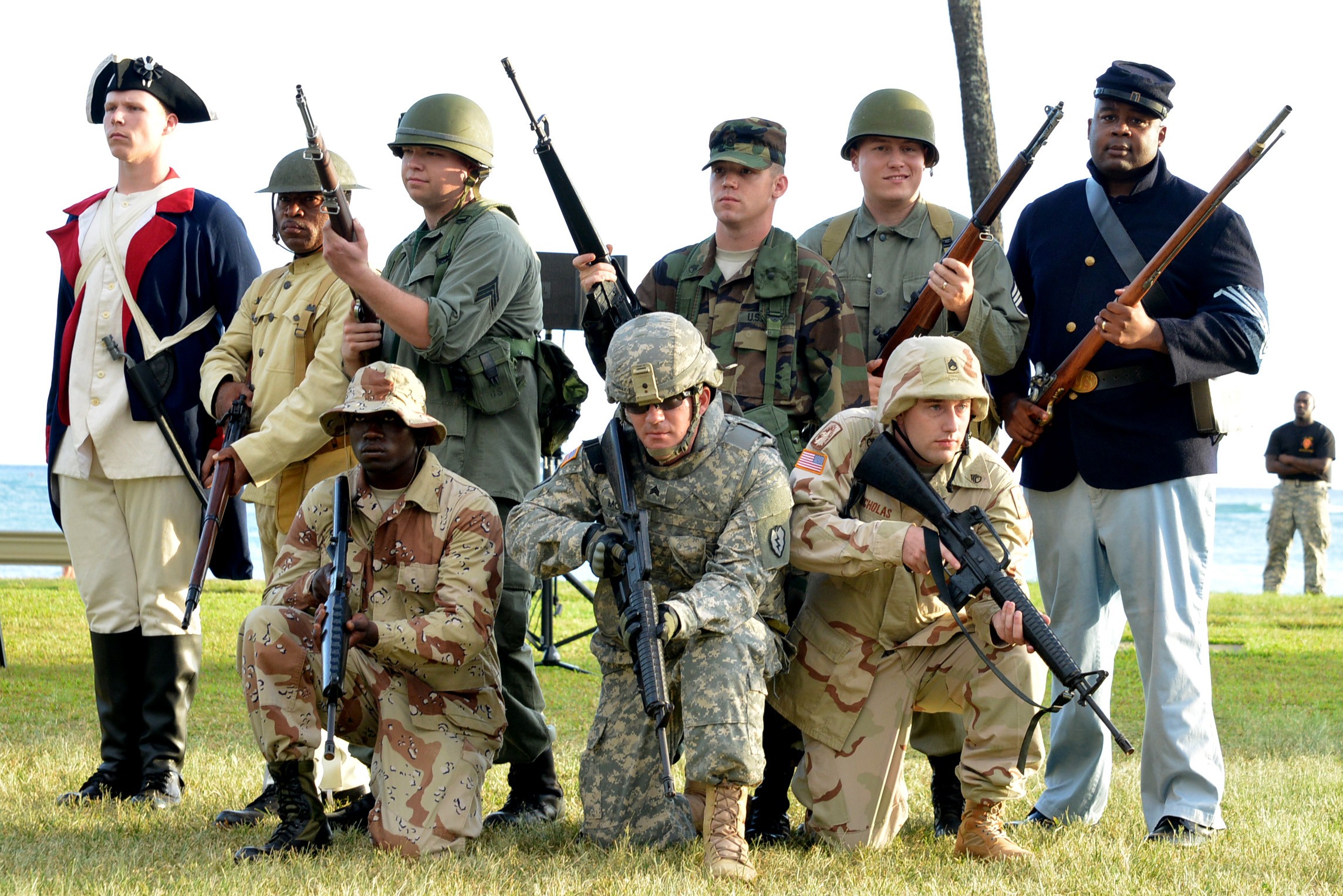
Finding genuine military surplus in the Texas Panhandle requires knowing where to look and what to inspect before handing over your cash. When you hunt for army surplus Amarillo TX options, you aren't just shopping for fashion statements or cheap camping gear. You're sorting through decades of logistics history, heavy-duty hardware, and field-tested equipment built to strict government specifications. Whether you need rugged outerwear for working ranch land, tactical bags for backcountry hunting, or authentic pieces of military collection history, Amarillo's local market and regional trade hubs offer unique finds if you know how to navigate them.
The local tactical and surplus scene thrives on a mix of brick-and-mortar storefronts, estate cleanouts, and regional trading networks across Potter and Randall counties. Because Amarillo sits at the crossroads of major shipping lanes like Interstate 40 and Interstate 27, it serves as a natural collection point for surplus goods moving across the Southwest. Understanding how these inventories flow, what grading terms actually mean, and how to spot authentic government issue (GI) gear from cheap commercial replicas will save you money and keep you from buying faulty equipment.
Decoding the Amarillo Surplus Inventory
Walking into a physical surplus store or browsing regional listings can feel overwhelming. The shelves rarely feature neat seasonal displays or orderly sizing charts. Instead, you'll encounter a dense mix of historical artifacts, utility hardware, and heavy-duty textiles.
Most surplus stock falls into three distinct operational buckets:
- Genuine USGI (U.S. Government Issue): Manufactured under strict Department of Defense contracts, featuring specific contract numbers, Mil-Spec tag details, and NSN (National Stock Numbers).
- Commercial-Grade Replicas: Consumer items styled to look like military gear, often built with lighter-grade nylon, cheaper zippers, and weaker stitching.
- Surplus Salvage and B-Grade Gear: Used, surplus-adjacent gear that might show field wear, minor fading, or require light maintenance.
When you're scanning bins in the Texas Panhandle, look closely at the tags. Authentic gear often features faded ink stamps or woven labels detailing contract codes. If a jacket or pack lacks any identifying contract markers and feels unusually light, it's likely a commercial reproduction priced like authentic kit.
Key Categories of Military Gear Worth Hunting
Not every item on a surplus shelf delivers equal value. Some pieces of equipment offer unmatched durability compared to modern retail equivalents, while others are better left on the rack.
Outerwear and Cold-Weather Layers
The Texas Panhandle experiences brutal winter northers that drop temperatures fast, accompanied by driving winds across the plains. Military ECWCS (Extended Cold Weather Clothing System) layers are legendary for handling these conditions. Look for original polar fleece jackets, Gore-Tex wet-weather parkas, and waffle-knit thermal tops. These items provide heavy insulation without bulk, and they cost a fraction of high-end mountaineering brands.
Field Packs and Load-Bearing Equipment
Rucksacks, assault packs, and tactical webbing designed for the armed forces use heavy denier Cordura nylon and reinforced bar-tack stitching. If you're hiking Palo Duro Canyon or setting up camp in rugged terrain, an old-school Alice pack or a modular MOLLE system outlasts modern civilian daypacks. Check the stitching around the shoulder straps and inspect the plastic buckles for UV degradation or cracking before you buy.
Hardware, Tools, and Utility Goods
Small items often provide the best value in any surplus shop. Heavy-duty ammo cans keep moisture and dust away from tools, ammunition, or emergency supplies. Folding entrenching tools, wool blankets, and stainless steel canteens represent lifetime investments. A genuine wool blanket won't melt near a campfire like synthetic fleece, making it an essential piece of truck gear for Amarillo drivers caught in winter storms.
Understanding Surplus Condition Grading
Surplus vendors use standardized terminology to describe the physical state of an item. Learning these grades prevents disappointment when buying online or digging through bargain bins.
- New Old Stock (NOS): Unissued gear still in original packaging or pristine condition. These items command higher prices because they haven't seen field use, but they offer factory-fresh performance.
- Serviceable / Used Grade: Items that were issued and used in the field but remain fully functional. They may show minor scuffs, fading, or small professional repairs. These offer the best value-to-performance ratio.
- Project / Salvage Grade: Heavily worn items missing small components, featuring broken zippers, or requiring patching. These suit DIY hobbyists, collectors, or budget buyers willing to invest a little repair work.
Inspecting used gear requires checking high-stress points. Pull on zipper teeth, test drawstrings, and smell the fabric for mildew if items have spent years in damp warehouses or storage units.
Practical Sourcing Strategies in the Texas Panhandle
Finding the best deals takes patience and timing. Unlike standard retail outlets with predictable restock cycles, surplus inventory arrives in unpredictable waves tied to military base updates, contract overruns, and estate liquidations.
To maximize your success, build a consistent scouting habit. Visit local shops mid-week when foot traffic is lower, allowing you to chat with staff about upcoming shipments or unlisted inventory in the back. If you are looking for specific gear types—such as specific camouflage patterns or heavy canvas tarps—ask the store manager to keep an eye out. Many shops maintain waitlists for high-demand items like heavy-duty sleep systems or specific tactical vests.
You can also cross-reference local finds with specialized online outfitters like Army Surplus World to benchmark fair market pricing on common GI components. Comparing local prices with established national distributors ensures you don't overpay for common items like utility belts, field shirts, or dog tag kits. For broader regional context on historical gear standards and collector markets, resources from the Texas Historical Commission offer great insights into how military history intersects with everyday Texan life.
Common Mistakes to Avoid
First-time surplus buyers often make simple errors that lead to wasted money or frustration on the trail.
One frequent mistake is ignoring sizing discrepancies. Military sizing differs significantly from modern commercial clothing. Older field jackets and trousers often use chest measurements and short/regular/long modifiers that require precise tape measurements rather than guessing your usual size. Always try garments on or measure a well-fitting piece of clothing you already own before purchasing.
Another pitfall is assuming all camouflage patterns perform equally well in local terrain. While woodland or desert patterns look sharp, match your purchase to your actual environment if you plan to use the gear for hunting, wildlife photography, or land navigation in West Texas brush country.
Finally, don't skip the cleaning phase. Most surplus gear arrives with a distinct warehouse smell or residual dust. A thorough wash with mild detergent and white vinegar usually clears out storage odors and softens stiff canvas or webbing.
Frequently Asked Questions
How can I tell if military surplus gear is authentic?
Look for a sewn-in or stamped tag containing a contract number, a CAGE code, and a National Stock Number (NSN). Authentic gear uses heavy-duty hardware stamped with manufacturer initials, whereas knockoffs often use generic plastic buckles and thin, unbranded zippers.
Is military surplus clothing waterproof?
Some items feature waterproof membranes like Gore-Tex, while others are purely water-resistant canvas or treated cotton blends. Check the specific fabric tag. Older canvas items require occasional re-treatment with wax or waterproofing sprays to maintain moisture resistance.
Are ammo cans truly airtight?
Genuine surplus ammo cans feature a rubber gasket seated inside the lid and a heavy-duty latch that compresses the seal. When the latch is locked down properly, they keep out moisture, dust, and insects, making them ideal for storing tools, electronics, or dry goods.
Can I sell my old military gear to local surplus shops?
Many brick-and-mortar surplus stores buy pre-owned field gear, uniforms, and tactical equipment directly from customers, provided the items are clean, functional, and free of severe damage. Call ahead to confirm what specific items their buyers are currently accepting.


