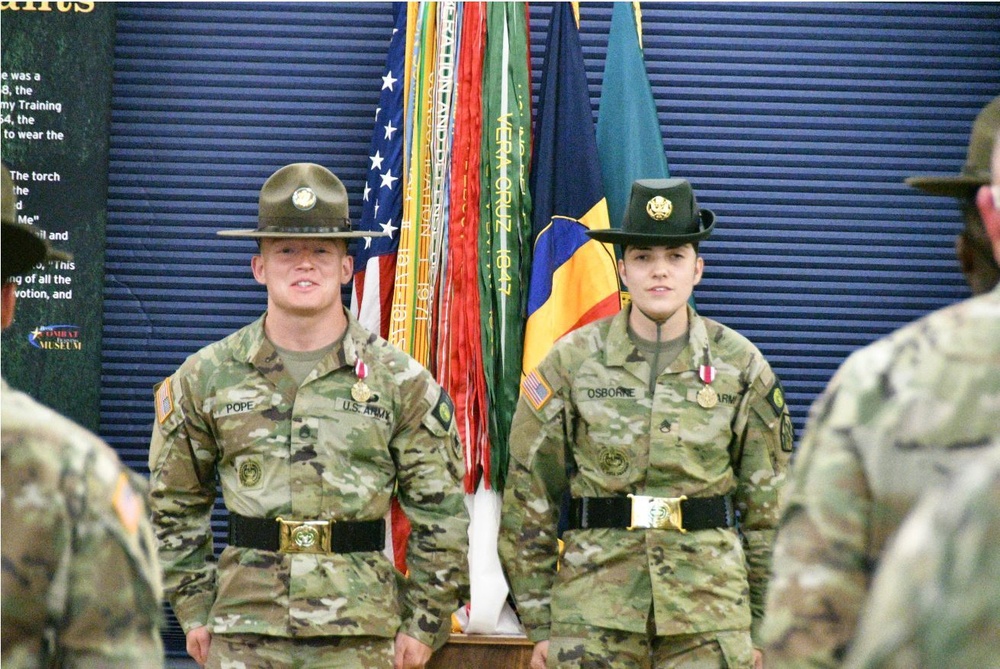
Modern military success rarely hinges on generals issuing grand decrees from distant capitals. Instead, the operational weight of national defense rests on the shoulders of the mid-grade field officer. An army lieutenant colonel operates as the primary connective tissue between high-level political intent and violent tactical reality. Whether commanding a battalion of up to one thousand soldiers or orchestrating logistics inside a division headquarters, this rank shapes how modern armed forces translate abstract policy into physical execution.
The position requires balancing direct combat leadership with complex institutional planning. Officers at this grade don't just follow orders; they interpret ambiguous strategic directives, manage multi-million-dollar equipment inventories, and protect human lives under extreme stress. Understanding their day-to-day functions reveals why defense analysts view them as the true architects of modern military capability.
The Dual Nature of the Command Role
An army lieutenant colonel typically sits at a critical career crossroads. They spend roughly two decades moving from junior platoon leadership to senior field grades. This journey creates a dual-hatted expectation: they must be ruthless tactical executors and refined bureaucratic operators.
Battalion Command and Direct Accountability
For most officers, holding battalion command is the career peak. Leading an infantry, armor, or artillery battalion means supervising three hundred to one thousand personnel.
- Operational Authority: The commander dictates how tactical doctrine applies to terrain, weather, and real-time threats.
- Personnel Welfare: They oversee discipline, mental health, physical readiness, and family support systems for their entire unit footprint.
- Risk Management: During training exercises or deployments, they balance aggressive mission accomplishment against soldier safety.
When plans fail, accountability stops at the commander's desk. This intense pressure demands rapid cognitive processing and emotional stability.
Staff Integration at Higher Headquarters
Not every officer at this rank commands troops in the field. Many serve inside division, corps, or joint task force headquarters as principal staff officers (such as the G-3 operations officer or G-4 logistics chief).
In these rooms, they filter massive streams of intelligence, coordinate multi-domain assets like electronic warfare and close air support, and draft operational orders. Without their administrative precision, large-scale maneuver units would grind to a halt within hours.
Translating Strategy into Actionable Operations
Strategic documents drafted by civilian defense departments or four-star generals are often broad and conceptual. They outline goals like deterring regional aggression or securing supply lines. Transforming those concepts into concrete movements requires specific planning phases.
The Military Decision-Making Process
Officers use structured frameworks like the Military Decision-Making Process to break down complex problems. An army lieutenant colonel leads planning teams through rigorous analysis:
- Receipt of Mission: Immediate assessment of time, assets, and higher headquarters intent.
- Mission Analysis: Identifying constraints, critical facts, and assumptions about the enemy and environment.
- Course of Action Development: Crafting multiple realistic ways to accomplish the objective.
- Wargaming: Simulating friendly actions against expected enemy reactions to find vulnerabilities.
- Decision and Execution: Selecting the optimal path and publishing synchronized orders down to company units.
Interagency and Coalition Coordination
Modern conflicts rarely involve just one branch or nation. Field-grade officers frequently coordinate with foreign military contingents, intelligence agencies, and humanitarian organizations. Navigating different national doctrines, communication protocols, and legal frameworks requires sharp diplomatic skills alongside tactical expertise.
Adapting to the Tech-Driven Battlefield
The character of war shifts alongside emerging technologies. Contemporary operations incorporate uncrewed aerial systems, cyber defense nodes, and artificial intelligence filtering tools. Officers cannot rely solely on historical precedents learned at institutions like the U.S. Army Command and General Staff College.
- Data-Driven Decisions: Leaders use digital battle tracking systems to monitor unit positions and supply consumption in real time.
- Electronic Resilience: Because modern adversaries target communications grids, commanders must practice decentralized execution, trusting subordinates to act when signals are jammed.
- Continuous Learning: Professional military education programs increasingly focus on cognitive adaptability, ensuring leaders recognize cognitive biases during high-tempo crises.
Common Leadership Missteps
Even highly decorated officers can stumble when transitioning into senior field-grade positions. Recognizing these pitfalls helps explain what separates average administrators from exceptional operational architects.
- Micromanagement: Trying to control every platoon-level action destroys initiative among junior captains and sergeants.
- Ignoring Logistics: Focusing purely on tactical maneuver while neglecting fuel, ammunition, and maintenance schedules leads to operational failure.
- Communication Breakdown: Failing to articulate clear intent leaves subordinate units guessing during chaotic engagements.
Effective leaders delegate authority while retaining ultimate responsibility, fostering an environment where subordinates can solve problems independently.
Frequently Asked Questions
What is the typical career timeline to reach this rank?
An officer usually reaches this grade after roughly 16 to 18 years of cumulative service, following successful completion of company command, staff assignments, and intermediate-level professional education.
Do all officers at this grade command troops?
No. Many fill critical staff slots within logistics, intelligence, signal corps, or cyber commands where their primary output is operational planning rather than direct tactical troop leadership.
How does this rank differ from a full colonel?
While a lieutenant colonel typically commands a battalion or serves as a principal staff officer at division level, a full colonel commands larger brigades—often comprising multiple battalions—or serves as senior staff at corps and theater levels.
Why is this position considered the backbone of the military?
They occupy the exact middle tier where national strategy meets the physical realities of combat, ensuring that high-level policy survives contact with the enemy.



