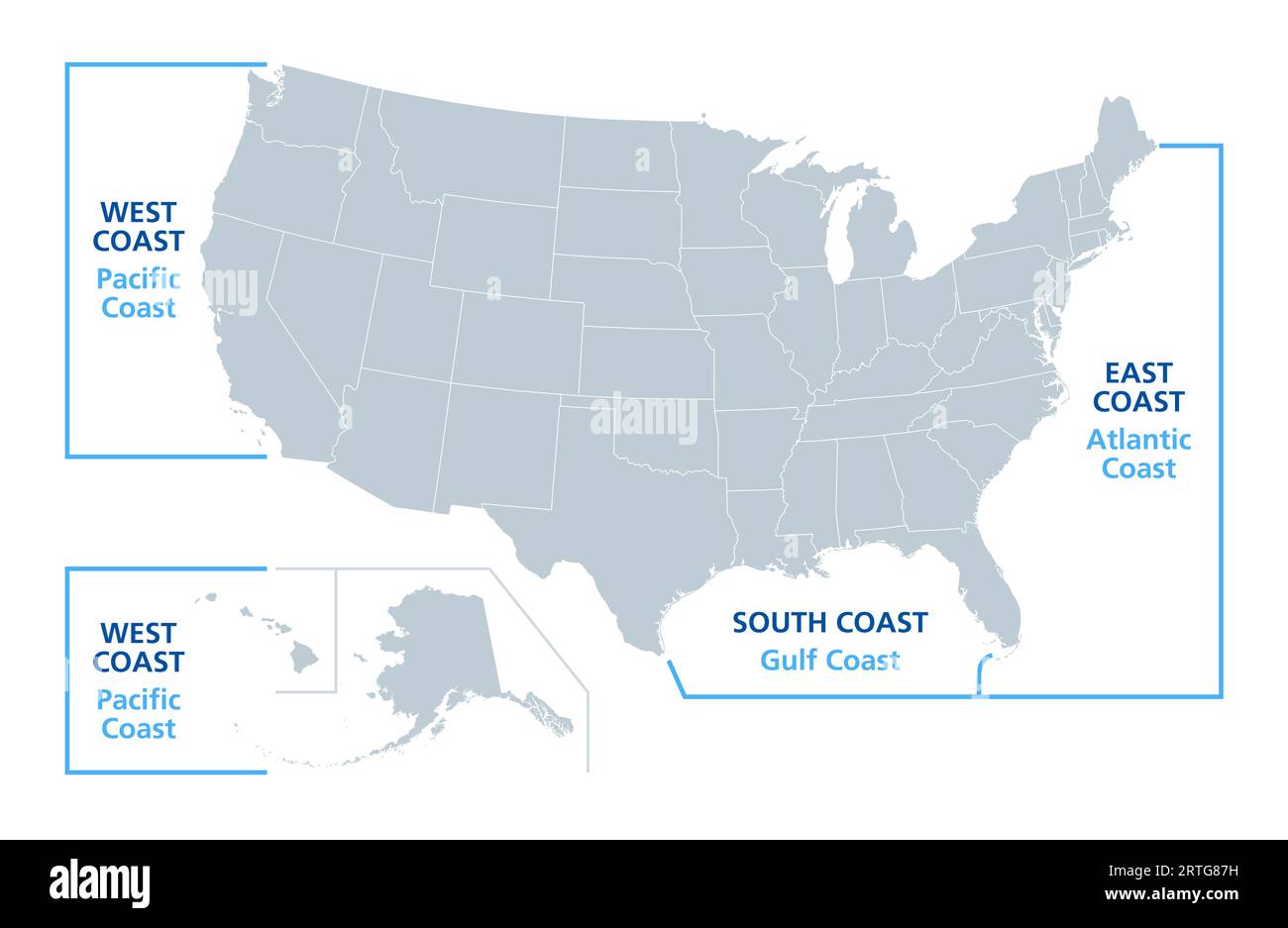
Deciding whether to live in Arizona or California comes down to a fundamental trade-off: keeping your hard-earned money or paying a steep premium for coastal proximity, diverse ecosystems, and specific cultural infrastructure. Arizona offers a significantly lighter financial footprint, featuring a flat state income tax and housing costs that are roughly half those of its neighbor to the west. California provides ocean access, massive economic hubs, and a mediterranean climate, but demands an aggressive cost of living to maintain that standard.
Choosing between the Grand Canyon State and the Golden State requires looking past vacation brochures to examine actual household budgets, tax structures, career realities, and daily environmental factors.
The Financial Reality: Cost of Living and Housing
Financial metrics heavily favor Arizona for anyone looking to stretch their purchasing power. California's overall cost of living index sits near 142 to 168 depending on the urban center, while Arizona hovers closer to 110. That gap translates into thousands of dollars in monthly savings across everyday categories.
Housing creates the widest chasm between the two states. California's median home price exceeds $900,000, turning homeownership into a distant goal for middle-income earners in major metros like San Francisco, Los Angeles, and San Diego. In contrast, Arizona's median home price sits closer to $450,000, buying newer construction, larger square footage, and manageable HOA communities. Renters see a parallel split: a two-bedroom apartment that commands $3,200 to $4,200 in coastal California often rents for $1,900 in the Phoenix metro area.
Utilities and transportation present more nuanced differences. While California drivers face some of the highest fuel prices in the nation—regularly clearing $5.50 to $5.80 per gallon—Arizona drivers pay considerably less. However, Arizona residents trade gas savings for heavy summer cooling costs. Running air conditioning units continuously from May through September creates substantial power bills that can offset savings found elsewhere during those months.
Tax Structures and Take-Home Pay
Tax policy is often the tipping point that pushes remote workers, entrepreneurs, and retirees across the border into Arizona.
California levies a progressive income tax with top marginal rates reaching 13.3%, hitting single filers and high-income households hard. Arizona utilizes a flat 2.5% income tax rate, providing a predictable structure that applies equally regardless of income tier. For a household earning $150,000 a year, the state income tax difference alone leaves roughly $7,000 to $10,000 more in annual take-home pay for Arizona residents.
Property taxes follow a different logic. California's Proposition 13 limits base property tax rates to roughly 1% and caps annual increases, protecting long-term owners but burdening fresh buyers entering the market at hyper-inflated valuations. Arizona's effective property tax rate averages around 0.48% to 0.66%, applied against much lower baseline home valuations, resulting in predictable, manageable annual assessments.
Climate, Geography, and Daily Lifestyle
The daily rhythm of life in these two states looks and feels entirely distinct. California's geography spans ocean beaches, alpine mountains, redwood forests, and fertile valleys, often within a single day's drive. Coastal climates remain temperate year-round, minimizing the need for heavy heating or cooling.
Arizona offers a desert landscape dominated by intense sunshine, averaging over 300 clear days per year. While winter, spring, and autumn weather is remarkably mild—drawing outdoor enthusiasts to hiking trails in Sedona, Flagstaff, and the Superstition Mountains—summer brings punishing heat. Triple-digit temperatures from June through September mean outdoor activity shifts to early mornings or indoor spaces.
Career Markets and Economic Opportunity
Economic scale heavily favors California, which functions as one of the world's largest economies.
- California: Dominates global technology, entertainment, venture capital, biotechnology, international trade, and specialized aerospace sectors. High salaries accompany these industries, though intense competition matches the compensation.
- Arizona: Focuses its economic growth on semiconductor manufacturing, aerospace engineering, healthcare, construction, tourism, and expanding corporate back-office operations. Wages are generally lower than California equivalents, but lower living costs balance out real purchasing power for many professions.
For remote workers whose salaries remain tied to coastal employers while living inland, Arizona acts as a financial arbitrage opportunity.
Infrastructure, Schools, and Public Services
Quality of life extends beyond personal bank accounts into public infrastructure and community services.
California consistently ranks higher in public school quality metrics, invests more per pupil in K-12 education, and maintains extensive public transit networks across major urban cores. These services require heavy public funding, which manifests as high sales taxes, fuel fees, and income levies.
Arizona faces structural challenges in public education funding, routinely ranking lower in national educational evaluations. Public transit is heavily car-centric, with light rail systems limited primarily to central Phoenix and Tempe. Families with school-age children often need to budget for charter schools, private education, or carefully research specific suburban districts like Gilbert or parts of Scottsdale.
Common Relocation Mistakes to Avoid
Moving between these states involves operational traps that catch newcomers off guard:
- Underestimating summer electricity bills: Failing to budget for high-load air conditioning costs during Arizona's peak summer months can disrupt a newly balanced monthly budget.
- Ignoring vehicle registration fees: California charges steep, vehicle-value-based registration fees. Arizona fees are structured differently, but registering a fleet of newer vehicles can still incur unexpected upfront DMV costs.
- Assuming weather equivalence: Expecting desert climates to feel like coastal Southern California leads to frustration during the stifling heat of July and August.
Frequently Asked Questions
How much money do I actually save moving from California to Arizona?
For a middle-income family earning around $120,000 to $150,000, combined savings on housing, state income taxes, and everyday goods frequently range between $20,000 and $35,000 per year. The exact amount depends heavily on whether you buy a home or rent.
Is Arizona too hot during the summer months?
Summer temperatures in Phoenix, Tucson, and Yuma routinely exceed 110 degrees Fahrenheit. Residents adapt by scheduling outdoor activities early in the morning, relying on ubiquitous air conditioning, and taking weekend trips to cooler mountain elevations like Flagstaff or Prescott.
How do job markets compare for tech workers?
California offers deeper venture capital funding and a larger density of software and product startups. Arizona has grown into a major hub for hardware, semiconductor manufacturing, and corporate tech hubs (such as Intel and NXP Semiconductors), though pure software compensation packages rarely match Bay Area peaks.
Which state is better for retirement?
Arizona remains a premier retirement destination due to its lower cost of living, medical infrastructure tailored to seniors, and favorable tax treatment for fixed incomes. California offers unmatched cultural and coastal amenities, but supporting a retirement lifestyle there requires significantly larger accumulated capital.