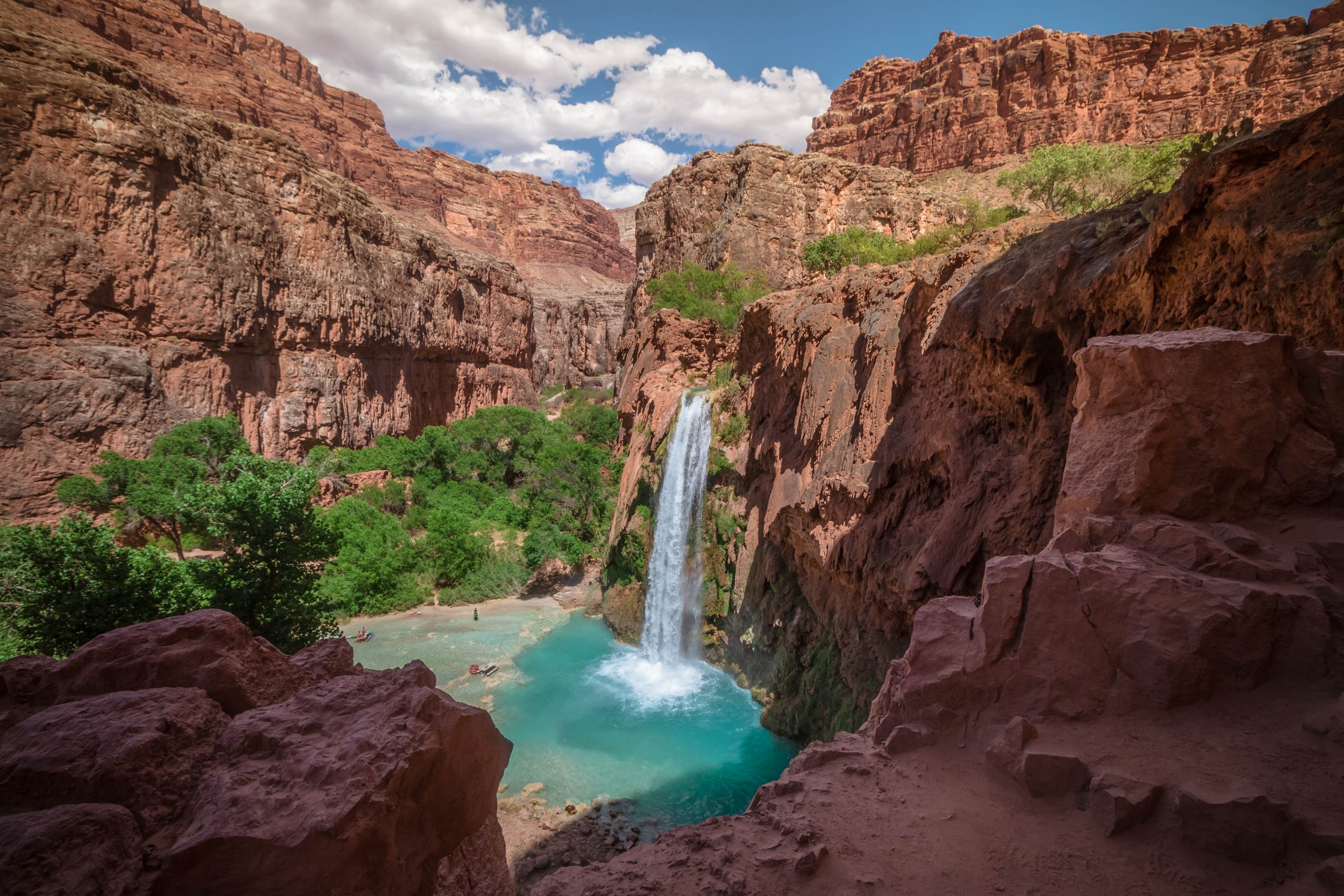
Arizona is a land of striking contrasts, where towering pine forests give way to vast, sun-drenched saguaro deserts. From the depths of the Grand Canyon to the red rocks of Sedona, the state serves as the heartbeat of the American Southwest. Whether you're planning a week-long road trip or looking for deep cultural history, this region offers an unmatched mix of natural wonders, outdoor adventure, and rich Native American heritage.
Planning a successful trip requires understanding its diverse geography, seasonal weather patterns, and regional highlights. In this guide, you'll find a breakdown of Arizona's top destinations, practical logistics for navigating the state, and realistic planning tips to help you make the most of your journey.
Understanding Arizona's Regions and Geography
Arizona isn't just one monolithic desert. The state is geographically diverse, split into distinct regions that experience vastly different climates and topographies.
The Low Desert (Phoenix and Tucson)
Spanning the southern and south-central portions of the state, the Sonoran Desert features iconic saguaro cacti, sprawling metropolitan areas, and blistering summer heat. Phoenix and Tucson anchor this region, offering world-class resorts, desert hiking trails, and vibrant culinary scenes. Winter and spring bring ideal, mild weather, making this a prime escape when the rest of the country is freezing.
The High Country (Sedona and Flagstaff)
As you move north, the elevation rises sharply. Flagstaff sits at nearly 7,000 feet and is surrounded by the world's largest contiguous ponderosa pine forest. Just south of Flagstaff lies Sedona, famous for its dramatic red rock formations and vortex sites. This region experiences four distinct seasons, including snowy winters that attract skiers to the Arizona Snowbowl.
The Colorado Plateau and Grand Canyon
Occupying the northern third of the state, the Colorado Plateau is characterized by high plateaus, deep canyons, and ancient geological layers. The Grand Canyon dominates this area, drawing millions of visitors yearly to its South and North Rims. The landscape here feels ancient and untouched, defined by vast horizons where the earth drops away into monumental chasms.
Iconic Destinations You Can't Miss
To experience the true grandeur of the state, focus your itinerary on a mix of world-famous landmarks and lesser-known historical sites.
- The Grand Canyon National Park: The South Rim is open year-round and offers the most accessible panoramic views, while the North Rim provides a quieter, forested alpine experience from mid-May to October.
- Monument Valley Navajo Tribal Park: Located on the northeastern border, these sandstone masterpieces and iconic mittens define the classic cinematic vision of the American West.
- Saguaro National Park: Split into two districts around Tucson, it protects giant saguaro cacti that can live for over 150 years and grow up to 50 feet tall.
- Antelope Slot Canyons and Lake Powell: Located near Page, these narrow, wave-like sandstone canyons created by water erosion offer some of the most striking photography spots in the country.
For official park operating hours, reservations, and fee structures, check the National Park Service before setting out.
Practical Logistics: Timing, Weather, and Transport
Arizona's extreme weather variations mean that timing your trip depends entirely on where you plan to go.
Best Time to Visit
If you want to explore the southern deserts (Phoenix, Tucson, Saguaro), plan your trip between November and March when daytime temperatures hover comfortably in the 60s and 70s. Summer temperatures in the desert regularly exceed 100 degrees Fahrenheit, making midday outdoor activities dangerous. Conversely, northern Arizona (Grand Canyon, Flagstaff, Sedona) is best visited from May through October. Winters in the north can bring heavy snowfall and temporary road closures.
Getting Around
Renting a car is essential. Public transportation is limited outside of downtown Phoenix and Tucson, and the state's best attractions are spread across vast distances. A standard sedan is sufficient for most paved highways, but if you plan on exploring remote dirt roads in regions like Monument Valley or Vermilion Cliffs, a vehicle with higher clearance is strongly recommended.
Always check state road conditions and travel alerts through the Arizona Department of Transportation before embarking on long drives across remote desert stretches.
Common Mistakes to Avoid
Travelers often underestimate the unique physical challenges of the Southwest. Avoiding these common missteps will keep your trip safe and enjoyable.
- Underestimating desert hydration: You lose water much faster in dry desert air without realizing it. Always carry at least one gallon of water per person per day when hiking, and drink before you feel thirsty.
- Skipping reservations: Popular spots like Grand Canyon lodges, Antelope Canyon tours, and Sedona parking areas fill up months in advance. Don't assume you can show up and book on the spot.
- Ignoring elevation sickness: Flagstaff and the Grand Canyon South Rim sit at 7,000 feet. Give your body a day or two to adjust before attempting strenuous hikes, and stay well-hydrated to stave off headaches.
- Driving past empty gas stations: In rural northern Arizona, distances between towns can exceed 60 miles. Never let your gas tank drop below a quarter full on remote highways.
Frequently Asked Questions
How many days do I need for an Arizona road trip?
A minimum of 7 days is required to cover the highlights, such as flying into Phoenix, driving north through Sedona to the Grand Canyon, and looping back through Monument Valley or Route 66. A 10-to-12-day itinerary allows for a more relaxed pace and deeper exploration of southern Arizona.
Is a passport required to visit the Navajo Nation?
No, the Navajo Nation is a sovereign tribal nation within the United States, so a U.S. passport is not required. However, visitors must respect tribal laws, photography permits, and localized closures, as you are entering sovereign land.
Can you drive to the bottom of the Grand Canyon?
No paved roads lead from the rim to the floor of the canyon. Visitors must hike down via trails like Bright Angel or South Kaibab, ride a mule down with advance reservations, or take a helicopter tour outside the national park boundaries.
What is monsoon season in Arizona?
Monsoon season runs from roughly June 15 to September 30. It brings sudden, intense afternoon thunderstorms, dramatic lightning, flash flooding in dry washes, and severe dust storms (haboobs) across the desert regions. Always monitor local weather forecasts if you are hiking or driving during these months.


