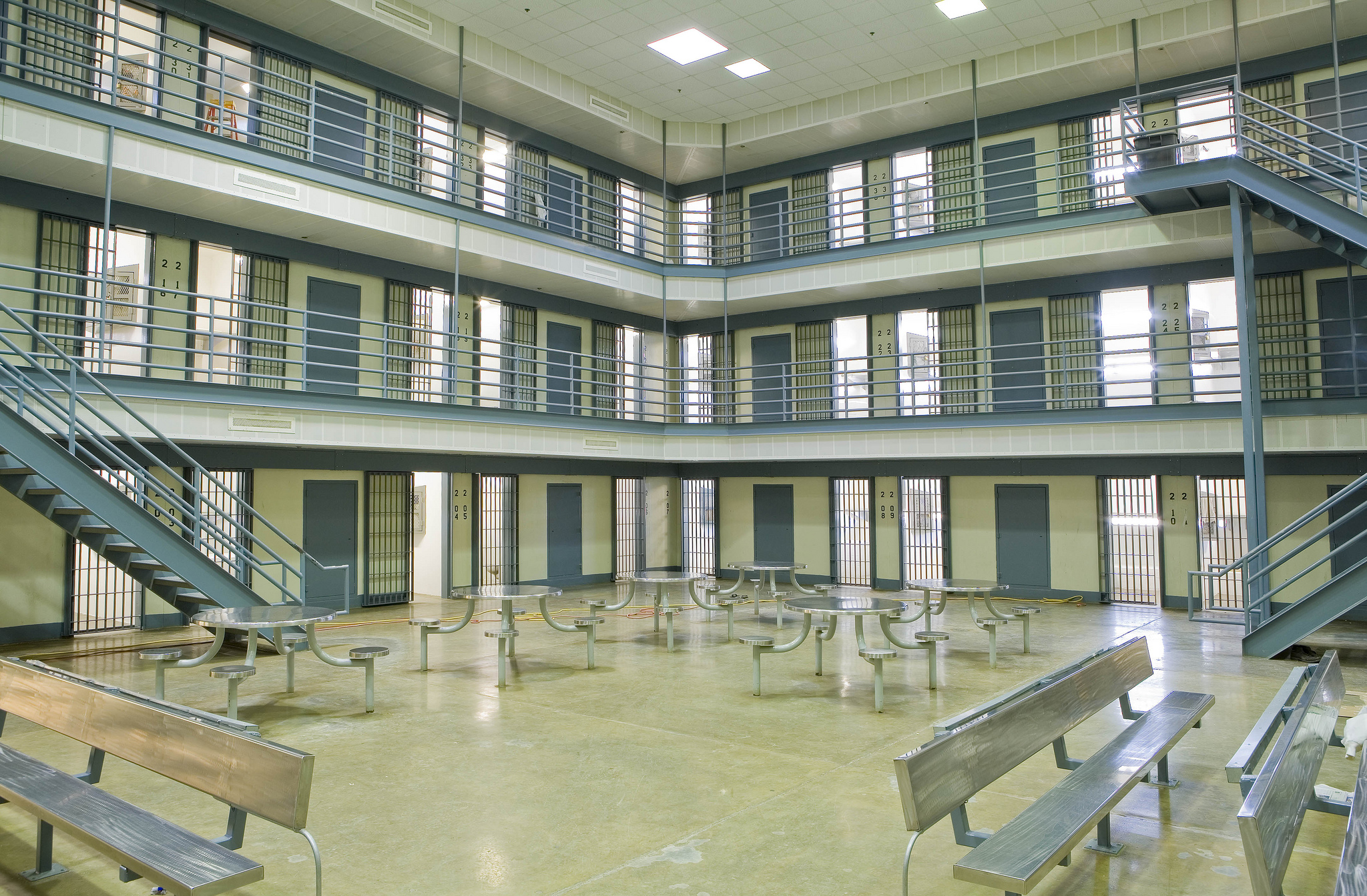
Locating someone within the state correctional system requires navigating specific digital portals maintained by the Arizona Department of Corrections, Rehabilitation & Reentry (ADCRR). If you need to find an individual housed in a state facility, you don't need login credentials or subscription fees. You can access public records directly through official state directories.
Understanding how to query these databases efficiently saves time and prevents common search errors. Whether you're tracking a family member's transfer or confirming legal custody details, knowing the exact parameters needed for the ADCRR portal ensures accurate results.
Accessing the Official ADCRR Inmate Data Search
The primary tool for tracking state prisoners is the ADCRR Inmate Data Search portal. This database updates dynamically based on institutional movements, court actions, and release decisions.
To initiate a search, open the portal and input the required parameters. While entering a full legal name is the standard starting point, common names often yield dozens of matching results. Refine your query using specific identifiers to pinpoint the correct file.
- ADC Number: The unique identification number assigned to every inmate upon intake. This is the most reliable search parameter.
- Date of Birth: Adding a birth date helps filter out individuals who share identical names.
- Alias Information: The database tracks known aliases, which helps if an individual uses a middle name or a variation of their surname.
Interpreting Search Results and Offender Profiles
Once the system generates a match, clicking on the individual's name opens a comprehensive public profile. This record displays operational status and assignment details recorded by department staff.
Reviewing the profile provides clarity on several key data points:
- Current Location: Identifies the specific state prison complex, unit, or security yard where the individual is housed.
- Custody Status: Indicates whether the person is actively incarcerated, out on temporary transport, on community supervision, or released.
- Sentence and Offense Details: Lists the conviction charges, sentence length, and calculated release milestones.
Keep in mind that release dates and supervision types are subject to change based on sentence modifications or parole board reviews. Official case files and specific adjudication details are maintained by the Office of the Clerk of the Court where the original trial took place.
Navigating County Jails Versus State Prisons
A common mistake is searching the state ADCRR database for individuals who haven't been sentenced to state prison. People awaiting trial, sentencing, or serving short misdemeanor terms are usually held in local county detention facilities rather than state institutions.
If an individual isn't appearing in the state database, check the local jurisdiction where the arrest occurred. Major county facilities manage their own separate booking and inmate tracking directories:
- Maricopa County: Covers the Phoenix metropolitan area and surrounding municipalities, utilizing independent booking search tools.
- Pima County: Manages detention centers in the Tucson region.
- Pinal, Cochise, and Mohave Counties: Operate separate local jails with independent phone verification or portal systems.
Common Pitfalls During the Search Process
Searches frequently fail due to minor formatting errors or misunderstandings of how state databases process data. Avoid these pitfalls to streamline your search:
- Spelling Discrepancies: Hyphenated last names, suffixes like Junior or Senior, or misspelled entries in initial arrest reports can cause a record to hide. Try searching with partial name strings if an exact match fails.
- Confusing Federal and State Systems: Individuals charged with federal offenses—such as immigration violations or federal drug trafficking—won't appear in Arizona state databases. They fall under the jurisdiction of the Federal Bureau of Prisons.
- Treating Printouts as Contraband: If you communicate with someone inside a state facility, be aware of strict mail regulations. Copying online database pages and sending them directly to an inmate can violate facility rules regarding contraband.
Frequently Asked Questions
What should I do if an inmate's name yields no results?
If the state database returns no matches, verify whether the individual is being held in a local county jail or a federal holding facility. If they were recently arrested, it can take several days for booking records to process and upload into the digital system.
How often is the ADCRR database updated?
The online portal refreshes regularly to reflect daily population movements, court-ordered transfers, and changes in custody status. However, sudden administrative delays can occasionally create temporary gaps in reporting.
Can I find historical records of released inmates?
The public online search primarily tracks active offenders and recent parolees. For older historical records or individuals who completed their sentences years ago, you may need to submit a formal public records request directly to the state department.
How do I schedule a visit after locating an inmate?
Once you confirm an inmate's housing unit, you must fill out an official visitation application and pass a background clearance check through the ADCRR before scheduling an approved visit.



