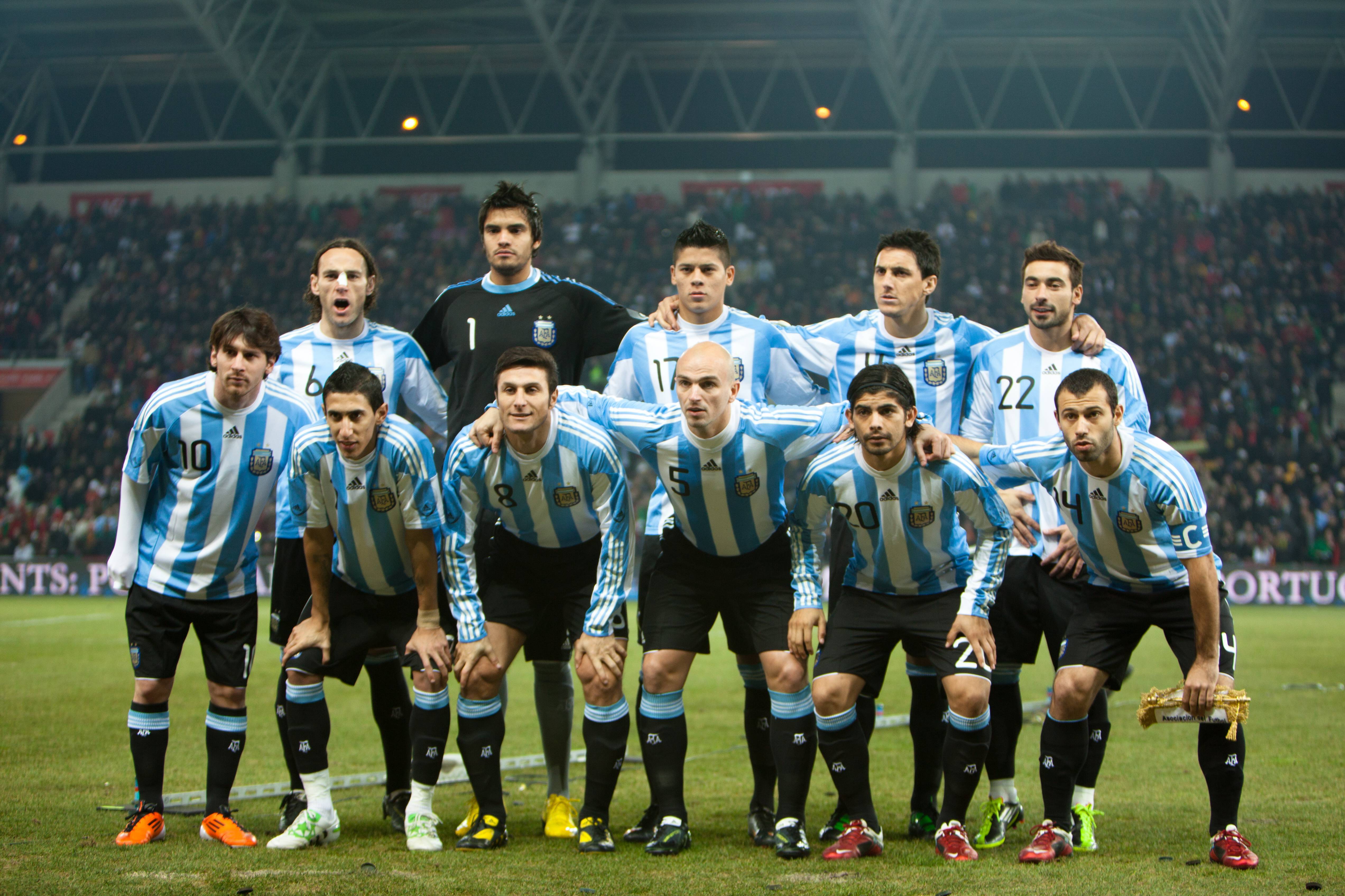
When Argentina and Venezuela square off on the football pitch, the narrative usually centers on the gulf between a global superpower and a rising CONMEBOL challenger. Yet looking past the historical imbalance reveals tactical evolution, gritty defensive blocks, and moments where La Vinotinto genuinely tested the reigning giants. If you're examining how this South American fixture has evolved, you have to look beyond simple win-loss ratios and study the underlying tactical chess match.
Understanding this fixture means breaking down how Argentina's possession structures handle Venezuela's compact low blocks, evaluating key historical matches, and spotting where tactical surprises often occur. Let's dive into the history, tactical blueprints, and standout performances defining this matchup.
Historical Head-to-Head and Rivalry Context
Historically, Argentina dominates this fixture across all official competitions and friendlies. In over thirty encounters, Venezuela has only managed a couple of victories, though the nature of those losses has shifted dramatically over the past decade. Decades ago, fixtures between these sides often resulted in lopsided scorelines where Argentina carved open a fragile Venezuelan defense at will.
Today, that dynamic looks different. Venezuelan football has invested heavily in youth development, exporting players to competitive European and MLS leagues. This has turned a historically vulnerable side into a disciplined, physically combative unit that forces Argentina to work hard for every breakthrough.
Key historical milestones in this matchup include:
- The 2019 Copa América Quarter-Final: Argentina secured a controlled 2-0 victory in Rio de Janeiro, showcasing tactical discipline under Lionel Scaloni.
- The 2022 World Cup Qualifier: A comfortable 3-0 win in Buenos Aires highlighted the sheer attacking depth of La Albiceleste during their march toward global glory.
- The 2024 Maturín Stalemate: Venezuela held Argentina to a gritty 1-1 draw on a waterlogged pitch, proving that home comforts and tactical grit can neutralize world-class talent.
For official updates on South American football standings and tournament regulations, you can check the CONMEBOL Official Website.
Tactical Breakdown: How Argentina Breaks Down Venezuela
When Argentina faces Venezuela, the tactical battle usually follows a predictable script: Argentina dominates possession, while Venezuela drops into a disciplined, low-block 4-4-2 or 5-4-1 defensive structure. Breaking this down requires examining specific phases of play.
The Argentine Possession Phase
Scaloni's side typically sets up to circulate the ball quickly through midfield, using inverted full-backs and dropping midfielders to create numerical superiorities. Players like Enzo Fernández and Alexis Mac Allister dictate the tempo, looking to slide vertical passes into half-spaces.
Against a packed Venezuelan defense, patience is everything. Argentina can't afford to rush passes into congested central areas, or they risk dangerous transition counters. Instead, they probe wide before switching the point of attack rapidly.
The Venezuelan Defensive Blueprint
To frustrate Argentina, Venezuela relies on intense defensive concentration and physical duels. Their central defenders and holding midfielders must maintain narrow distances, denying space to clever playmakers.
When La Vinotinto successfully executes this plan, they force Argentina into low-percentage crosses or long-range efforts. However, maintaining that level of defensive discipline for ninety minutes against world-class movement requires near-perfection. A single lapse in concentration often allows elite strikers to exploit the backline.
Key Players Who Shape the Matchup
Individual brilliance frequently decides tight CONMEBOL fixtures. When Argentina and Venezuela meet, certain tactical profiles consistently influence the outcome.
For Argentina, creators and clinical finishers dictate the match state. Whether it's the visionary passing from deep midfield or clinical penalty-box movement, La Albiceleste rely on players who can unlock stubborn defenses with a single touch.
For Venezuela, defensive leaders and industrious box-to-box midfielders carry the burden. Players who can win physical duels, absorb pressure, and launch quick vertical transitions give Venezuela a lifeline. If La Vinotinto's wingers can exploit space left behind by advancing Argentine full-backs, they instantly shift momentum.
For broader context on international player statistics and global rankings, you can visit FIFA.
Common Mistakes Analysts Make When Evaluating This Fixture
Many casual observers and pundits misread this matchup by looking solely at FIFA rankings or historical goal differentials. Here are a few common pitfalls to avoid when analyzing Argentina vs Venezuela:
- Underestimating Venezuelan Home Form: Playing in venues like Maturín presents unique environmental challenges, including humidity and intense heat, which frequently equalize physical levels.
- Ignoring Tactical Adaptability: Assuming Argentina will always blow past Venezuela ignores how modern Venezuelan managers set up ultra-compact low blocks specifically designed to frustrate possession-heavy teams.
- Disregarding Squad Rotation: CONMEBOL qualification schedules are brutal. Fatigue and travel strain often force managers to rotate squads, completely changing the tactical dynamic on matchday.
Frequently Asked Questions
What is the overall head-to-head record between Argentina and Venezuela?
Argentina holds a commanding historical lead with a large majority of wins, alongside a handful of draws and a couple of famous victories for Venezuela.
Why is this fixture becoming more competitive in recent years?
Venezuelan football has improved its grassroots infrastructure and player export pipeline, resulting in a more athletic, tactically disciplined national pool competing in top European leagues.
Where do these teams usually play their qualifying matches?
Argentina typically hosts matches in iconic venues like El Monumental in Buenos Aires, while Venezuela often utilizes venues across the country that leverage local climate conditions to their advantage.
How does weather affect matches played in Venezuela?
High humidity and tropical temperatures often slow down the match tempo, forcing visiting teams to manage their energy reserves carefully rather than pressing intensely for the entire ninety minutes.



