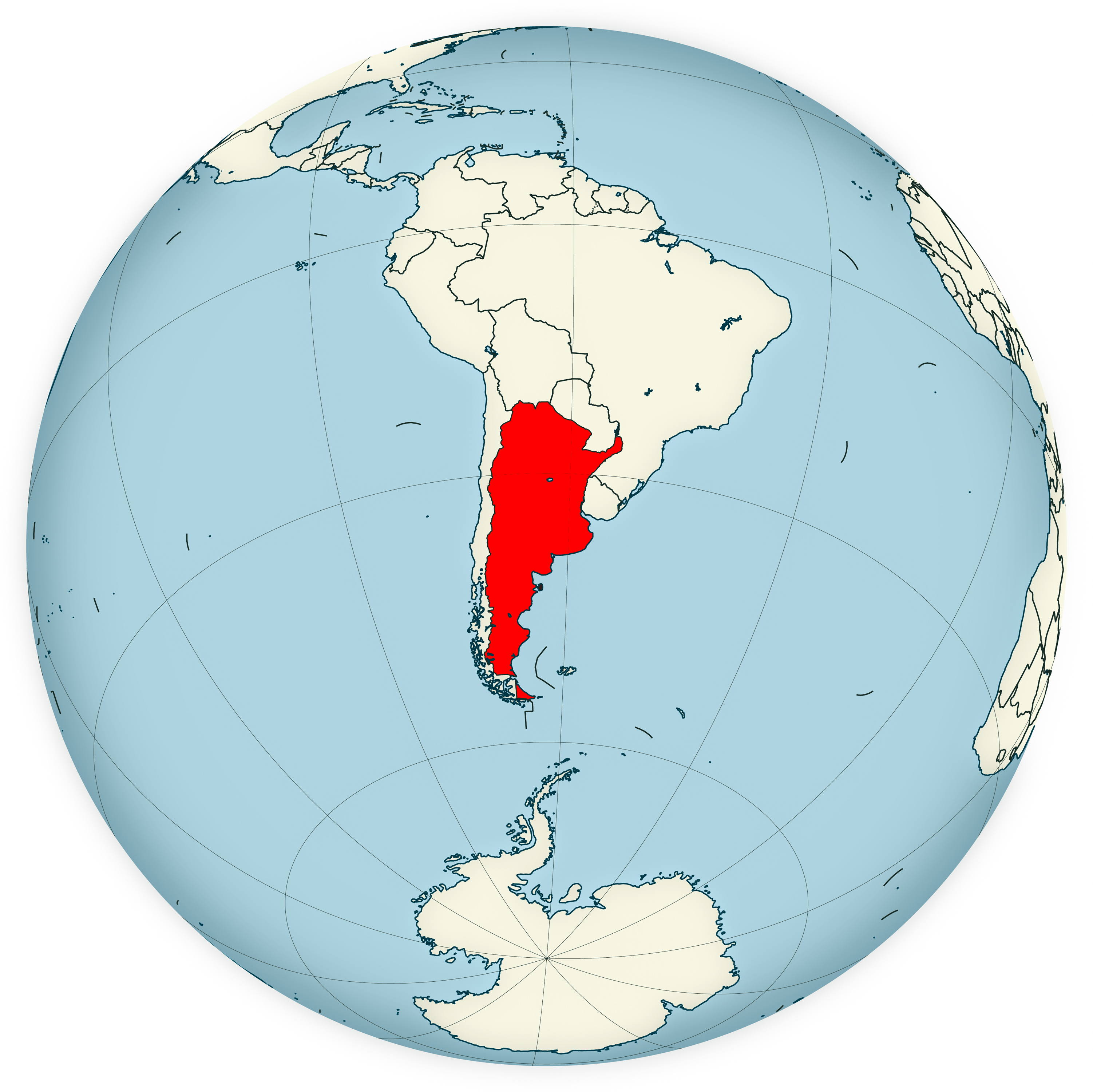
When Argentina met Jamaica at the 1998 FIFA World Cup in France, the fixture carried immense historic weight as their first-ever competitive meeting on the global stage. Played at the Parc des Princes in Paris on June 21, 1998, Group H encounter saw the South American giants dismantle the Reggae Boyz with a resounding 5-0 scoreline. Gabriel Batistuta claimed a stunning second-half hat-trick, while Ariel Ortega added a polished brace to cement a dominant afternoon.
Understanding this historic rout requires looking back at how Daniel Passarella's Argentina side executed a clinical tactical masterclass against a debutant Jamaican team experiencing its first-ever World Cup appearance. The match wasn't just a routine group-stage victory; it remains a defining reference point for head-to-head encounters between the two nations, showcasing the gulf in World Cup experience at the time.
Tactical Breakdown and Match Flow
Argentina opened the game dictating the tempo through midfield anchors like Juan Sebastián Verón and Diego Simeone. Jamaica, managed by René Simões, attempted to absorb early pressure with a compact defensive block led by defender Ian Goodison and goalkeeper Warren Barrett.
The deadlock broke in the 32nd minute. Verón slipped a precise pass into the path of Ariel Ortega, who skipped past his marker before slotting past Barrett to make it 1-0. Jamaica fought to stay within touching distance, but the task grew exponentially harder just before halftime when midfielder D. Powell received a red card for a second bookable offense in the 45th minute, leaving the Reggae Boyz with ten men for the entire second half.
The Second-Half Floodgates Open
With a numerical advantage, Argentina seized total control after the interval.
- Ortega's Second: In the 55th minute, Claudio López drove down the flank and squared a ball across the box for Ortega, who rifled home his second goal of the afternoon to double the lead.
- Batistuta's Treble: Gabriel Batistuta then took center stage. In the 72nd minute, Ortega turned provider, feeding Batistuta inside the area to clinically finish past the keeper.
- Fourth Goal: Seven minutes later, López once again unlocked the Jamaican defense, laying off for Batistuta to net his second and Argentina's fourth.
- The Penalty: In the 83rd minute, Argentina sealed the 5-0 scoreline when Batistuta converted from the penalty spot, securing a memorable hat-trick and sealing the match ball.
You can review comprehensive tournament data and historical archives directly on the FIFA Official Website.
Historical Context and Legacy
For Argentina, the 5-0 victory provided a strong momentum boost during the 1998 group stage, where they ultimately topped Group H before exiting in a dramatic quarter-final against the Netherlands. For Jamaica, reaching the World Cup remains a monumental achievement in the country's sporting history, and enduring the heavy defeat against an elite side like Argentina offered a steep learning curve on the international stage.
Subsequent meetings between the two nations—such as Argentina's narrow 1-0 win at the 2015 Copa América and a 3-0 friendly win featuring Lionel Messi in 2022—demonstrate how Jamaica's football program evolved to close the tactical gap over the decades. Yet, the 1998 fixture in Paris stands alone as the biggest scoreline recorded between the two federations.
Frequently Asked Questions
When did Argentina play Jamaica in the World Cup?
The teams met on June 21, 1998, during the group stage of the FIFA World Cup hosted in France.
Who scored the goals in the 1998 match?
Ariel Ortega scored two goals (32nd and 55th minutes) and Gabriel Batistuta scored three goals (72nd, 79th, and 83rd minutes via penalty).
Why did Jamaica play with ten men?
Midfielder D. Powell was shown a second yellow card just before halftime in the 45th minute, resulting in a red card.
Have Argentina and Jamaica played each other often?
Official meetings are rare. Beyond the 1998 World Cup match, they have faced each other in subsequent international friendlies and continental tournaments like the Copa América.



