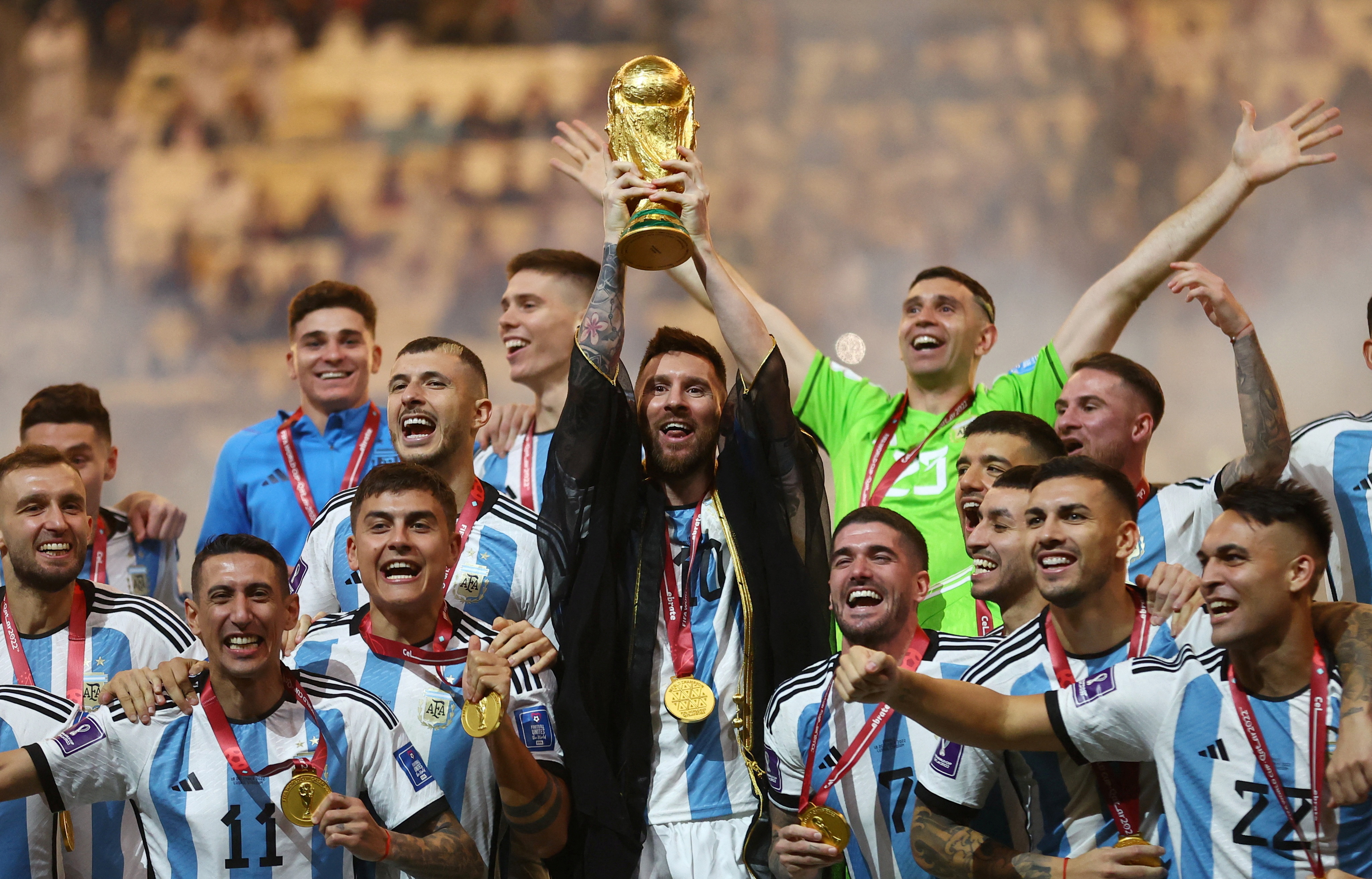
The 1986 FIFA World Cup Final remains the definitive masterclass in individual tournament dominance. On June 29, 1986, at the Estadio Azteca in Mexico City, Argentina defeated West Germany 3-2 to claim their second world title. Diego Maradona didn't score in the final, but his gravity shaped every square meter of the pitch, freeing teammates like José Luis Brown, Jorge Valdano, and Jorge Burruchaga to secure victory.
The competitor page gets basic facts wrong, confusing the quarterfinal "Hand of God" match against England with the final itself while misattributing goals. This breakdown examines the tactical setup, the actual starting formations, and how Carlos Bilardo's tactical shift outsmarted Franz Beckenbauer's side.
Tactical Blueprint: Bilardo's 3-5-2 vs. Beckenbauer's Sweeper System
Argentina manager Carlos Bilardo popularized the 3-5-2 formation during this tournament, a tactical choice designed to maximize Maradona's freedom behind a lone central striker while maintaining defensive solidity.
By utilizing three central defenders—José Luis Brown, Néstor Clausen, and Oscar Ruggeri—Argentina could absorb the physical presence of West German forwards Karl-Heinz Rummenigge and Rudi Völler. In midfield, Sergio Batista anchored the defensive shield, allowing Héctor Enrique and Ricardo Giusti to shuttle box-to-box and feed passes to Maradona.
West Germany, managed by Franz Beckenbauer, lined up in a traditional European 5-3-2 or sweeper system (Libero). Karl-Heinz Förster operated as the sweeper behind man-markers Norbert Eder and Hans-Peter Briegel. Lothar Matthäus, then just 25 years old, was tasked with the unenviable responsibility of man-marking Maradona.
The Starting Lineups and Squad Structures
Understanding how both teams lined up reveals the tactical chess match that unfolded under the baking Mexico City sun.
Argentina Starting XI
- Goalkeeper: Nery Pumpido
- Defenders: José Luis Brown, Néstor Clausen, Oscar Ruggeri
- Midfielders: Ricardo Giusti, Sergio Batista, Jorge Burruchaga, Héctor Enrique, Julio Olarticoechea
- Forwards: Diego Maradona (Captain), Jorge Valdano
West Germany Starting XI
- Goalkeeper: Harald Schumacher
- Defenders: Karl-Heinz Förster (Sweeper), Norbert Eder, Hans-Peter Briegel, Thomas Berthold, Andreas Brehme
- Midfielders: Lothar Matthäus, Felix Magath, Karl-Heinz Rummenigge (Captain)
- Forwards: Klaus Allofs, Rudi Völler
Match Flow: How the Final Unfolded
Argentina dominated the opening hour through fluid passing and territorial control. In the 23rd minute, left-back José Luis Brown rose above the German defense to head home a free-kick delivered by Jorge Burruchaga, putting the Albiceleste 1-0 up. Brown played the remainder of the match with a dislocated shoulder, stuffing his jersey sleeve to keep his arm pinned to his chest.
Minutes into the second half, Argentina doubled their lead. Hector Enrique intercepted a loose ball in midfield and fed Jorge Valdano, who calmly slotted past Harald Schumacher in the 56th minute. At 2-0, Argentina looked entirely comfortable, and Maradona began pulling strings deeper in midfield to run down the clock.
West Germany's Resurgence
West Germany refused to collapse. Beckenbauer threw on Rudi Völler at halftime to add an aerial threat alongside Rummenigge, forcing Argentina deeper into their own half.
The comeback began in the 74th minute. Following a corner kick, Andreas Brehme delivered a cross that Völler flicked on, allowing Karl-Heinz Rummenigge to poke past Pumpido from close range. Just six minutes later, another corner caused chaos in the Argentine box, and Völler headed home the equalizer to make it 2-2.
The Decisive Moment
With momentum entirely with the Germans, Argentina manufactured one final counterattack in the 84th minute.
Maradona collected the ball near the halfway line under pressure from two defenders. Spotting an opening, he threaded a perfectly weighted through ball into the path of Jorge Burruchaga, who sprinted clear of the German backline. Burruchaga kept his composure, sliding his shot past an advancing Schumacher to restore Argentina's lead at 3-2.
According to FIFA, that single strike cemented Burruchaga's legacy and sealed one of the most dramatic finishes in World Cup history.
Common Misconceptions About the 1986 Final
Many casual fans conflate Maradona's legendary tournament with specific moments that happened in earlier rounds.
- The Hand of God: This occurred during the quarterfinal match against England, not the final against West Germany.
- Maradona's Goal of the Century: That individual slalom past five England players also happened in the quarterfinal, not the final.
- The Final Score: While West Germany mounted an impressive comeback from 2-0 down, they never took the lead. Burruchaga's late winner ensured Argentina closed out the match in regulation time.
For an in-depth look at the broader historical context of international football tournaments, visit The Athletic.
Frequently Asked Questions
Who was the man of the match in the 1986 final?
Diego Maradona was named player of the tournament and controlled the tempo of the final, assisting the winning goal scored by Jorge Burruchaga.
Why did West Germany wear green in the 1986 final?
West Germany wore their green away kit as their traditional white home kit clashed with Argentina's blue-and-white striped shirts, though FIFA records note it was also chosen as a lucky color after wearing it in previous rounds.
How many goals did Diego Maradona score in the 1986 World Cup?
Maradona scored five goals during the tournament, including crucial braces against England in the quarterfinals and Belgium in the semifinals.
Who captained West Germany in 1986?
Karl-Heinz Rummenigge captained the West German side, wearing the armband while playing through nagging injuries during the knockout stages.


.jpg)
