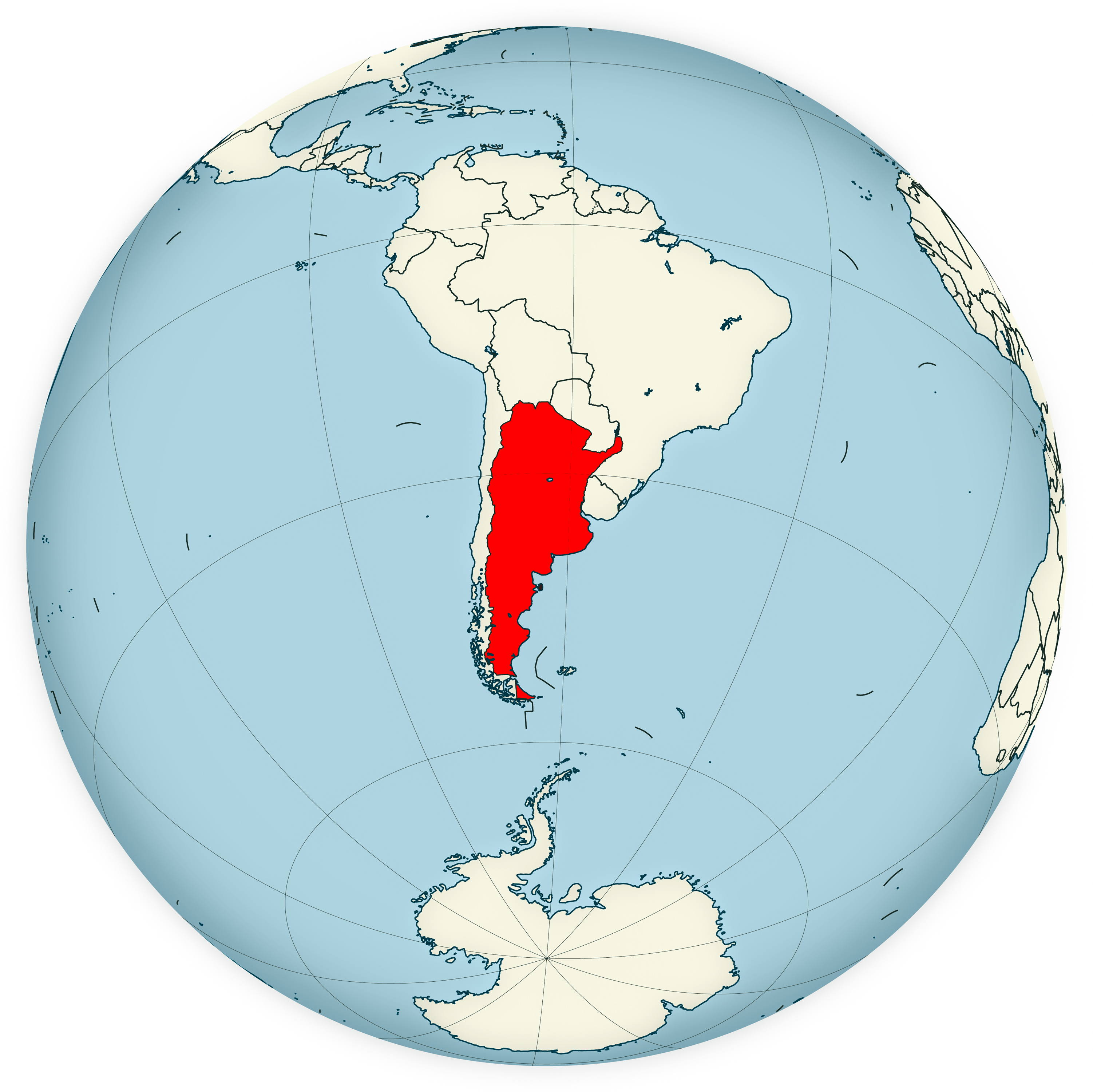
Navigating international schedules requires knowing that Argentina Time is two hours ahead of Eastern Standard Time during the winter months, and one hour ahead during the summer. Argentina stays on Argentina Time (ART) year-round at UTC-3, while the Eastern time zone in the United States and Canada shifts between Eastern Standard Time (EST at UTC-5) and Eastern Daylight Time (EDT at UTC-4). This mismatch trips up remote workers and travelers who assume a fixed two-hour gap all year.
Understanding this fluctuation prevents missed meetings and botched travel arrangements. Because Argentina abolished daylight saving time back in 2009, the burden of tracking the changing math falls entirely on the side observing seasonal shifts.
The Core Time Difference Explained
Argentina Time (ART) remains firmly fixed at UTC-3 across all of its provinces, from Buenos Aires down to Tierra del Fuego. It never changes.
Meanwhile, Eastern Time in North America splits into two distinct periods:
- Standard Time (Winter): From early November to mid-March, the region uses EST, which sits at UTC-5. Argentina is two hours ahead of EST during this window. When it is 9:00 AM EST in New York, it is 11:00 AM ART in Buenos Aires.
- Daylight Saving Time (Summer): From mid-March to early November, the region shifts to EDT, which sits at UTC-4. Argentina is only one hour ahead of EDT during this window. When it is 9:00 AM EDT in New York, it is 10:00 AM ART in Buenos Aires.
If you schedule a recurring weekly catchup with a client in Buenos Aires, remember that the meeting time will shift by an hour on your local clock twice a year when North America changes its clocks, unless you adjust your scheduling tool accordingly.
Why Argentina Doesn't Observe Daylight Saving Time
Many travelers wonder why South American nations handle clocks differently than North America or Europe. Argentina has experimented with daylight saving time numerous times throughout its history, most recently in the late 1980s and a brief trial in the summer of 2007-2008.
The government ultimately abandoned the practice due to minimal energy savings and public pushback. Because Argentina sits relatively close to the equator compared to northern North American regions, the variation in daylight hours between summer and winter is less extreme. Major population centers like Buenos Aires didn't see enough electricity reduction to justify the disruption to daily life, business operations, and transportation schedules. As a result, the country settled permanently on UTC-3.
Practical Scheduling Guidelines for Remote Teams
Working across these two regions requires active coordination, especially for software engineering sprints, financial markets, and client support desks.
- Identify the active North American period: Check whether your local region is currently observing standard time (UTC-5) or daylight saving time (UTC-4).
- Apply the correct offset: Add two hours during northern winter months, and add one hour during northern summer months to find the corresponding Argentina time.
- Target the overlap window: Standard business hours in Argentina run from 9:00 AM to 6:00 PM ART. During northern summer (EDT), this aligns with 8:00 AM to 5:00 PM EDT. During northern winter (EST), this aligns with 7:00 AM to 4:00 PM EST.
For the most seamless collaboration, schedule calls between 10:00 AM and 3:00 PM local Eastern time. This guarantees you avoid early morning disruptions or late evening pings for your Argentinian counterparts.
Common Mistakes to Avoid
A few frequent errors cause scheduling mix-ups when dealing with South American time zones.
- Assuming a permanent two-hour gap: The most common mistake is locking a calendar event to a rigid two-hour difference year-round, which leads to team members logging in an hour early or late for half the year.
- Confusing Argentina with neighboring countries: While Argentina uses UTC-3, neighboring countries like Chile, Brazil, and Paraguay have historically shifted their daylight saving policies independently, meaning time differences with neighbors change frequently. You can check current global offsets on the Time and Date World Clock.
- Ignoring local Argentine holidays: Argentina observes numerous national holidays where businesses close entirely. Coordinating schedules means keeping an eye on local calendar markers alongside the clock differences.
Frequently Asked Questions
Does all of Argentina use the same time zone?
Yes. Unlike the United States or Brazil, Argentina spans a single time zone (ART, UTC-3) across its entire national territory, despite its extensive north-to-south length.
How do I convert 5:00 PM EST to Argentina Time?
During standard winter time in North America, you add two hours, making 5:00 PM EST equal to 7:00 PM ART. During summer daylight saving time, you add one hour, making 5:00 PM EDT equal to 6:00 PM ART.
Do flights between New York and Buenos Aires account for these shifts?
Airlines list all departure and arrival times in local airport time. When you book a flight, the ticket reflects the exact local time of the origin and destination cities, factoring in whatever time zone rules apply on that specific calendar date. You can review official travel regulations via the U.S. Department of Transportation when planning international itineraries.
What is the best time of day to email someone in Argentina?
Send professional communications during their morning hours (9:00 AM to 12:00 PM ART) to ensure they see your message at the start of their workday, keeping in mind the 1 to 2 hour shift relative to Eastern time.



