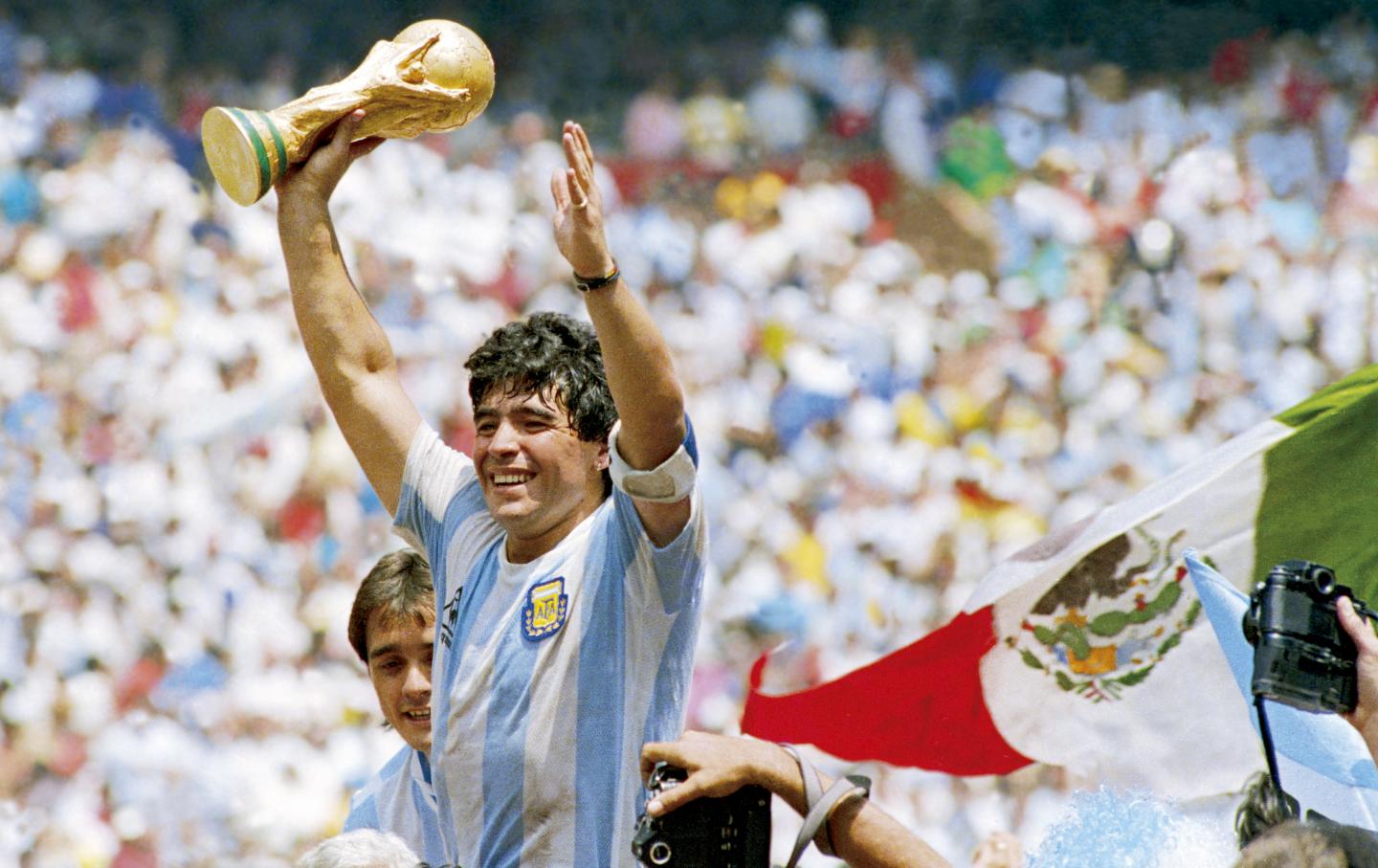
Argentine football operates on a continuous spectrum of genius, moving from the individualistic, chaotic brilliance of Diego Maradona in 1986 to the systematic, sustained dominance engineered by Lionel Messi two decades later. This evolution isn't merely a story of two players; it represents a transformation in how South America's most passionate football nation develops, nurtures, and eventually supports its generational icons on the global stage.
While Maradona carried an entire nation on his shoulders through raw willpower and extraordinary sorcery in Mexico, Messi's path required a different kind of evolution. He needed a modern tactical infrastructure, a shift in national team culture, and a supportive supporting cast to finally translate individual brilliance into ultimate team silverware at the 2022 World Cup. Examining this lineage reveals how Argentina bridged the gap between two very different eras of the sport.
The Foundations of Argentine Exceptionalism
The roots of Argentina's football identity stretch back to the early tactical innovations of César Luis Menotti and Carlos Bilardo. Menotti championed a romantic, expressive style that prioritized possession and aesthetic beauty, culminating in the 1978 World Cup triumph on home soil. Bilardo shifted the paradigm toward pragmatism, tactical rigidity, and psychological resilience, laying the groundwork for the structural framework that would house Maradona's unique gifts in 1986.
This tactical duality created a unique football culture. Argentina demands excellence, but it demands beauty paired with victory. Young players across Buenos Aires grow up playing potrero—an unstructured, street-style football that fosters supreme close-control, improvisation, and audacity. This environment birthed both Maradona and Messi, proving that while coaching styles evolve, the raw source of Argentine creativity remains deeply rooted in street-level ingenuity.
Diego Maradona: The Lone Messiah of 1986
Diego Maradona's campaign at the 1986 World Cup remains the ultimate example of a single player defining a global tournament. Operating in an era of heavy defensive tactics and lenient officiating towards physical fouls, Maradona scored five goals and provided five assists, taking direct responsibility for Argentina's offensive output.
- The Hand of God and the Goal of the Century: Against England in the quarterfinals, Maradona displayed both sides of his controversial, genius persona within minutes—scoring with his hand before embarking on a legendary sixty-yard slalom past five defenders.
- Carrying the Collective: Unlike later iterations of the national team, the 1986 squad was structured to absorb defensive pressure and feed Maradona. He was the undisputed focal point, captain, and spiritual leader.
Maradona's legacy set an almost impossible standard. Every subsequent Argentine superstar was immediately measured against his ability to win a World Cup single-handedly, creating a heavy psychological burden for generations of players who followed.
The Intermediary Years and the Pressure of Expectations
In the decades following 1986, Argentina produced wave after wave of extraordinary attacking talent—Gabriel Batistuta, Hernán Crespo, Juan Román Riquelme, and Pablo Aimar. Despite this embarrassment of riches, the senior national team suffered through a prolonged championship drought.
Why the Transition Stalled
- Tactical Instability: Frequent changes in coaching philosophies prevented long-term squad cohesion.
- Over-reliance on Individuals: The federation often looked for the next "new Maradona" rather than building a balanced collective system.
- Administrative Turmoil: Chronic instability within the Argentine Football Association (AFA) created constant friction off the pitch.
By the time Lionel Messi emerged through the youth ranks at Barcelona and debuted for the senior side in 2005, he inherited a team burdened by history and desperate for salvation.
Lionel Messi and the Modern Golden Generation
Lionel Messi's journey with Argentina spans nearly two decades, transforming from a prodigious teenager into the historic captain of the 2022 World Cup champions in Qatar. Unlike Maradona, whose peak was condensed into a blistering few weeks in 1986, Messi's evolution required longevity, reinvention, and immense psychological resilience after suffering agonizing defeats in three major finals (the 2014 World Cup and the 2015 and 2016 Copa América tournaments).
The Cultural Shift Under Scaloni
The turning point for Messi's generation arrived under manager Lionel Scaloni. Recognizing that past failures stemmed from tactical isolation and excessive pressure on Messi, Scaloni built a hardworking, cohesive unit specifically designed to maximize Messi's strengths while sharing the defensive load. Players like Rodrigo De Paul, Ángel Di María, and Emiliano Martínez formed a fierce brotherhood that protected their captain and shared the emotional weight of the shirt.
Read more about national team dynamics and historical milestones through the Argentine Football Association and insights provided by FIFA.
Common Mistakes When Analyzing Argentina's Football History
When football analysts compare different eras of Argentine football, certain errors frequently distort the narrative:
- Assuming 1986 Was Entirely a One-Man Show: While Maradona was magical, teammates like Jorge Burruchaga and Jorge Valdano played vital tactical roles that allowed Maradona to roam freely.
- Dismissing Messi's Early Years: Critics often overlook Messi's immense contributions prior to 2021, ignoring that he dragged subpar squads to three consecutive major tournament finals.
- Treating Potrero as a Formula: While street football builds skill, modern Argentine academies have professionalized youth development to match European tactical standards, blending raw flair with scientific conditioning.
Frequently Asked Questions
Did Diego Maradona and Lionel Messi ever play together?
No, they never played together in an official competitive match. However, Maradona coached Messi when he managed the Argentina national team during the 2010 FIFA World Cup in South Africa.
How did the playing style change between Maradona's era and Messi's era?
Maradona's era relied heavily on individual inspiration within a rigid defensive block, operating under 1980s physical rules. Messi's modern era emphasizes high-intensity pressing, rapid positional rotations, and collective defensive organization that frees Messi to orchestrate play from deeper creative zones.
Why did it take Messi so long to win a major trophy with Argentina?
Messi reached several finals early in his career, but squad imbalances, defensive vulnerabilities, and immense media pressure often crippled the team in high-stakes moments. It wasn't until a cultural and tactical reset under Lionel Scaloni that Argentina built a cohesive team around him.
What is the significance of the potrero style?
Potrero refers to Argentine playground or street football. It encourages unstructured improvisation, close ball control, and nutmegs, shaping the fearless attacking mentality seen in both Maradona and Messi.


.jpg)
