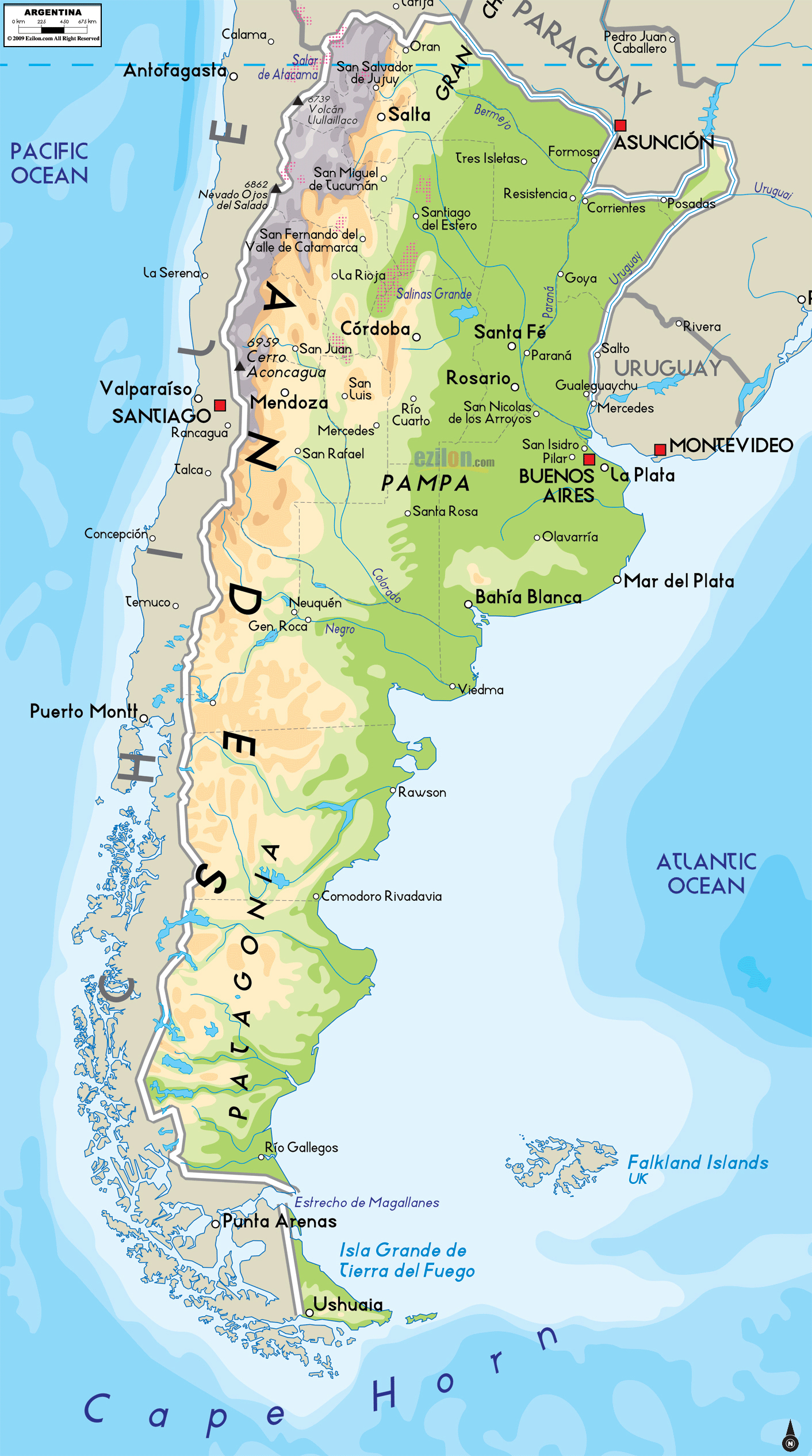
When people look at South America's geopolitical map, Argentina and Bolivia share a long border, but their historical and cultural relationship is often misunderstood. Beneath modern diplomatic ties lie decades of complex labor movements, colonial administrative divisions, and social friction. To understand how these two neighboring nations interact today, we have to look past simple neighborly goodwill and examine the structural roots of their relationship.
The relationship between Argentina and Bolivia is defined by an asymmetrical economic pull, deep-seated historical migrations, and recurring cultural friction rooted in class and ethnicity. While both countries originated from the same Spanish colonial administrative unit, their paths diverged dramatically after independence, creating a dynamic where economic disparity shapes everyday social tensions.
Colonial Roots and the Breakup of the Viceroyalty
Both modern Argentina and Bolivia trace their statehood back to the Spanish colonial entity known as the Viceroyalty of the Río de la Plata. Established in 1776 with its capital in Buenos Aires, this massive territory included modern Argentina, Uruguay, Paraguay, and parts of Bolivia—then referred to as Upper Peru.
During the colonial era, Upper Peru was the economic jewel of the region due to the silver mines of Potosí. Buenos Aires served primarily as the Atlantic port that shipped that wealth back to Spain. When independence movements swept South America in the early 19th century, this unified colonial structure shattered.
- Upper Peru fought a grueling war for independence before establishing the Republic of Bolivia in 1825.
- Buenos Aires and the surrounding provinces fractured into what became the Argentine Confederation.
- The administrative separation turned what was once domestic internal migration into international borders overnight.
The newly formed Argentine state focused heavily on European immigration in the late 19th and early 20th centuries, heavily branding itself as a white, Europeanized nation. Meanwhile, Bolivia retained a predominantly indigenous demographic majority. This divergence in state-building ideology planted the seeds for future cultural stereotypes and social hierarchies.
Economic Asymmetry and Labor Migration
The most persistent driver of tension between the two countries is economic inequality. Argentina historically offered higher wages, more industrialized urban centers, and broader social services than Bolivia. Because of this, Argentina became the primary destination for generations of Bolivian migrant workers.
Throughout the 20th and 21st centuries, hundreds of thousands of Bolivians crossed the border to work in Argentine agriculture, textile manufacturing, and construction. While these workers filled vital labor shortages in provinces like Buenos Aires, Mendoza, and Jujuy, their arrival frequently triggered xenophobic backlashes from local populations.
"Economic migration between neighboring South American states has historically tested local infrastructure, exposing underlying prejudices tied to race, class, and nationality."
Bolivian migrants often faced systemic discrimination, substandard living conditions, and exploitation in the informal labor market. In Argentine media and popular culture, derogatory tropes about Bolivian immigrants frequently surfaced during economic downturns, framing foreign workers as burdens on public health and employment systems.
Territorial Disputes and Geopolitical Rivalries
Although Argentina and Bolivia didn't fight catastrophic wars against each other on the scale of the War of the Pacific or the Chaco War, territorial friction did occur. The most notable early conflict was the Tarija War in the late 1830s, fought during the dissolution of the short-lived Peru-Bolivian Confederation.
The sovereignty of the Tarija department became a major flashpoint between the Argentine Confederation and Bolivian forces. While military engagements remained limited, border skirmishes left lingering diplomatic distrust.
In more recent decades, bilateral tensions shifted from border skirmishes to resource management. As a major exporter of natural gas, Bolivia spent years negotiating pipeline and pricing agreements with Argentina. Shifts in Argentine domestic energy production and political changes in both capitals regularly transformed these commercial negotiations into high-stakes diplomatic chess matches.
Cultural Exchange and Identity Friction
Cultural ties between Argentina and Bolivia are deep, yet they are marked by a complex hierarchy. Bolivian folk music, textiles, and culinary traditions became deeply embedded in northern Argentine culture, particularly in provinces like Salta and Jujuy.
However, this cultural integration hasn't always translated into social acceptance in major urban hubs like Buenos Aires.
- The Stigmatization of Indigeneity: Because Argentine national identity was historically constructed around European heritage, indigenous Bolivian cultural markers were often marginalized or treated as foreign.
- Festivals and Public Space: Annual cultural celebrations, such as the Bolivian Festividad de la Virgen de Urkupiña hosted in parts of Argentina, frequently spark local municipal friction over public space and cultural visibility.
- Media Representation: Mainstream Argentine media historically underrepresented or negatively stereotyped Bolivian communities, reinforcing social divides.
Despite these cultural friction points, grassroots solidarity remains strong. Activist networks, migrant unions, and binational community organizations continuously work to bridge the gap, pushing for labor rights and legal protections for seasonal and permanent residents.
Frequently Asked Questions
Why do Argentine and Bolivian cultures feel so different despite sharing a border?
The difference stems largely from 19th-century state-building policies. Argentina aggressively courted European immigration, shifting its demographic and cultural self-image toward the West. Bolivia maintained a strong, vibrant indigenous majority, preserving ancestral traditions that contrasted sharply with Buenos Aires's Eurocentric cultural model.
Are there legal protections for Bolivian migrant workers in Argentina?
Yes. Argentina's immigration framework, notably the 2004 Migration Law, recognizes migration as a human right and provides pathways to legal residency, access to public healthcare, and education for citizens of Mercosur nations, including Bolivia.
Did Argentina and Bolivia ever go to full-scale war?
No major total war ever occurred between the two independent nations. The closest historical conflict was the Tarija War in the late 1830s, which involved territorial disputes over the Tarija region during the Peru-Bolivian Confederation era, but it ended without a permanent alteration of the modern bilateral balance.
How does natural gas trade impact modern relations?
Natural gas has historically served as a critical pillar of economic interdependence. Bolivia's state energy reserves supplied Argentine households and industries for decades, though shifting production output and regional infrastructure changes continue to alter trade dynamics. You can read more about regional integration frameworks through the Organization of American States.



