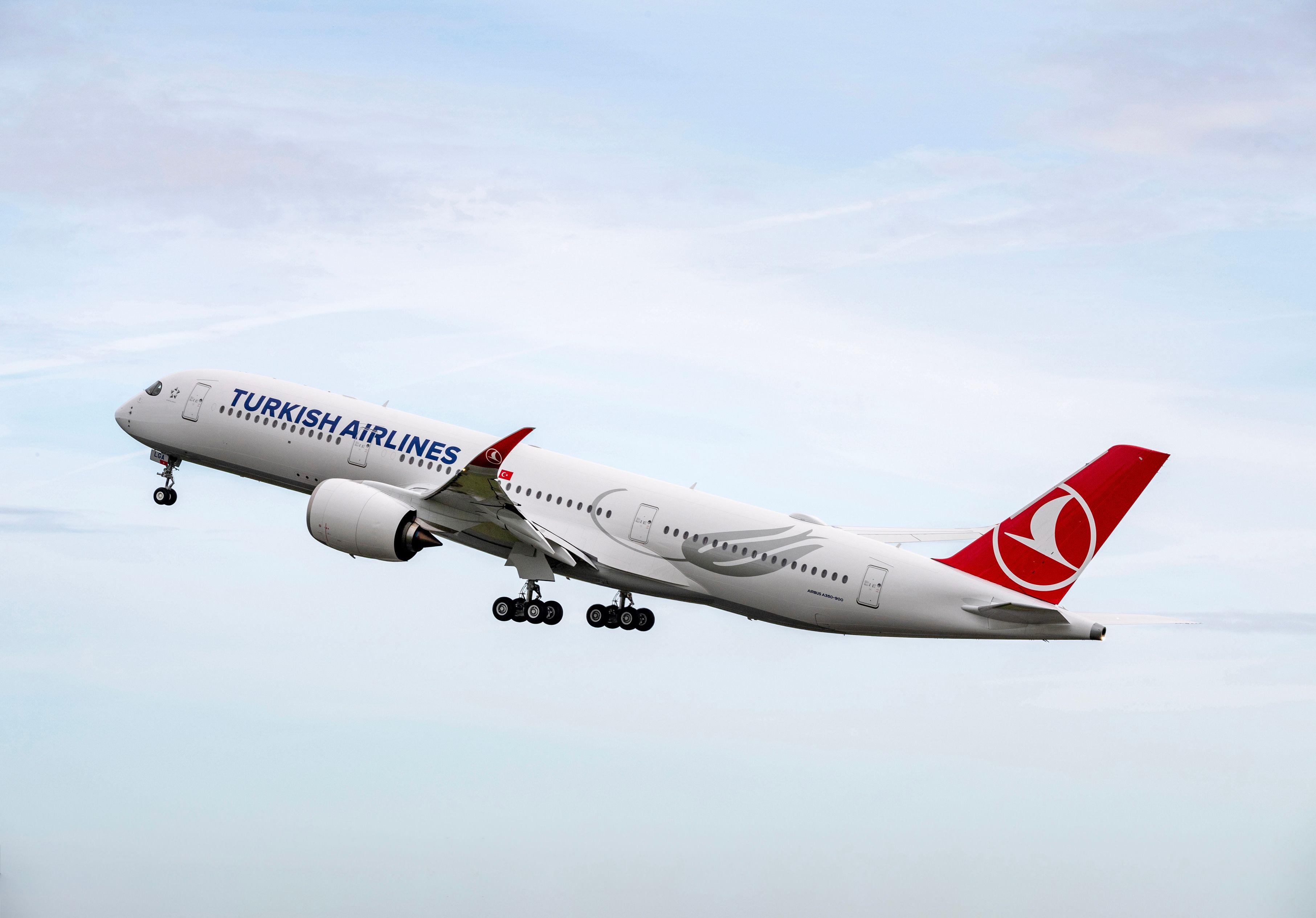
Turkish people aren't Arab. They belong to a distinct Turkic ethnic group with roots in Central Asia, a separate language family, and a unique history that diverged from the Arabian Peninsula long before the rise of the modern nation-state.
Geographic proximity and shared religious heritage often cause confusion, especially given centuries of Ottoman rule across the Middle East. Yet looking closely at linguistics, migration history, and cultural evolution reveals that Turkish and Arab identities are fundamentally different.
Historical Origins and Geographic Roots
The divergence between Turkish and Arab identities starts with geography and ancestral migration patterns.
Arabs are indigenous to the Arabian Peninsula, where their culture and language developed over millennia. Their history gained global reach with the 7th-century Islamic conquests, spreading Arabic language and culture across the Middle East and North Africa.
Turkish roots trace back much further north and east, originating among nomadic and semi-nomadic tribes in Central Asia, near the Altai Mountains. Between the 6th and 11th centuries, these groups migrated westward into Anatolia. There, they interacted with existing Byzantine and local populations, establishing major dynasties like the Seljuks and later the Ottoman Empire.
Linguistic Divergence: Turkic vs. Semitic
Language provides the clearest boundary between the two groups. They belong to completely separate language families with zero common ancestral roots.
Turkish is a Turkic language. It features agglutination—where suffixes are chained onto root words to alter meaning—vowel harmony, and a subject-object-verb word order. For centuries under the Ottomans, Turkish was written in a modified Perso-Arabic script. In 1928, as part of sweeping reforms by Mustafa Kemal Atatürk, Turkey shifted to a modified Latin alphabet.
Arabic belongs to the Afroasiatic family, specifically the Semitic branch. It relies on a root-based morphology (usually three-consonant roots) and is written from right to left.
While Ottoman Turkish absorbed a large volume of Arabic and Persian vocabulary due to religious and administrative interactions, its grammar and core structure remained steadfastly Turkic.
Cultural and Religious Overlaps
Shared religious traditions frequently blur the lines for outside observers. The vast majority of both Turks and Arabs practice Sunni Islam.
During the Ottoman era, administrative unity fostered widespread cultural exchange. However, daily customs, culinary traditions, and social norms diverged along distinct regional paths.
- Cuisine: Turkish cooking heavily features yogurt, grilled meats, olive oil dishes, and distinct pastries like baklava, alongside tea culture. Traditional Arab cuisines range widely from Levantine mezze (hummus, tabbouleh) to Gulf dishes like kabsa, reflecting local harvests and indigenous practices.
- Social Customs: Traditional architecture, hospitality rituals, and folk music draw from different historical reservoirs—Central Asian and Balkan elements in Turkey contrasted with Bedouin and regional Levantine or North African influences in the Arab world.
Modern National Frameworks
Today, political structures reinforce these distinctions.
Turkey operates as a secular republic with a national identity centered on Turkish language, heritage, and the legacy of its transition from empire to republic. It sits outside the Arab League.
The Arab world spans 22 distinct countries across the Middle East and North Africa. While these nations share linguistic and historical ties through the Arab League, each maintains its own independent government, laws, and localized national identity.
Frequently Asked Questions
Why do people think Turkish people are Arab?
Geographic proximity, shared Islamic faith, and centuries of Ottoman administration over Arab lands create the impression of a single cultural block. Additionally, Arabic loanwords in Turkish contribute to the misunderstanding.
Do Turkish people speak Arabic?
No. Standard Turkish is the official language of Turkey. While some citizens near the Syrian border speak Arabic due to regional minority populations, standard Turkish is entirely unintelligible to Arabic speakers.
Is Turkey part of the Arab world?
No. Turkey is not an Arab nation, nor is it a member of the Arab League. Its culture, language, and geopolitical orientation are distinct from the Arab states.
Are Kurds in Turkey Arab?
No. Kurds are an distinct ethnic group with their own Indo-European language (Kurdish) and cultural heritage, native to the mountainous regions of the Middle East, including southeastern Turkey, northern Iraq, northwestern Iran, and northern Syria.



