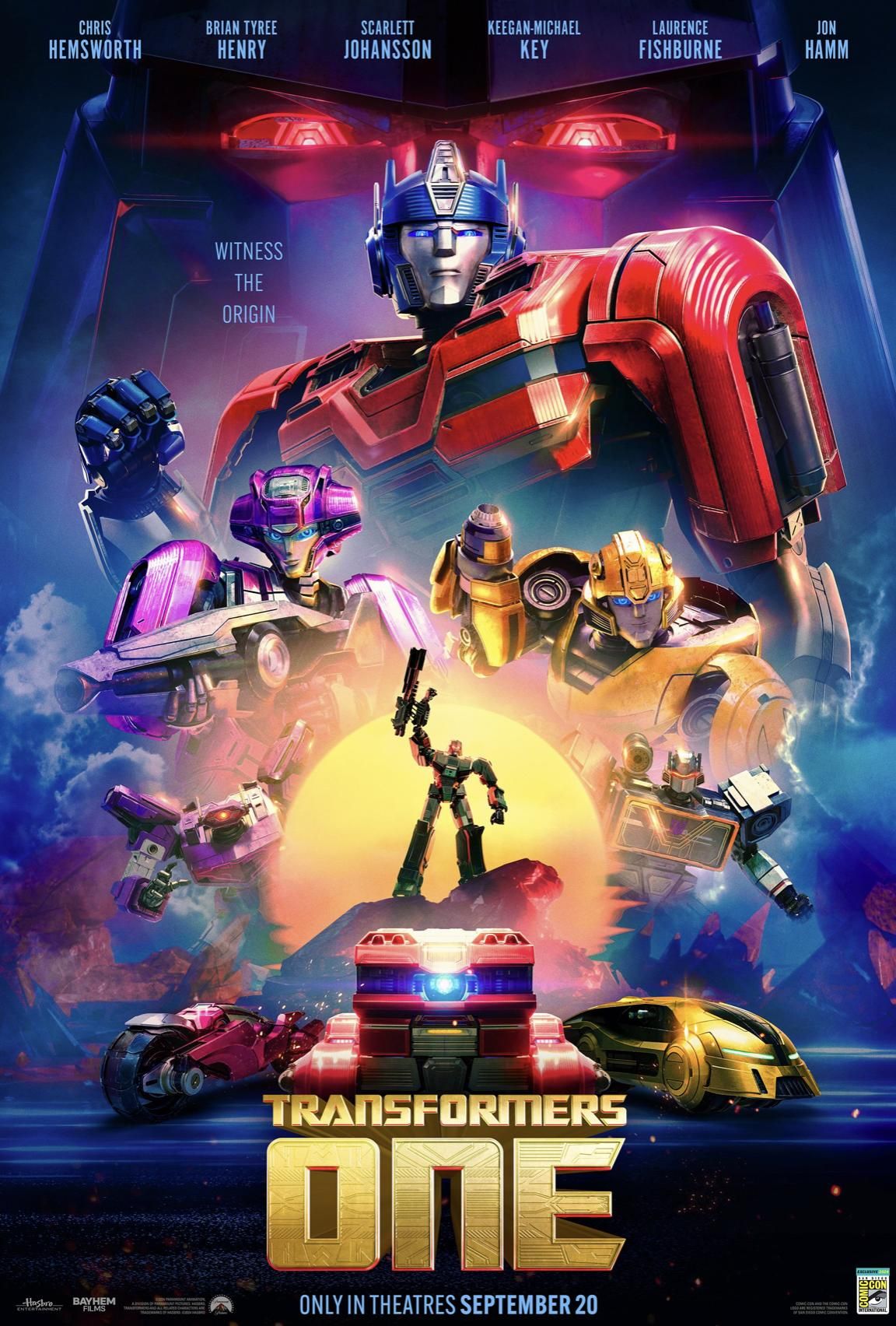
Are Transformers a good fit for 5-year-olds? Generally, yes, but only if you choose the right toy lines and supervise early play sessions. Most children at this age have the fine motor skills to enjoy basic action figures, but complex transforming toys will lead straight to frustration.
Five-year-olds sit right at a developmental turning point. They're moving away from chunky toddler toys and diving into imaginative play, storytelling, and rule-based games. Let's look at what you need to know before buying your first robot-in-disguise.
The Reality of 5-Year-Old Motor Skills and Toys
At age five, kids are mastering hand-eye coordination. They can snap blocks together, hold crayons with a proper grip, and use safety scissors. However, standard collector-grade Transformers feature intricate joints, tiny tabs, and multi-step folding mechanisms designed for older kids and adult collectors.
If you hand a complex figure to a five-year-old, it's going to snap. You'll spend your afternoon reattaching pop-off arms and listening to tears. That's why choosing the right sub-line matters more than the brand name itself. To explore the complete picture, we recommend the detailed report by The New York Times.
Best Transformer Toy Lines for Five-Year-Olds
Hasbro designs specific product lines tailored for younger hands. Skipping the complex collector items saves money and sanity.
Rescue Bots Academy
This line is the gold standard for preschoolers. The figures feature simple, one-step conversion mechanisms. A child can twist, flip, or push a single button to transform the robot into a fire truck, police cruiser, or dinosaur. They're durable, chunkier, and built to survive rough living room battles.
Cyberverse and EarthSpark 1-Step Changers
As kids progress, simple one-step or two-step changers from current animated series offer a bit more challenge without requiring adult assistance. They introduce classic characters like Optimus Prime and Bumblebee in kid-friendly proportions with zero sharp edges.
Developmental Pros and Cons
Toys aren't just for entertainment; they shape how young minds practice problem-solving and social interaction.
- Spatial reasoning: Figuring out how a vehicle turns into a bipedal robot helps children understand spatial relationships and part-to-whole concepts.
- Imaginative storytelling: Kids use these figures to act out rescue missions, teamwork, and heroic narratives, which builds early narrative skills.
- Frustration tolerance: When a toy doesn't transform easily, kids face a mild challenge. You'll need to step in so they learn persistence instead of giving up.
On the downside, some animated series and media tie-ins feature cartoon battle sequences that might be too intense for sensitive children. Keep an eye on screen time and check out guidelines from the American Academy of Pediatrics regarding media consumption for young kids.
Common Mistakes Parents Make
Buying toys for this age group comes with a few predictable pitfalls. Watch out for these traps:
- Buying collector editions: Never buy "Studio Series" or "Masterpiece" lines for a five-year-old. They contain fragile plastic parts meant for display shelves, not sandbox battles.
- Ignoring choking hazards: Always check packaging labels. Some figures include small weapons, blasters, or accessories that aren't safe for households with younger siblings.
- Assuming all bots are equal: A robot that requires a complicated instruction manual will quickly become your chore. Stick to figures rated for ages four to six.
You can also cross-reference toy safety standards directly through the U.S. Consumer Product Safety Commission to ensure any secondhand or imported items meet current safety guidelines.
Frequently Asked Questions
Are regular Transformers too hard for a 5-year-old?
Yes, mainline figures meant for older kids often require six to twenty steps to convert. A five-year-old will likely break the joints or get frustrated trying to force them.
Which Transformer series is best for beginners?
The Transformers: Rescue Bots line is specifically engineered for younger children, featuring sturdy plastics and one-step transformations.
Do these toys help with fine motor skills?
Yes. Manipulating limbs, twisting torsos, and pushing transformation buttons help strengthen hand muscles and improve bilateral coordination.
Should I worry about the cartoon violence?
Mainstream shows for this age group focus on teamwork and non-destructive problem-solving, but you should always preview episodes to match your child's sensitivity level.



