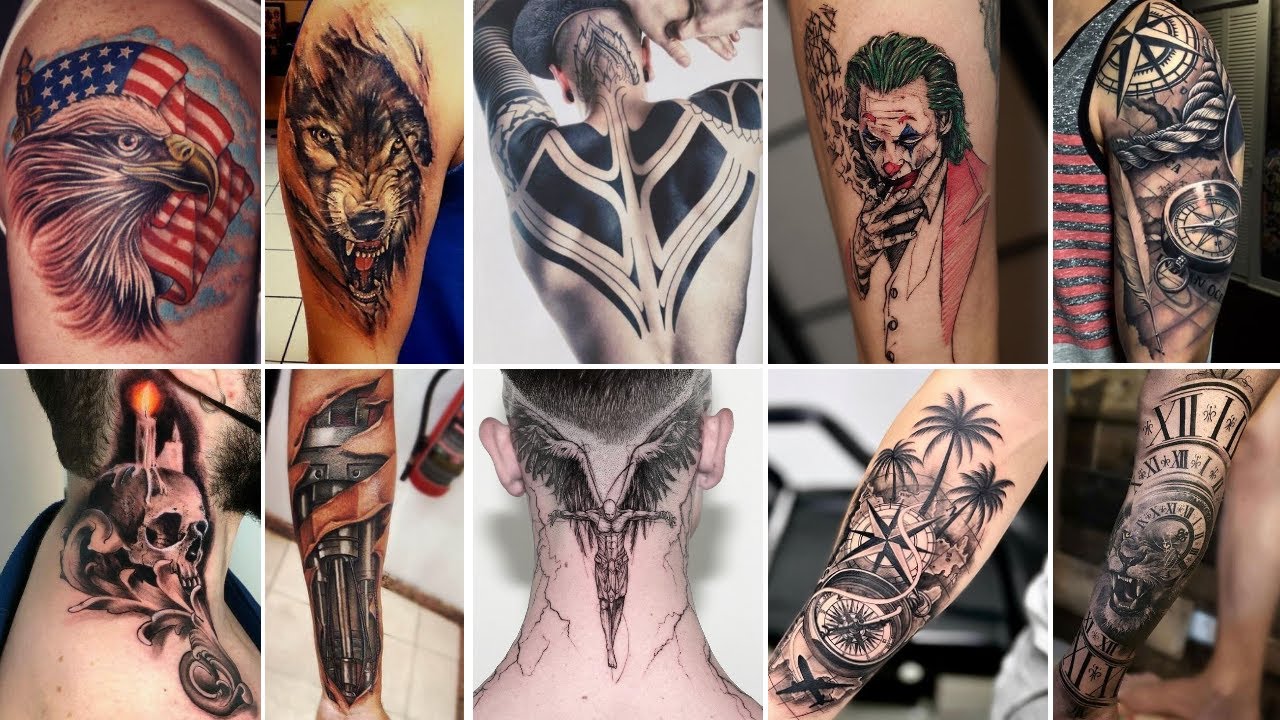
Are tattoos a sin? This question sits at the crossroads of ancient scripture, modern identity, and personal conscience. Millions of people wear body art for memory, art, and self-expression, yet religious believers often wonder whether ink violates spiritual law. The answer depends heavily on which tradition you examine, how texts are translated, and whether leaders emphasize outward rules or internal motives.
To understand why believers hold such diverse views, we have to look past simple yes-or-no answers. Different faith traditions interpret their sacred texts through centuries of commentary, cultural shifts, and changing views on the human body. Let's break down what major religious traditions say, where the famous verses come from, and how modern believers navigate the choice to get inked.
The Biblical Roots: What Leviticus 19:28 Actually Says
When people argue that tattoos are sinful, they almost always point to a single verse in the Hebrew Bible. Leviticus 19:28 states, in many English translations: "You shall not make any cuts on your body for the dead nor make any tattoo marks on yourselves: I am the Lord."
Taken at face value, this text looks like a direct prohibition. However, biblical scholars point out that context matters immensely.
Ancient Near Eastern cultures frequently practiced ritual scarification and body modification to mourn the dead or to show devotion to pagan deities. Archaeologists have found that surrounding nations marked their skin to signal allegiance to specific tribal gods.
When ancient Israelites received these laws, they were being called to distinctness from their neighbors. The prohibition against cutting and marking the skin was likely tied to pagan mourning rites and idolatrous worship, rather than modern aesthetic tattooing.
Despite this historical context, many conservative religious communities treat the verse as an enduring moral command. They argue that God's design for the human body is complete and that permanent alterations disrespect that creation.
Other scholars and rabbis argue that ritual laws from Leviticus must be understood through their original setting. They note that the Hebrew word used in the verse (qaqa) appears only once in the entire Bible, making its exact ancient meaning a subject of ongoing debate among translators.
Christian Perspectives: Grace, Temples, and Intent
Christianity approaches the topic through a complex lens, balancing Old Testament law with New Testament teachings on grace, freedom, and the heart.
Many Christians look to the New Testament for guidance on how to treat the body. A common reference is 1 Corinthians 6:19-20, which describes the human body as a temple of the Holy Spirit. Believers who oppose tattoos often use this passage, arguing that a temple should remain pristine and unmarked.
Conversely, other Christians interpret the temple metaphor differently. They suggest that honoring the body is about health, moral choices, and how you treat others, rather than avoiding needle ink. They point out that the Bible places far more emphasis on character, kindness, and love than on physical appearance.
Furthermore, many modern Christian denominations focus heavily on the motivation behind the ink. A tattoo chosen to honor a lost child, celebrate a spiritual milestone, or express deep faith carries a very different meaning than one chosen out of rebellion or malice.
Pastors and theologians increasingly emphasize personal conscience. According to the Christian Post, many contemporary church leaders encourage believers to examine their hearts: Why do you want this tattoo? Does it reflect your values? Will it cause division in your community? These questions shift the focus from a rigid rulebook to thoughtful stewardship.
Islamic Views: Modesty and Altering Creation
Islam addresses permanent body modification through the primary texts of the Quran and Hadith (recorded sayings and actions of the Prophet Muhammad).
Mainstream Islamic scholarship generally holds that permanent tattooing is haram (forbidden). This ruling relies on authentic hadiths in which the Prophet Muhammad explicitly condemned those who tattoo and those who have themselves tattooed.
The rationale behind this prohibition usually involves two main ideas:
- Altering Creation: Traditional scholars argue that changing the permanent physical form given by God interferes with the natural state (fitrah) of humanity.
- Deception and Pain: The process involves unnecessary pain and, in historical contexts, was sometimes associated with superstition or tribal identification.
Despite these traditional rulings, contemporary Islamic communities experience a range of practical approaches. In Western societies where tattoos are widespread, young Muslims frequently grapple with how to balance faith with cultural integration.
While religious authorities maintain the traditional prohibition, some modern scholars note distinctions between decorative tattoos and medical procedures. If a tattoo serves a reconstructive purpose—such as restoring an areola after breast cancer surgery or marking radiation beams—most jurists view it as permissible due to necessity and health benefits.
Judaism and Cultural Tradition: Burial Myths and Halakha
In Jewish law (Halakha), the prohibition found in Leviticus 19:28 applies strictly to traditional Jews. Traditional authorities view tattooing as a transgression of biblical law.
A persistent urban legend claims that anyone with a tattoo cannot be buried in a Jewish cemetery. Major rabbinic organizations have repeatedly debunked this myth.
Jewish burial societies (Chevra Kadisha) handle bodies with respect regardless of tattoos, piercings, or other physical modifications. While a traditional community may discourage getting a tattoo, Jewish law prioritizes human dignity and proper burial for every member of the community, inked or not.
For secular or progressive Jews, tattoos may hold entirely different meanings. Some descendants of Holocaust survivors have even tattooed their ancestors' concentration camp numbers onto their own skin as a profound act of remembrance and solidarity, transforming a symbol of oppression into a permanent mark of familial survival and identity.
Common Mistakes in the Religious Tattoo Debate
When people discuss whether tattoos are a sin, certain misconceptions often derail the conversation. Recognizing these errors helps foster more honest dialogue:
- Treating all ancient translations as modern equivalents: Assuming the Hebrew word qaqa meant a modern tattoo machine running ink into the dermis ignores thousands of years of technological and cultural evolution.
- Ignoring the rest of Leviticus: People who cite Leviticus 19:28 to condemn tattoos often ignore adjacent commands in the same chapter, such as prohibitions against mixing fabrics or trimming the edges of one's beard, highlighting an inconsistent application of ancient purity laws.
- Reducing faith to external appearance: Focusing solely on physical ink while ignoring matters of character, ethics, and love misses the core teachings of major world religions.
Frequently Asked Questions
Can someone with tattoos hold a leadership role in a church or mosque?
Policies vary widely by denomination and local community. Some conservative congregations have strict dress and appearance codes that exclude visible tattoos for clergy or lay leaders. Many other Christian churches, progressive faith groups, and non-denominational ministries welcome tattooed leaders, focusing on spiritual maturity and character rather than physical appearance.
Are temporary tattoos or henna considered sins?
Generally, no. Because temporary methods like henna, airbrushing, or stickers do not permanently alter the skin and can be easily washed away, most religious authorities view them as permissible forms of temporary adornment or cultural celebration.
How should a religious person approach getting a tattoo?
Believers who choose to get tattooed often recommend deep reflection. Consider the permanence of the art, the message the imagery communicates, and whether the design honors your personal values and relationships. Discussing the decision with supportive mentors or family members can also provide helpful perspective.
What if I already have tattoos from before I became religious?
Virtually all major faith traditions teach that past actions are covered by grace, repentance, or forgiveness. Having tattoos from your past does not disqualify you from active participation, spiritual growth, or leadership in modern religious communities.



