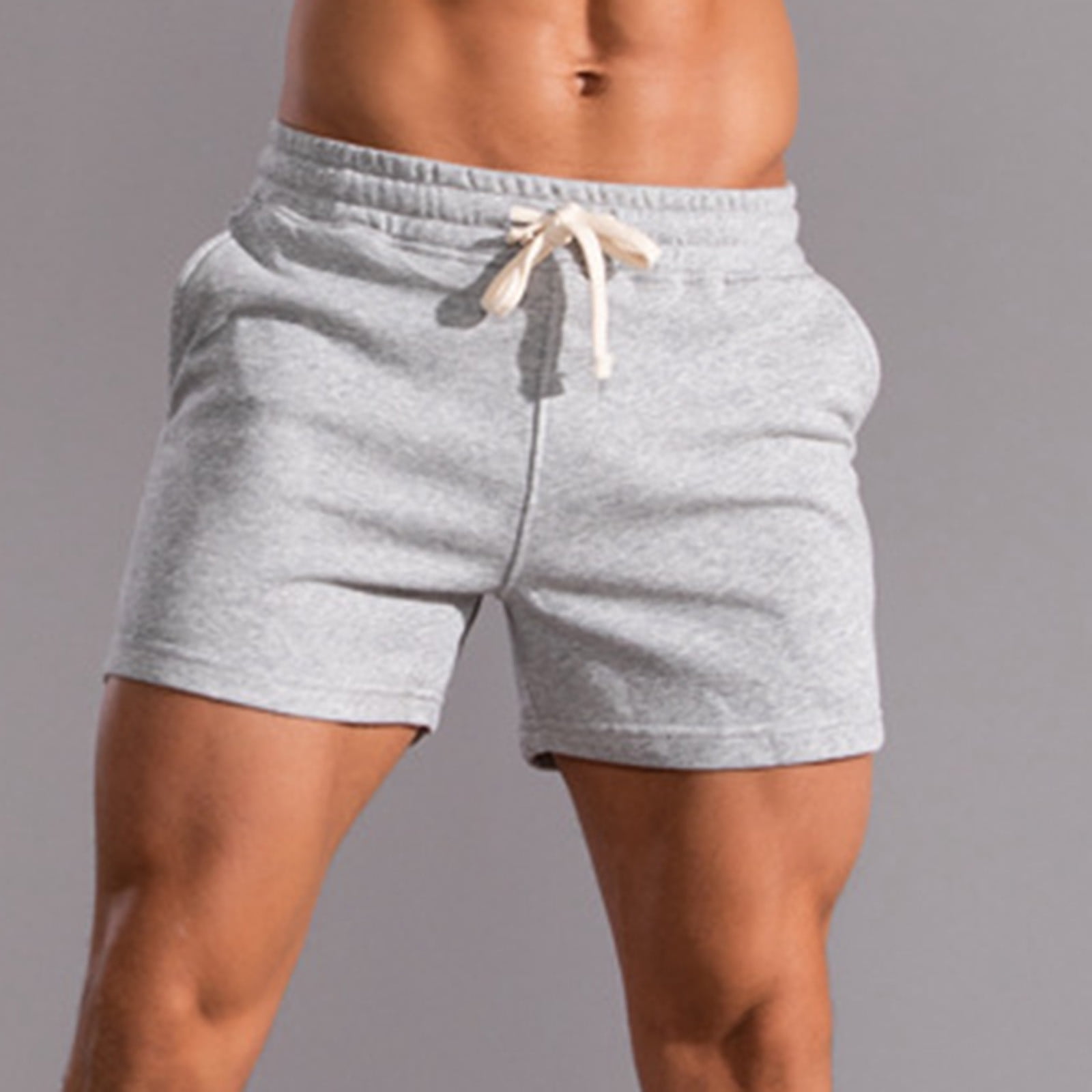
The debate over whether shorts qualify as pants is a perennial internet joke, but it exposes real questions about how we categorize clothing. Semantically, historically, and structurally, the answer depends entirely on whether you look at the garment through the lens of tailoring patterns or cultural geography.
Strictly speaking, shorts are a subset of trousers rather than a separate class of lower-body garments. They share the same foundational architecture—a waistband, dual leg cylinders, and a crotch seam—just truncated. Yet, our social conditioning treats them as fundamentally distinct, drawing firm lines between professional utility and leisure wear.
The Structural and Anatomical Case
To understand the classification, look at how trousers and shorts are manufactured. Pattern makers don't invent a new geometric framework when cutting shorts. They take a standard trouser block and shorten the inseam.
Both garments fulfill the same primary anatomical function: encasing the lower torso and individual legs while providing a secured waist. From a purely mechanical standpoint, shorts are simply pants with reduced fabric length.
Legal and institutional definitions often reinforce this structural overlap. When workplaces or schools enforce dress codes, prohibitions against "shorts" typically treat them as a subcategory of pants rather than an entirely different garment category like skirts or kilts. If shorts were legally or structurally a separate clothing class, regulations would group them differently.
Historical Evolution: From Undergarments to Outwear
The modern perception of shorts as casual or juvenile stems from their specific evolutionary timeline. For centuries in Western fashion, adult men exclusively wore long trousers or knee-covering breeches. Short pants were strictly reserved for young boys before their rite-of-passage transition into long trousers, a practice known as breeching.
By the late nineteenth and early twentieth centuries, colonial militaries and sporting cultures began adopting shortened trousers for practical climate control and athletic freedom. British troops in tropical regions cut down their uniforms to cope with extreme heat, giving rise to practical garments initially dubbed "shorts."
As sports like golf and tennis gained popularity in the 1920s and 1930s, male athletes adopted knee-length trousers for mobility. Over decades, cultural acceptance expanded from sports fields to beaches, and eventually to casual streetwear, though resistance in professional spaces remained firm.
Cultural Distinctions and Modern Workplace Politics
Even if shorts share a manufacturing pedigree with pants, culture treats them as an entirely different species. This division is rooted in formality, perception, and unspoken workplace rules.
Pants symbolize completion, seriousness, and structural protection against social exposure. Shorts, by contrast, signal leisure, youth, and informality. This is why corporate offices, upscale restaurants, and formal events routinely ban shorts while permitting full-length trousers made from the exact same linen or wool fabrics.
- Fabric weight and tailoring: A pair of pleated, cuffed Bermuda shorts made from heavy wool looks entirely different from athletic mesh shorts, yet both often face the same blanket ban in formal environments.
- The gendered divide: While women's fashion embraced shorts across various lengths much earlier in the twentieth century, men's corporate wear remains rigidly anchored to long trousers, viewing exposed shins as inherently unprofessional.
- The tech and creative shift: Modern remote-hybrid work cultures and tech startups have softened these boundaries, occasionally accepting tailored, knee-length shorts during peak summer months.
Practical Implications for Your Wardrobe
Navigating whether shorts are acceptable boils down to understanding contextual dress codes rather than winning a semantic debate. If you're heading to a construction site, a court of law, or a board meeting, treating shorts as distinct from pants will keep you out of trouble.
For everyday travel, outdoor recreation, and warm-weather socializing, the technical distinction doesn't matter. Shorts serve as an essential tool for thermal regulation and comfort. Recognizing that they are structurally pants helps explain their fit and tailoring, while acknowledging their casual status keeps your social choices aligned with modern expectations.
Frequently Asked Questions
Are shorts considered pants in legal dress codes?
Most institutional dress codes define shorts separately from trousers for restriction purposes, even though they share a structural pattern. Rules usually single out shorts to prohibit them in specific professional or academic settings.
When did adults start wearing shorts publicly?
Adult men began wearing shorts outside of athletics and military service primarily after World War II, driven by suburban leisure culture, resort travel, and rising summer temperatures.
Do skirts and kilts share any classification with shorts?
No. Skirts and kilts are unbifurcated garments that wrap around the lower body without separate leg enclosures, placing them in an entirely different structural category from both pants and shorts.
Can tailored shorts ever replace pants in formal settings?
In very specific regional or creative micro-cultures, yes—such as traditional business attire in Bermuda. However, in standard global corporate environments, long trousers remain mandatory regardless of fabric quality or tailoring.



