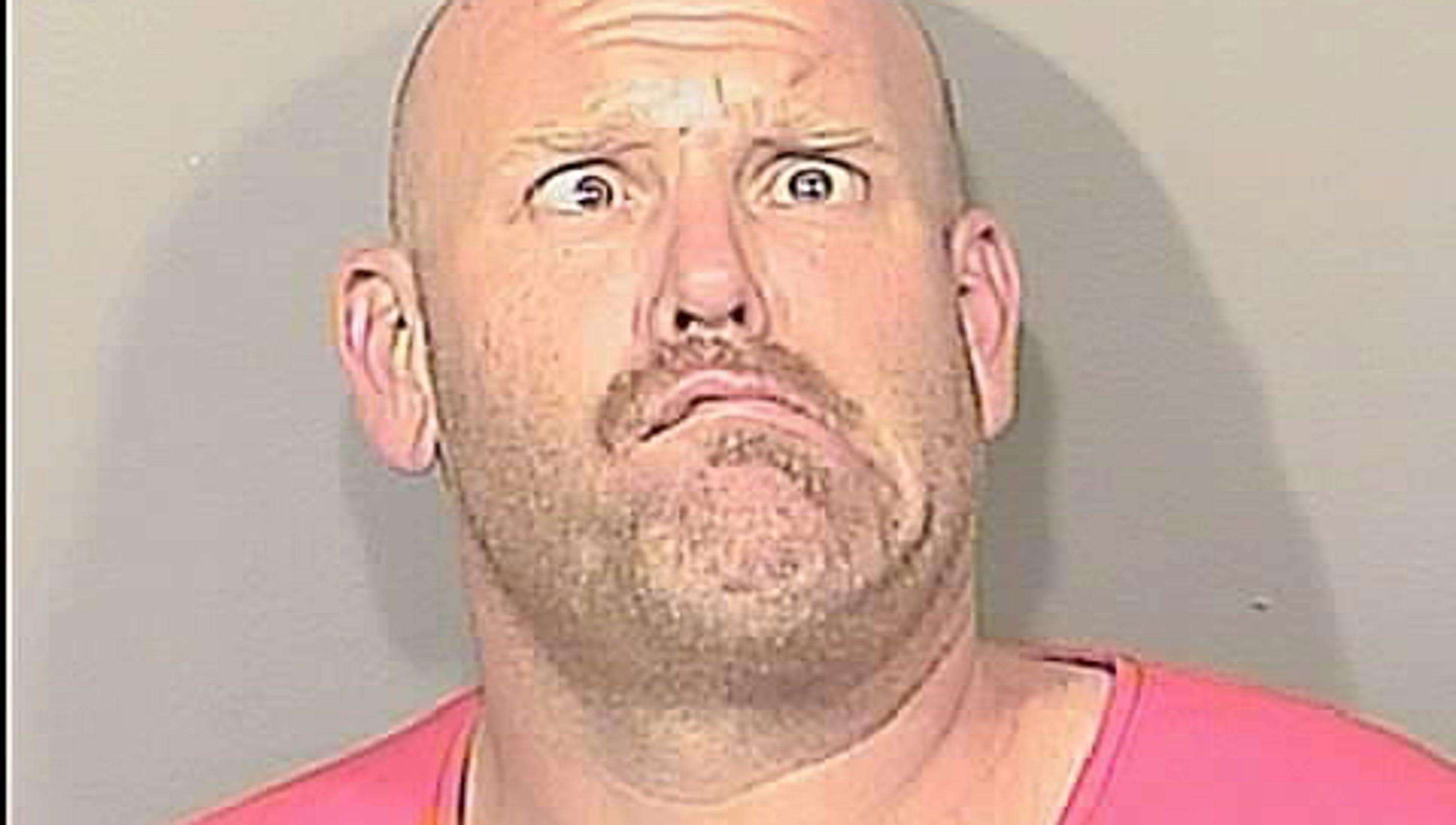
Are mugshots public record? Yes, booking photos taken by law enforcement are generally classified as government records under the Freedom of Information Act and state-level public records laws. While these images originate from official police business to ensure government transparency, their widespread availability online creates permanent reputational damage, even for individuals whose charges are dropped or dismissed.
The digital age transformed physical police blotters into searchable internet assets. Commercial publishing sites scrape arrest logs, pair them with mugshots, and exploit search engines to display these images at the top of results. Understanding how these records enter the public domain, the legal frameworks governing them, and your options for removal is essential for protecting your digital footprint.
The Legal Basis of Booking Photos
Under federal and state open records statutes, documents produced by public agencies belong to the public. Police departments and county jails generate booking records during the intake process, which includes recording personal details, fingerprints, and photographs.
- Government Transparency: Public records laws were created to prevent secret arrests and hold law enforcement accountable.
- Arrest vs. Conviction: An arrest is an allegation, not a conviction. Legally, you're innocent until proven guilty in a court of law.
- Visual Records: Because booking photos are captured by public employees using public equipment, courts historically categorized them as administrative public documents.
Despite this classification, the intent behind open government laws never anticipated automated web scrapers copying booking logs within minutes of an arrest.
How Mugshot Sites Profit From Arrests
Commercial mugshot aggregators operate by harvesting daily jail logs from police databases. They publish these images on high-ranking domains designed to manipulate search engines.
When someone searches your name, these pages often appear before your professional profiles or social media accounts. The business model relies heavily on extortion. Operators charge exorbitant fees to remove photos, sometimes demanding hundreds or thousands of dollars while failing to guarantee permanent deletion from mirror sites.
This practice distorts the foundational purpose of public records. Instead of ensuring government accountability, public access becomes a commodity used to penalize people before they ever see a judge.
State-Level Regulations and Restrictions
Because laws vary significantly by state, your rights regarding booking photos depend entirely on where the arrest occurred. States have begun pushing back against predatory publishing practices through specific statutes.
- California: Under state law, local law enforcement agencies can't post booking photos of non-violent offenders on social media unless specific flight risk or public safety criteria are met. Furthermore, courts can seal records upon dismissal or acquittal.
- Texas: Texas law prohibits commercial mugshot sites from charging fees to remove booking photos. Violators face steep daily fines for every day an image remains online after a removal request.
- Florida: Florida public records laws remain broad, but recent legislative pushes attempt to restrict how third-party sites use booking images for commercial extortion.
Review your state's specific guidelines through the Digital Media Law Project to understand local protections.
Practical Steps to Remove Your Mugshot Online
If your booking photo appears online, acting quickly limits its visibility. You don't have to accept permanent digital damage.
- Verify Case Disposed Status: Obtain official court documentation proving your charges were dismissed, dropped, or that you were acquitted. Websites are far more likely to comply or face legal penalties when you present a clean disposition.
- File Formal Removal Requests: Check individual mugshot websites for their specific takedown policies. Submit required documentation, including your booking number, charge details, and proof of dismissal.
- Target Search Engines: Once a site removes or de-indexes the photo, submit outdated content removal requests directly to search engines like Google Search Help to accelerate the disappearance of cached links.
- Build Positive Content: Dilute negative search results by creating robust, professional online profiles on LinkedIn, personal portfolio sites, and active social media accounts.
Common Mistakes When Dealing With Booking Photos
People often make critical errors when trying to scrub their images from the internet. Avoiding these pitfalls saves time and prevents further exposure.
- Paying Extortion Fees: Never pay unverified third-party websites to remove your photo. Doing so validates their business model and rarely guarantees the image won't reappear elsewhere.
- Ignoring Mirror Sites: Removing an image from one domain doesn't clear it from syndication networks. Check multiple search engine result pages for duplicate listings.
- Posting Defenses Online: Avoid publishing emotional rants, blog posts, or social media arguments about the arrest. These platforms often rank well, inadvertently boosting the visibility of your arrest story.
Frequently Asked Questions
Can police departments refuse to release mugshots?
Yes. Many law enforcement agencies exercise discretion regarding releasing booking photos to the media or public. Federal agencies, including the Department of Justice, adopted policies limiting the routine release of mugshots to protect unconvicted individuals' privacy.
Does an expungement automatically remove mugshots from the internet?
Legally, an expungement seals or destroys official court and police records. However, third-party commercial sites that scraped the data before expungement may not automatically update their databases. You must submit separate takedown requests with court orders attached.
Are mugshots considered copyrighted material?
No. Because booking photos are created by government employees acting within their official capacity, they generally fall into the public domain. This prevents law enforcement or individuals from claiming copyright ownership to block republication.
What should I do if a website refuses to take down my photo?
Consult an attorney specializing in internet defamation or digital reputation management. Many states authorize civil lawsuits against commercial operators who refuse legitimate removal requests for dismissed or expunged charges.


