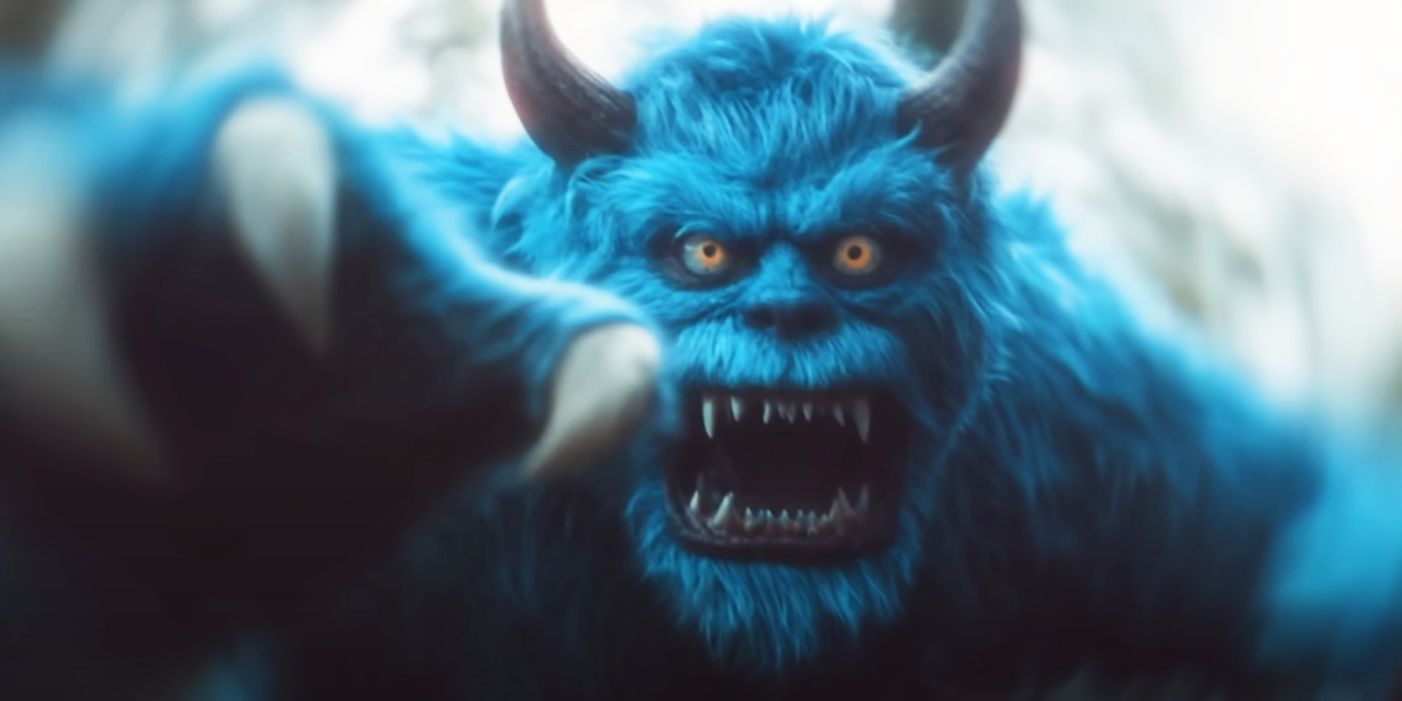
Are monsters real? Biologically speaking, physical fire-breathing dragons or shape-shifting beasts don't exist. Yet, the fear they provoke is entirely genuine. Our minds generate these creatures to make sense of real dangers, deep-seated anxieties, and the unknown edges of our environment.
Physical reality leaves no room for mythical legends. Modern ecology dictates that top-tier predators require massive, sustainable prey populations and extensive habitat ranges to survive without human detection. The lack of verifiable fossil records, DNA, or skeletal remains confirms that cryptids and legendary beasts don't exist as biological entities. Even so, the human brain treats these cultural constructs as real threats, activating identical neurological survival pathways when we encounter scary stories or dark environments.
The Evolutionary Roots of Fear
Our ancestors survived prehistoric wildernesses by assuming that rustling grass meant a predator was lurking. This hyper-vigilant trait, known in evolutionary psychology as error management theory, favored false positives over fatal misses. It's safer to mistake a shadow for a predator than to mistake a predator for a shadow.
When humans look at ambiguous shapes in the dark, the brain's pattern-recognition system kicks into overdrive. This tendency is called pareidolia. It's the same mechanism that lets us see faces in clouds or animals in star constellations.
- The Amygdala's Role: The amygdala processes emotional stimuli and triggers the fight-or-flight response before the rational cortex can analyze the visual data.
- Predictive Processing: The brain constantly predicts what will happen next based on sensory input. Darkness removes data, forcing the brain to fill gaps with worst-case scenarios.
Why Cultures Invented Monsters
Every human society throughout history has populated its folklore with unique entities. These creations served practical social functions long before modern legal systems or public safety campaigns existed.
Monsters acted as behavioral deterrents. European folklore features water spirits like the kelpie to keep children away from dangerous, fast-moving rivers. Similarly, indigenous traditions often utilized moral guardians to teach respect for fragile ecosystems and winter survival limits.
Anthropologists note that monsters also externalize collective anxieties. During periods of plague, industrial disruption, or war, cultural narratives shift to produce threats that mirror those exact societal collapses. The monster gives a concrete face to abstract, uncontrollable crises.
The Psychology of Modern Cryptids
Cryptids like Bigfoot or the Loch Ness Monster persist despite zero credible physical evidence. People keep searching because the human mind craves mystery in an increasingly mapped and predictable world.
When eyewitnesses report unusual encounters, psychology points to sleep paralysis, pareidolia, and social contagion. Sleep paralysis occurs between wakefulness and REM sleep, frequently causing vivid, terrifying hallucinations accompanied by a heavy pressure on the chest—the classic origin of night hag legends.
Furthermore, social reinforcement amplifies these sightings. Once a community adopts a specific legend, subsequent ambiguous sightings get interpreted through that pre-existing cultural lens. You can read more about how psychological phenomena shape perception through research by the American Psychological Association.
Frequently Asked Questions
Why do humans enjoy being scared by monster movies?
Controlled fear triggers an adrenaline and dopamine release in a safe environment. Because your rational brain knows you're secure in a theater or on your couch, you can experience the thrill of the threat response without actual danger.
Do children genuinely believe monsters are real?
Yes. Children's cognitive development relies heavily on imagination, and they haven't yet mastered the boundary between internal fantasy and external reality. Their developing brains process abstract fears, like separation anxiety, by pinning them onto concrete physical symbols like a creature under the bed.
Can a belief in monsters cause physical symptoms?
Anxiety rooted in imagined threats causes real physiological reactions, including elevated heart rates, spikes in cortisol, and insomnia. The body reacts to psychological stress identically whether the perceived danger is a physical beast or an internal worry. Learn more about stress physiology through the National Institutes of Health.
Why do monster myths share similar traits across different continents?
Common human vulnerabilities explain these cross-cultural parallels. Across every continent, humans face the dark, large predators, and the unexplained mystery of death. Because our sensory apparatus and evolutionary history are shared, our imaginative responses to those fundamental vulnerabilities follow similar structural patterns.



