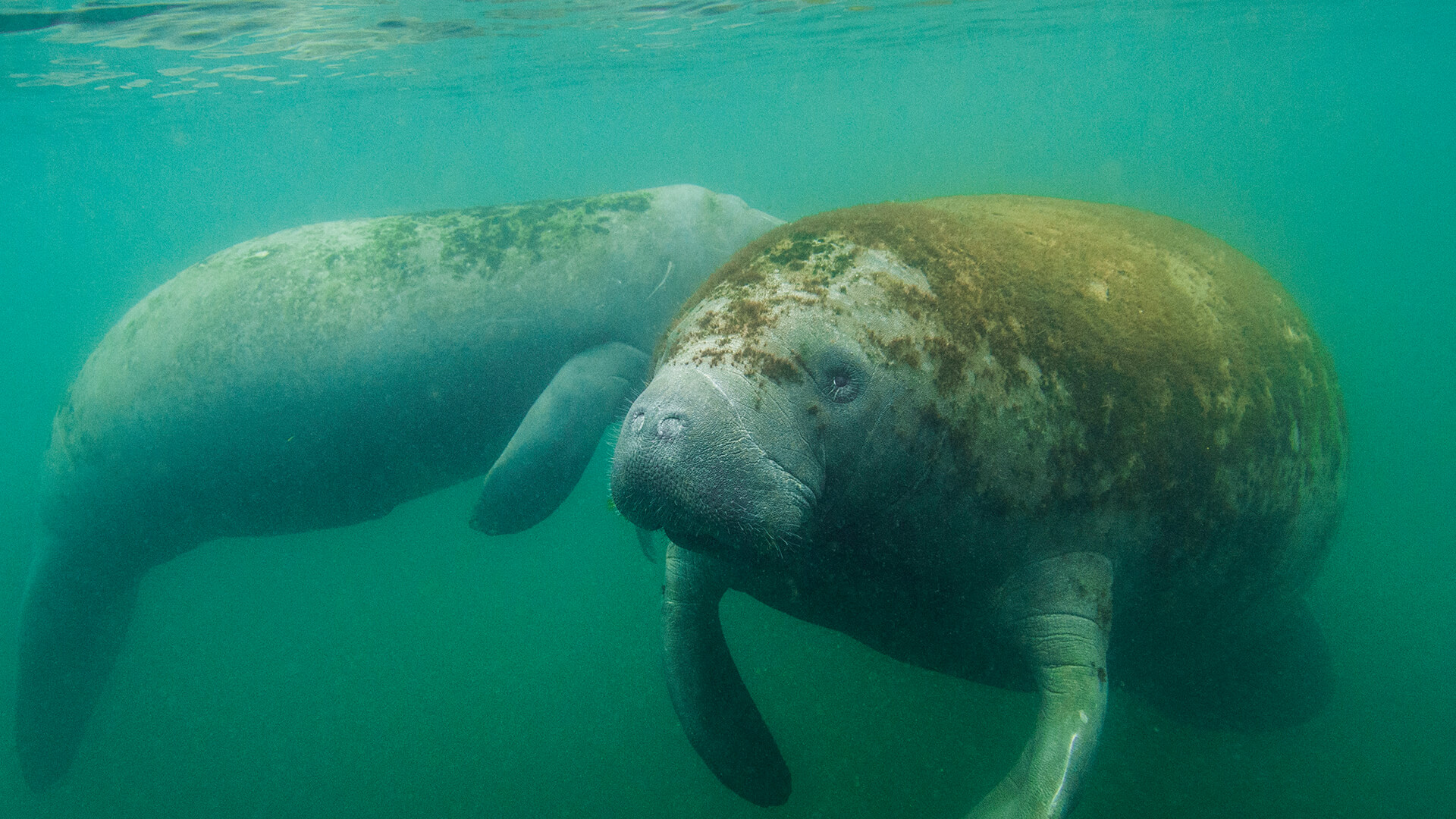
Are manatees dangerous? No, manatees are entirely non-aggressive herbivores that pose no physical threat to humans. Popularly known as sea cows, these large marine mammals lack teeth designed for tearing flesh, do not possess territorial instincts, and have no history of predatory behavior. While their massive size can startle swimmers or kayakers who stumble upon them unexpectedly, they are peaceful grazers. The real danger runs in reverse: human activities, particularly boat strikes and habitat disruption, represent the primary threat to manatee survival.
Sharing the water with these creatures requires understanding their actual temperament, legal protections, and how to behave responsibly around them. This guide separates common myths from reality to help you safely navigate encounters in the wild.
Understanding Manatee Temperament and Anatomy
To evaluate whether an animal poses a risk, look at its biology and daily habits. Manatees spend most of their time grazing on seagrass, resting in warm springs, or slowly migrating along coastal waterways. They move at a leisurely pace, typically cruising between three and five miles per hour.
- Dietary Habits: Manatees are strict herbivores. Their flat, molar-like teeth grind down tough aquatic plants rather than cutting or tearing meat.
- Lack of Aggression: They don't have natural territory to defend, nor do they form complex dominance hierarchies. When startled by a boat or a swimmer, their default reaction is to swim away rather than fight back.
- Physical Defense: They possess no natural weapons, claws, or sharp teeth. Their bodies consist largely of dense bone and thick, pliable skin that feels similar to a giant, waterlogged cushion if an accidental bump occurs.
Common Misconceptions in the Water
Because manatees can grow up to 10 feet long and weigh over 1,000 pounds, their sheer bulk often intimidates people. This size disparity gives rise to several persistent myths.
Myth: Manatees Attack When Cornered
Unlike territorial marine wildlife such as seals or alligators, manatees do not launch defensive strikes when approached. The only recorded instances of potential injury involve humans getting too close to a mating herd. A mating herd consists of multiple males pursuing a single female in shallow water, creating a chaotic churning of water. A swimmer who inserts themselves into this cluster risks being crushed or knocked underwater purely by accident due to the animals' massive combined weight—not out of malice.
Myth: Manatees Are Tame Pets That Want Interaction
Manatees often display natural curiosity. They may glide close to snorkelers, paddleboards, or kayaks to investigate. People frequently mistake this inquisitive nature for domestic friendliness, assuming the animals want to be petted, fed, or hugged. Treating wild marine mammals like friendly dogs alters their natural behavior, leading them to approach motorized boats where they face severe injury.
Legal Realities: Why Touching Manatees Is Prohibited
While manatees won't hurt you, you can easily hurt or stress them. In the United States, manatees are heavily protected under federal legislation like the Marine Mammal Protection Act and the Endangered Species Act, alongside strict state laws in places like Florida.
It is illegal to touch, chase, ride, poke, feed, or intentionally harass a manatee. Wildlife enforcement officers take these rules seriously because human interference disrupts essential behaviors. Offering fresh water from a hose or feeding lettuce teaches manatees to congregate near docks and canals, drastically raising their risk of propeller strikes and cold stress.
Safe Practices for Swimmers and Paddlers
If you encounter manatees while kayaking, paddleboarding, or snorkeling, follow these guidelines to keep both yourself and the animals safe:
- Practice Passive Observation: Watch quietly from a respectful distance without making sudden movements or loud noises.
- Never Block Travel Paths: Allow manatees free movement through channels, springs, and narrow waterways.
- Keep Your Hands to Yourself: Do not reach out to pet, touch, or hold a manatee, even if the animal swims directly underneath you.
- Stow the Water Hose: Never offer drinking water or food from boats or docks.
- Control Watercraft Speed: Obey all posted idle-speed and slow-speed zones when operating boats or personal watercraft.
Frequently Asked Questions
Can a manatee bite a human?
No. Manatees do not bite humans. Their tooth structure and herbivorous diet mean they have no biological inclination or capability to bite people. Furthermore, their molars continuously replace themselves and wear down from eating sandy seagrass.
What should you do if a manatee approaches your kayak?
Simply stay calm and enjoy the view. Do not paddle away aggressively or try to push the animal away with your paddle. Most of the time, the manatee will satisfy its curiosity within a few moments and swim off on its own.
Are manatees dangerous to dogs or pets in the water?
No. Manatees ignore domestic pets entirely. However, letting dogs swim near wild manatees is discouraged because an excited dog can harass the marine mammal, violating wildlife protection laws and stressing the animal.
How fast can a manatee move if it gets scared?
While they usually drift slowly, manatees can reach short burst speeds of up to 20 miles per hour if startled. Because they accelerate quickly from a resting position, boaters must maintain constant vigilance in shallow coastal zones.



