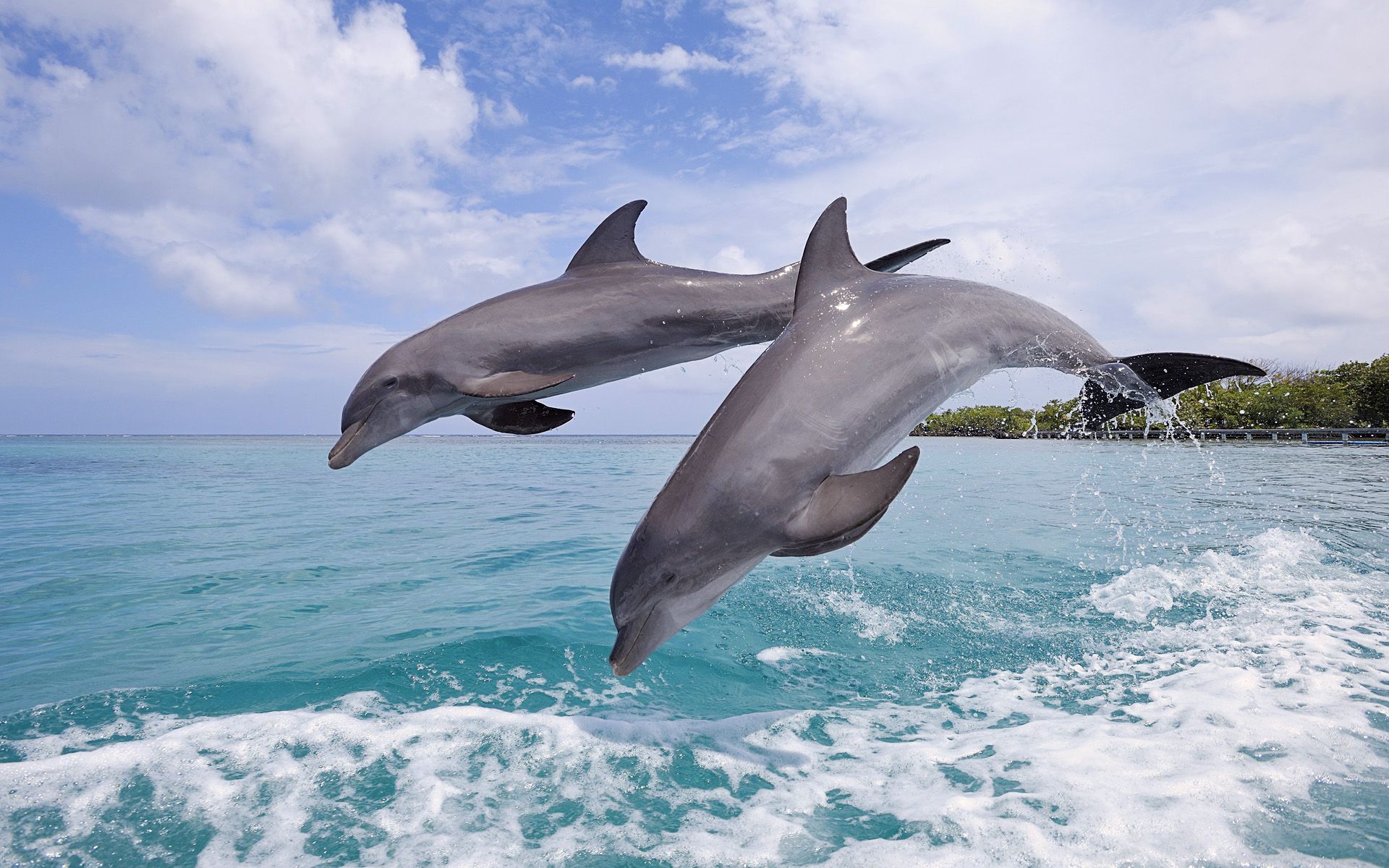
When people picture ocean dangers, a classic cinematic villain usually comes to mind. We've been conditioned to fear the razor-sharp teeth and vacant eyes of sharks. Meanwhile, pop culture paints dolphins as smiling, playful guardians of the sea who love escorting swimmers. The reality inside marine ecosystems shatters this simplistic cartoon binary.
Are dolphins more dangerous than sharks? No, sharks hold the record for far more unprovoked, fatal attacks on humans. Yet dolphins aren't harmless plush toys either. They're large, highly intelligent apex predators equipped with heavy muscle, strong jaws, and unpredictable tempers. Looking past public myths reveals how both animals actually interact with humans and each other.
Shark Threat Realities and Attack Statistics
Sharks trigger visceral fear for a reason. They're built exclusively for efficient predation, featuring rows of serrated teeth, specialized sensory organs, and millions of years of evolutionary refinement.
Global databases like the International Shark Attack File track unprovoked bites annually. While unprovoked encounters grab global headlines, they remain statistically rare. Most shark species ignore humans entirely, treating swimmers like uninteresting debris.
When bites do happen, they're typically exploratory or defensive. A shark might mistake a splashing human silhouette for a seal. Unfortunately, due to their powerful bite force, even a single exploratory nip can cause catastrophic tissue damage or blood loss.
The Hidden Aggression of Wild Dolphins
Dolphins enjoy a pristine public relations image, but marine biologists know them as complex, territorial, and occasionally violent animals. They possess massive brains, complex social structures, and immense physical strength.
Bottlenose dolphins can grow up to 12 feet long and weigh over 1,000 pounds. While they don't view humans as regular menu items, they're entirely capable of inflicting severe harm. Wild dolphins have bitten swimmers, charged snorkelers, and aggressively harassed beachgoers who get too close to their pods or calves.
Unlike sharks, which usually bite and swim away, aggressive dolphins can ram humans with their muscular rostrums (snouts), causing broken bones, internal bleeding, and drowning. Captive environments and habituated wild populations—where humans feed them illegally—lead to dangerous boundary erosion. When dolphins lose their natural fear of people, interactions frequently turn hostile.
Head-to-Head: How They Treat Each Other
The dynamic between these two animals in the wild surprises many beachgoers. People assume sharks rule the water unchallenged, but dolphins often hold their ground or go on the offensive.
Dolphins travel in pods, using cooperative teamwork and sheer numbers to deter predators. When threatened by smaller shark species like tiger or bronze whalers, a pod won't hesitate to fight back. They use their hard snouts as battering rams, slamming into a shark's soft underbelly or gill slits to cause serious internal trauma.
However, this dynamic flips when solitary dolphins or vulnerable calves cross paths with apex predators like large great whites. A lone dolphin in deep water remains an easy target for a hungry shark. Mutual respect usually keeps them out of each other's way unless food or territory forces a confrontation.
Common Mistakes Around Marine Wildlife
People lower their guard around marine mammals because of cultural conditioning, leading to dangerous behavioral mistakes.
- Swimming too close to calves: Mother dolphins fiercely protect their young. Approaching a baby dolphin invites an immediate, aggressive charge from the mother or the entire pod.
- Feeding wild animals: Hand-feeding dolphins changes their natural behavior. It teaches them to associate humans with easy meals, which turns aggressive when food isn't provided.
- Ignoring body language: Swimmers often ignore warning signs like tail slaps, jaw snapping, or rapid circling. Both sharks and dolphins use these signals to say they're stressed or defensive.
- Touching or riding: Grabbing a dorsal fin or trying to swim alongside wild cetaceans stresses the animal. A startled marine mammal can easily drag a swimmer underwater.
Frequently Asked Questions
Have dolphins ever killed a human?
Yes, though fatal wild dolphin attacks are exceptionally rare. Most recorded human fatalities involving dolphins have occurred in captivity with stressed animals, or via rare aggressive interactions with swimmers and surfers in open water.
Why do dolphins sometimes bully sharks?
Dolphins are fiercely protective of their pods and territory. They view certain sharks as natural competitors or threats to their calves, so a group of dolphins will proactively harass and drive away a shark to secure their safe space.
Are shark attacks increasing globally?
According to the Florida Museum of Natural History, total unprovoked shark bite numbers fluctuate yearly based on human population growth and coastal recreation trends, but the annual risk of a fatal attack remains extremely low.
How should you react if you encounter a shark or dolphin?
Remain calm and avoid frantic splashing, which mimics injured prey. Back away slowly and steadily without turning your back completely, giving the animal plenty of open space to swim away.



