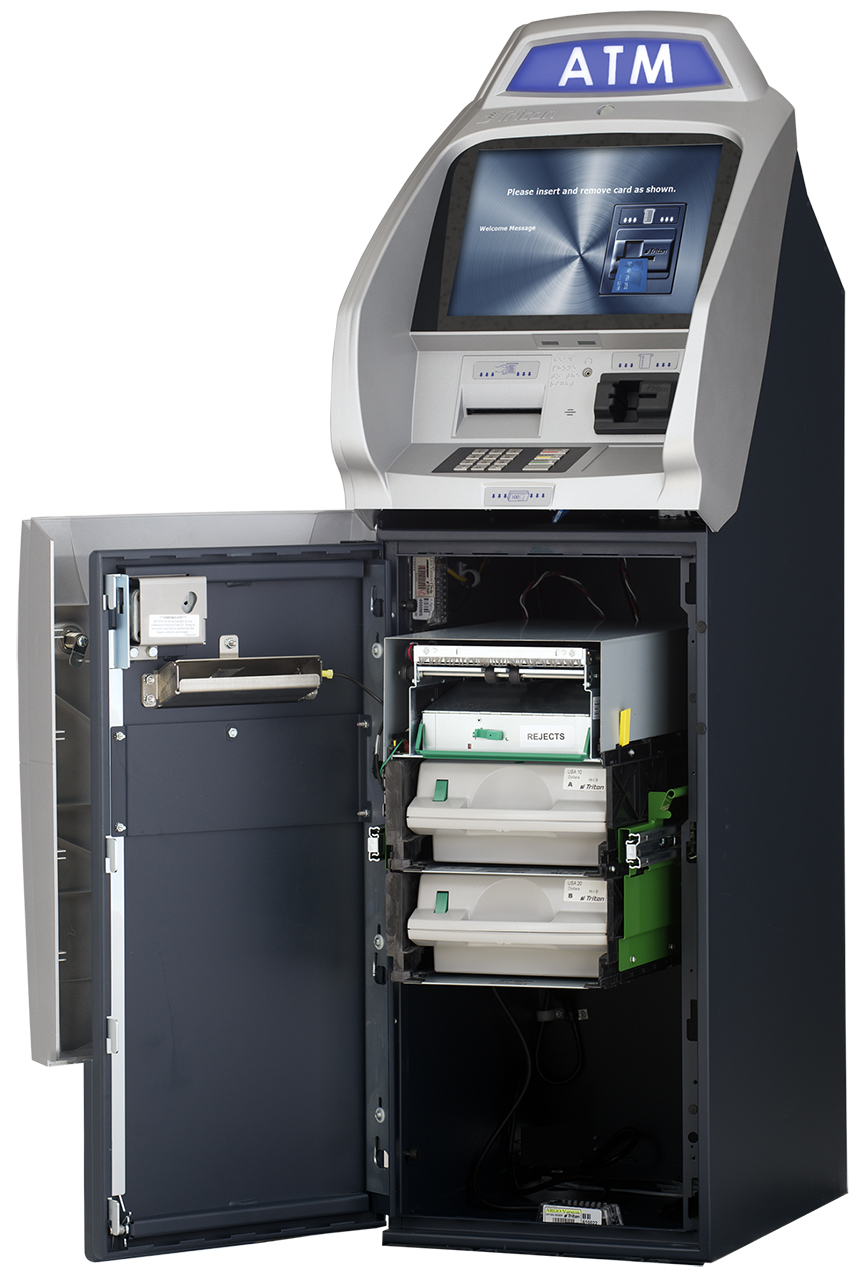
Not all bank ATMs are open 24 hours a day, despite what many people assume. While outdoor walk-up machines and drive-thru units often run around the clock, interior lobby ATMs and units located inside brick-and-mortar branches usually lock up when the bank closes. Access depends entirely on where the machine is housed, local security policies, and technical reliability.
Understanding how banking infrastructure handles after-hours access helps you avoid getting locked out when you need cash the most. Machine placements vary widely, and knowing which locations stay accessible through the night saves you wasted trips.
Indoor Versus Outdoor ATM Placement
The physical location of a cash machine dictates whether you can reach it at midnight. Bank branches typically utilize two main placement types for their proprietary automated teller machines.
Outdoor walk-up machines and drive-thru lanes are built into the exterior wall of a building. These units feature weather-resistant housings and security cameras, designed to operate continuously regardless of whether the branch staff is inside.
Interior lobby machines sit behind the main glass doors of the bank branch. When the branch closes for the evening or on weekends, the main doors lock. Unless the bank provides a secure card-reader vestibule, you won't be able to reach these machines until business hours resume.
How After-Hours Vestibules Work
Many modern bank branches feature a small, enclosed entryway known as an ATM vestibule. These spaces house one or more machines while keeping the rest of the branch closed off.
To enter these areas after hours, you usually have to swipe or tap your debit card or credit card at a magnetic card reader next to the exterior door. This security measure unlocks the door electronically, letting customers inside while keeping non-customers and potential loiterers outside.
- Card Reader Access: You must slide or tap a valid payment card through the exterior panel.
- Security Locks: The door relocks automatically behind you once the magnetic latch engages.
- Camera Monitoring: Vestibules feature continuous video recording and emergency intercoms linked to security centers.
Even with card-reader doors, some banks turn off vestibule access completely between specific late-night hours—such as midnight and 5:00 AM—in areas with high rates of vandalism or theft.
Technical Reliability and Network Downtime
Physical access doesn't guarantee a successful transaction. An ATM can be sitting right in front of you in an open vestibule, yet remain entirely unusable due to technical failures.
Banks rely on continuous communication lines to process withdrawals, check balances, and clear deposits. If a branch loses its internet or dedicated phone line connection, the machine goes offline immediately. Furthermore, machines run out of cash during high-demand weekends or holidays. When cash cassettes empty, the software disables dispensing functions until armored couriers arrive to restock the hardware.
Software updates and routine maintenance also cause temporary downtime. Financial institutions often schedule backend system reboots during off-peak overnight hours, rendering individual machines unresponsive for brief windows.
Security Realities and Fraud Risks
Using an ATM outside of normal business hours introduces different risk factors. Exterior machines face higher rates of physical tampering, including card skimmers designed to capture magnetic strip data and personal identification numbers.
Indoor branch vestibules generally offer a safer environment because they are enclosed, well-lit, and monitored by security hardware. However, choosing poorly lit standalone outdoor terminals late at night increases vulnerability.
You can protect your accounts by inspecting the card insertion slot before use, covering the keypad while typing your PIN, and avoiding machines that show signs of loose plastics or structural damage. For further safety guidance, review the Consumer Financial Protection Bureau resources on banking security.
Frequently Asked Questions
Can I make cash deposits after hours at a bank ATM?
Yes, many modern deposit-automation ATMs accept cash and checks 24/7. However, funds deposited outside regular business hours or on holidays may not clear or reflect in your available balance until the next banking day.
Do independent ATMs charge higher fees than bank ATMs?
Independent machines located in convenience stores or gas stations often charge higher convenience fees and do not offer advanced account services. Using your own bank's network usually minimizes or eliminates surcharges.
What should I do if an ATM keeps my card?
First, check if the machine's screen displays an error message or reboot sequence. If your card remains trapped, contact your bank immediately to freeze the account and order a replacement. If the machine is attached to an open branch during business hours, notify a teller inside right away.
Are drive-thru ATMs safer than walk-up ATMs?
Drive-thru ATMs allow you to complete transactions from the security of your vehicle, which many users find preferable late at night. They reduce pedestrian vulnerability, though you should still remain aware of your surroundings before rolling down your window. You can learn more about account safety standards at the Federal Deposit Insurance Corporation.