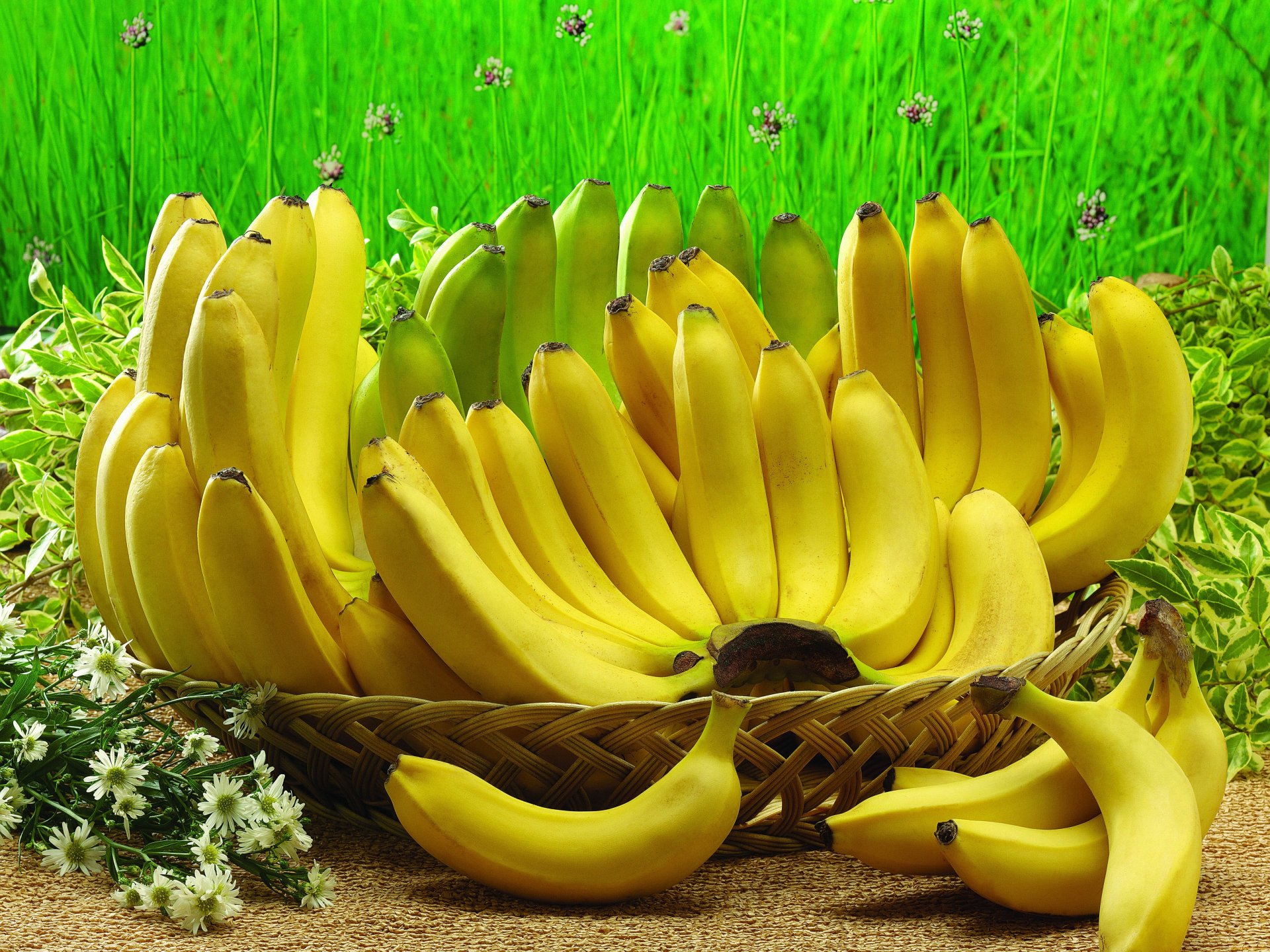
Are bananas berries? Yes, botanically speaking, a banana is a true berry, while standard grocery-store strawberries and raspberries aren't. This classification often surprises people because everyday culinary definitions focus on taste and size rather than plant anatomy.
In botany, fruit categories rely entirely on how a flower develops into a seed-bearing structure. Understanding these structural rules reveals why your morning fruit salad completely ignores scientific definitions in favor of kitchen convenience.
Botanical definition of a berry
To understand why a banana earns the title, you need to look at how botanists define a berry. According to the Royal Botanic Gardens, Kew, a true berry is a fleshy fruit that develops from a single ovary and typically contains multiple seeds.
A botanical berry consists of three distinct layers: Related coverage on this trend has been shared by BBC.
- Exocarp: The outer skin or rind, which is the yellow peel on a banana.
- Mesocarp: The fleshy, edible middle layer that you actually eat.
- Endocarp: The innermost layer surrounding the seeds, which in a banana forms the soft pulp holding tiny, undeveloped ovules.
Unlike drupes—such as peaches or cherries—which have a hard, stony pit protecting a single seed, berries lack a hard endocarp. The seeds are dispersed directly throughout the soft flesh of the fruit.
Why the banana fits the scientific rule
A banana checks every single box on the botanical berry checklist. It develops from a single flower with a single, tri-carpellary ovary. As the flower matures, the ovary walls soften to create the thick, pulpy pericarp we recognize as the fruit.
Wild bananas look very different from the commercial Cavendish varieties you buy today. They are packed with large, hard seeds that make them nearly impossible to eat comfortably.
Modern edible bananas are the result of centuries of selective breeding. Farmers cultivated mutant plants featuring parthenocarpy, a process where the plant produces fruit without fertilization. This genetic shift means the fruit grows without seeds, but its internal anatomy remains identical to its seed-heavy ancestors.
- Single ovary origin: The banana flower's single ovary swells and ripens into an elongated shape.
- Fleshy pericarp: The three fruit layers develop into soft, edible tissue instead of a dry pod or woody shell.
- Embedded seeds: Wild relatives show seeds distributed through the pulp rather than concentrated in a pit.
Why common berries aren't berries at all
If bananas are berries, you might wonder why popular fruits carrying the word in their name fail the botanical test. Botany doesn't care about common names, and several everyday favorites belong to entirely different structural families.
Strawberries are aggregate accessory fruits
A strawberry isn't a berry, nor is it even a true single fruit. The red, fleshy part you eat is actually the swollen receptacle of the plant—the tissue that connects the flower stem to the base of the flower.
The tiny specks dotting the outside of a strawberry are the actual fruits, known as achenes. Each tiny achene contains a single seed and develops from a separate pistil on the same flower.
Raspberries and blackberries are aggregate drupes
Raspberries, blackberries, and dewberries are aggregate fruits. Each berry you see in a clamshell is actually a cluster of tiny individual fruits called drupelets.
Every single drupelet contains a miniature stone pit protecting a single seed, much like a tiny peach. Because they possess stony endocarps, they are classified as mini-drupes rather than true berries.
Tomatoes and avocados are berries
By contrast, many items you treat as vegetables or kitchen staples are true botanical berries. Tomatoes, avocados, waterpamelons, and eggplants all develop from a single ovary with seeds embedded in fleshy pulp.
The Library of Congress Science Reference Services highlights that tomatoes meet all strict botanical criteria, making them true berries just like bananas and grapes.
Common misconceptions about fruit classification
The gap between culinary terms and scientific categories causes plenty of confusion. People often assume that any small, sweet, soft-skinned fruit growing on a bush or tree must be a berry.
Another common mix-up involves citrus fruits. Oranges, lemons, and limes belong to a specialized sub-category of berry called a hesperidium. They have thick, leathery rinds and segmented interiors filled with juice vesicles, but they still originate from a superior ovary, keeping them tied to the broader berry family.
- Size doesn't matter: Botanical definitions ignore physical size, which is why a massive watermelon qualifies as a berry while a tiny blackberry does not.
- Woody plants versus herbs: Bananas don't grow on trees; they grow on massive herbaceous perennials. The plant stem is actually tightly packed leaf sheaths, yet it still produces a classic berry.
- Human intervention: Domestication changes appearance, but it doesn't rewrite basic plant morphology or historical evolutionary lineages.
Frequently asked questions
Do wild bananas have seeds?
Yes, wild bananas contain dozens of large, hard, black seeds that occupy most of the interior space. You can barely eat the fruit around them, which is why ancient humans and wild animals primarily ate them for the outer pulp or spread them through seed dispersal.
Why are store-bought bananas seedless?
Commercial bananas are sterile triploids, meaning they have three sets of chromosomes instead of two. This genetic quirk prevents seeds from forming properly, leaving only tiny, dark specks down the center of the fruit.
Are pumpkins considered berries?
Yes, botanical classification groups pumpkins, squashes, and cucumbers into a specific type of berry called a pepo. They feature a hard outer rind and a fleshy interior filled with numerous flat seeds.
Who decides these botanical definitions?
Plant taxonomists and botanists establish these structural rules to accurately categorize plant species based on evolutionary history, flower anatomy, and reproductive systems rather than culinary uses.



